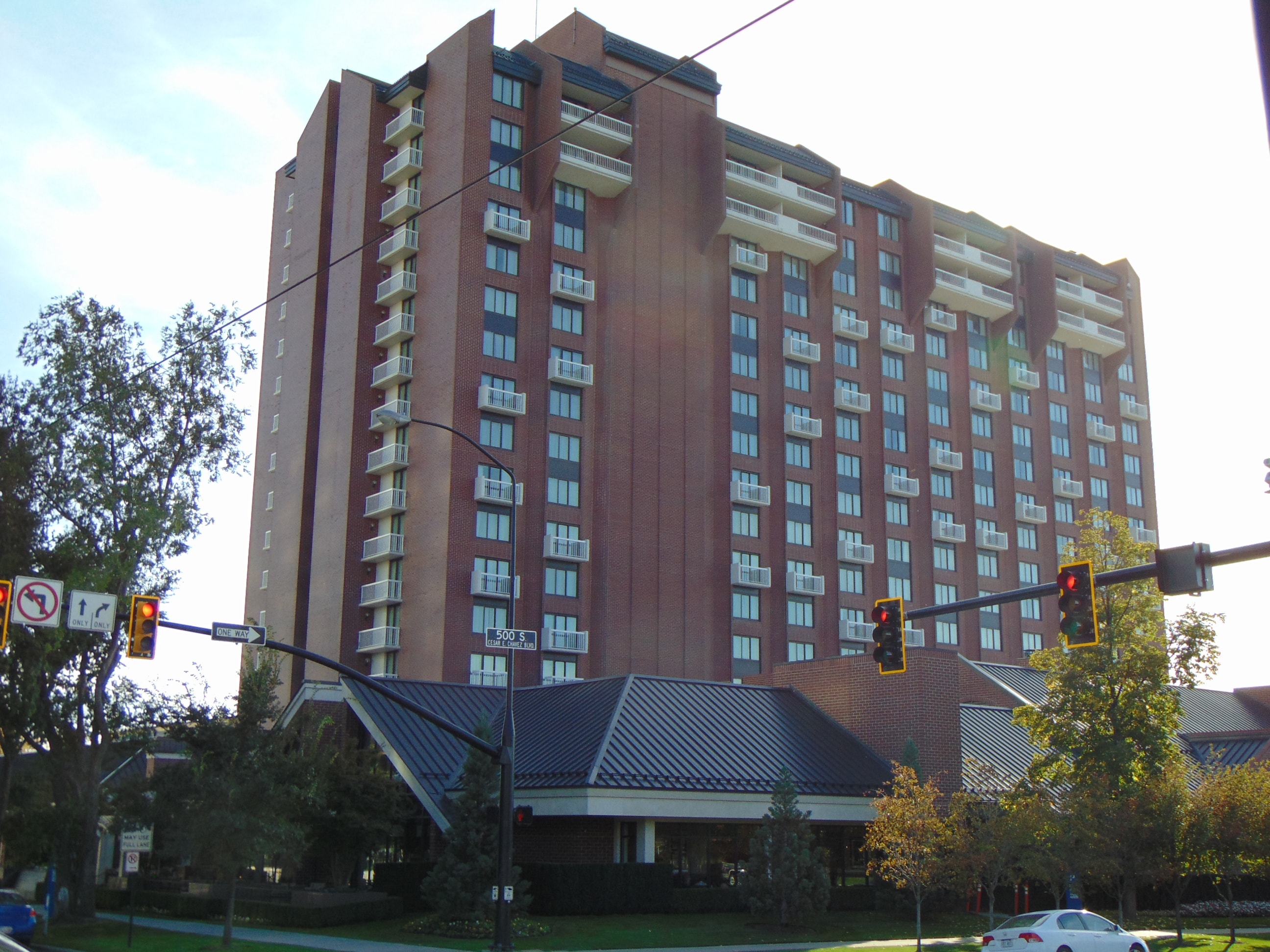
A first impression of Salt Lake City

For travelers, the appeal is in that mix. You can spend a morning in a botanical garden carved into the hillside, an afternoon walking between restaurants and galleries downtown, and an evening watching the mountains catch the last of the light. It is a compact, walkable capital with a culture rooted in Mormon pioneer heritage and a contemporary food and spirits scene that rewards a little exploring on foot.
Getting around
Once you're in town, the TRAX light rail system makes travel around Salt Lake City and the wider Wasatch Front simple. The same network of light rail and UTA buses that links the airport also connects downtown, the University of Utah area, and many of the neighborhoods visitors actually want to spend time in. For most trip types, a TRAX day pass or a reloadable fare card is enough to cover airport transfers, mid-day sightseeing, and a dinner out, with the option to mix in rideshare for late nights or the few corners the rail doesn't reach.
Attractions and planning
Salt Lake City's sightseeing naturally falls into two moods: heritage and high desert horticulture. The city's Mormon pioneer heritage runs through downtown, where institutional landmarks and historic streets tell the story of the settlers who shaped the valley. The Church of Jesus Christ of Latter-day Saints hosts a General Conference at the Conference Center in downtown Salt Lake City twice a year, a weekend event that draws large crowds and gives the city a distinct, busy rhythm on those dates.
For a change of pace, Red Butte Garden tucks neatly into the foothills of Salt Lake City, with outdoor garden rooms that bend with the seasons and a concert series in the warmer months. It's the kind of place where you arrive for an hour and quietly stay for three, walking uphill through themed beds before settling onto a bench with a view back toward the valley. A second anchor sits in Emigration Canyon, just 15 minutes from downtown Salt Lake City and right across the street from This Is The Place Heritage Park, a spot designed for experiencing Utah's pioneer history. Together, these foothill stops pair the city's story with its landscape, and they are easy to combine into a single unhurried day.
A practical note: visiting during General Conference weekend means a livelier downtown, fuller hotels, and a different energy around the Conference Center. It is a memorable time to be in the city for those who plan around it, and a reason to book early if your dates overlap.
Food and local context
Salt Lake City has a lively culture committed to distinguished food and spirits, and the city's compact layout makes that scene very approachable. And contrary to the popular belief that the city requires a car to explore its food, much of this culture can be reached on foot, which is one of the underrated pleasures of visiting.
The Salt Lake City Food Walking Tour is built around that idea, weaving together stops that show how the city's dining scene has grown beyond its pioneer-era foundations. Expect a mix of long-standing Utah institutions and newer kitchens run by chefs who arrived from elsewhere, all within a walkable radius of downtown. Because the food scene is concentrated, it is easy to build a tasting afternoon around a single neighborhood and finish the day with a quiet drink at a bar or distillery.
Wider United States comfort food and casserole traditions show up across many menus in the region, and visitors will often encounter familiar party-style dishes alongside more contemporary plates. Funeral Potatoes, sometimes called Utah's "party potatoes," are a well-known regional casserole with a crunchy top that gives way to a creamy middle, and they tend to appear at gatherings and on homestyle menus around the city. Treat these as background flavor rather than a single must-eat dish, and let the walking-tour format introduce you to the kitchens doing the most interesting work right now.
A few final notes
A few practicalities keep a Salt Lake City trip running smoothly. Keep a light layer handy even on warm-looking days; the elevation and the mountain shadows can make evenings cool fast. If you are arriving by air, plan your first ride on TRAX before you book a transfer; the airport station is close to the terminal and the light rail covers much of what most visitors actually need. Build at least one afternoon into the foothills, because that is where the city shows its quieter side, and save one evening for a slow walk through the downtown food scene rather than a single sit-down reservation.
Factual travel conditions, including transit schedules, event timing, and venue hours, can change. Before you go, check the Utah Transit Authority for current TRAX service details, and confirm opening hours and any event-day closures directly with the venues and heritage sites you plan to visit. With those basics in place, Salt Lake City rewards the kind of traveler who likes a city that is easy to read on the ground, generous with its scenery, and quietly proud of the food and culture it has built.
Prices, opening hours, schedules, reservation rules, and local conditions can change; verify them through official channels before departure.
Share this article
TOOLS FOR THIS PLAN
Make the Salt Lake City plan measurable
Choose a tool only when it answers the next question in your trip. Your values stay in the browser, and each tool offers a route back to this planning context.