A coastal city with two sides

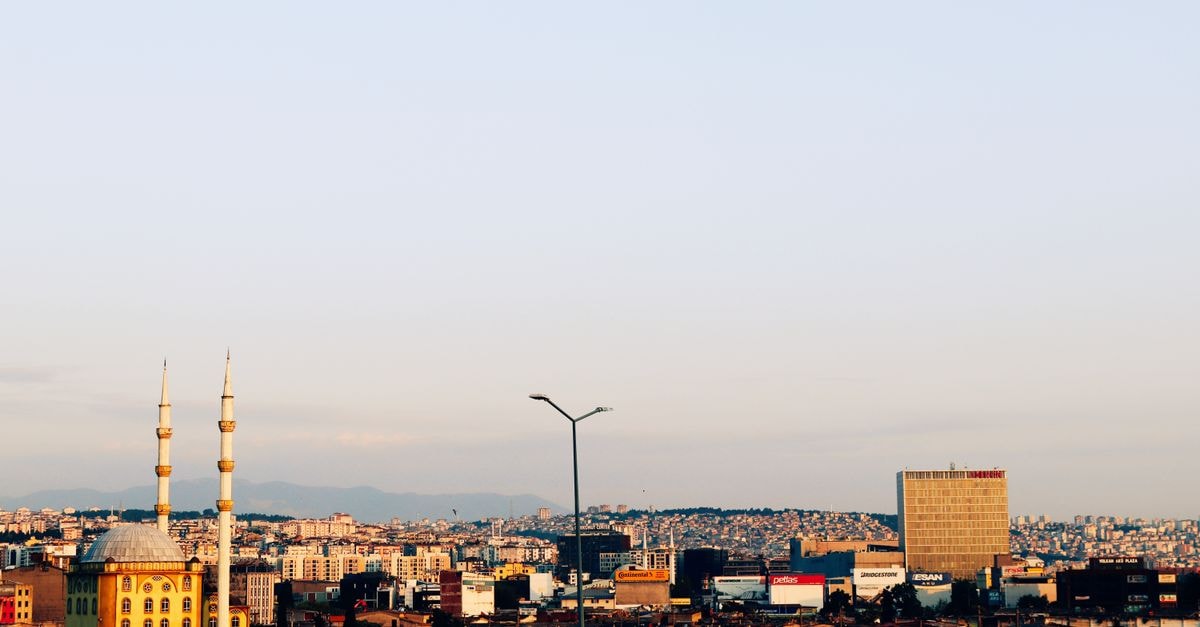
Set along the Black Sea, Samsun carries the easy rhythm of a working port city with a surprisingly deep historical layer. It is Turkey's largest port on this coast and the capital of Samsun Province, with a metropolitan population that gives it the feel of a real city rather than a small resort stop. The waterfront and the inland streets have grown up around each other for centuries, and visitors who like to mix sea views with old-town walking tend to find that balance here without much effort.
What makes Samsun rewarding as a base is its compactness. The Black Sea horizon is rarely far away, the central districts are walkable, and the museum trail threads through the city's modern story alongside its much older past.
Weather and seasonal context
Samsun sits in a temperate climate zone with hot summers and some rainfall distributed through the year. Rain is a possibility in any month rather than a single dramatic wet season, so it can pay to keep a light layer or umbrella within reach even on a fine-looking day. Because rainfall is not concentrated, the city generally feels usable across the seasons, though summer warmth can make midday outdoor walking tiring for visitors who prefer a slower pace.
For travelers who dislike heavy crowds or who want to pair sightseeing with relaxed café stops, the shoulder rhythm outside of peak summer heat can feel especially pleasant. Anyone planning a day of museum-hopping on foot may want to build in a break in the middle of the day and save outdoor stretches for the cooler hours.
Getting around
Samsun is widely described as having excellent internal transport for a city of its size, which is reassuring for visitors who would rather not rely on a car. Public transport options within the city include trams, buses, and taxis, giving travelers a few different ways to move depending on distance and pace.
For the central districts and the main museum cluster, walking and the tram network tend to cover most needs, while buses reach neighborhoods further out. Taxis are a useful backup for late evenings or for reaching points that are less convenient by tram. Because the city is laid out along the coast with a clear sea-facing side, it is relatively easy to orient yourself once you have spent an hour or two on foot near the waterfront.
Attractions and planning
Samsun's sightseeing is anchored by museums that tell two very different stories: one about the founding of the modern Turkish republic and one about the ancient civilizations that lived along this coast long before it carried the name Samsun.
The city has at least one museum closely associated with Mustafa Kemal Atatürk and the start of the independence movement, and visitor reviews describe it as a place where the atmosphere of that moment still feels present. Travelers interested in modern Turkish history often rate this as a highlight, and the museum tends to leave a strong impression because it is tied to a specific moment in the country's story rather than a general overview. Readers who like context before they travel may want to read a little about Atatürk's arrival in Samsun in 1919 so the exhibits land more clearly.
Long before the modern city, the same stretch of coast was known as Amisos under Byzantine rule, and that older identity is still visible in the archaeological record. The Archaeology Museum in Samsun displays artifacts from that earlier era, giving the visit a useful sense of depth. Travelers who enjoy piecing together how a port city evolved over centuries often find this museum a quiet counterpoint to the more emotionally charged modern-history museum, and pairing the two on the same day gives a fuller picture of the place.
Practical planning notes for the museum trail: most visitors move between these sites on foot or by short tram rides, since the main attractions sit within a fairly compact central area. Allow a couple of hours per museum if you like reading exhibits in detail, and check opening times on arrival, as hours can change.
Picking what fits your trip
Because Samsun's main draws are concentrated rather than spread across many neighborhoods, the city rewards travelers who prefer depth over checklist-style sightseeing. If modern history is your main interest, plan the Atatürk-focused museum first and let it set the tone for the rest of the visit. If ancient history and archaeology pull you more strongly, lead with the Archaeology Museum and its Amisos-era collection. If you like both, a simple two-museum day with a long lunch break between them is a relaxed way to take in the city's two faces without rushing. Travelers who prefer to keep things light can choose just one museum and spend the rest of the day along the seafront.
A note before you go
Factual travel conditions such as transport routes, museum opening hours, and ticket details can change, so it is worth checking the latest information through official channels or your hotel before setting out. Carry a light layer for unexpected rain, keep small change or a payment card ready for taxis and buses, and allow yourself more time than you think you need in the waterfront districts, since the sea views tend to slow people down in the best possible way.
Share this article
TOOLS FOR THIS PLAN
Make the Samsun plan measurable
Choose a tool only when it answers the next question in your trip. Your values stay in the browser, and each tool offers a route back to this planning context.