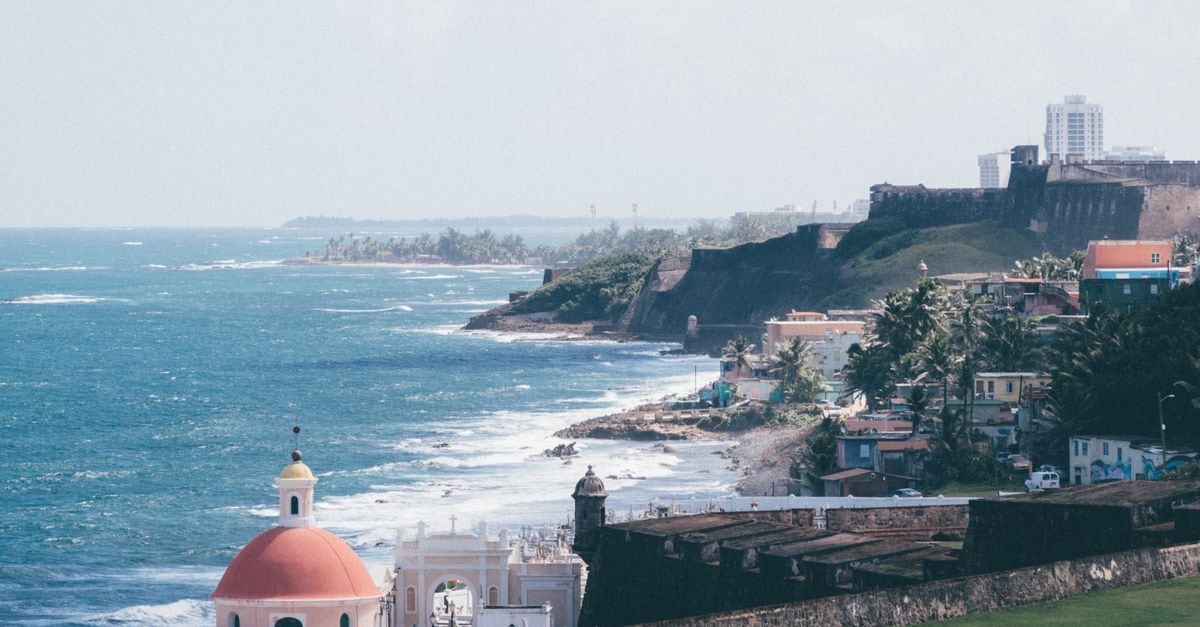
A small island with a wide blue horizon

The archipelago is also home to one of the most biologically important marine ecosystems on Earth, which shapes how visitors are asked to treat the reefs, beaches and sea life around them. That sense of stewardship is part of the island's identity and tends to show up in everything from tour briefings to signs along the coast.
Weather and seasonal context
San Andrés has a warm Caribbean climate, and conditions at sea can shift quickly across the wider region. Open-water days can feel very different from sheltered bays, so it helps to think about the weather in two layers: the island itself, where the air tends to stay warm and humid, and the boat trips, where swell and wind matter far more than the temperature onshore.
A boat trip gives you the classic Caribbean scenery, a land circuit adds local context and flexible stops, and diving deserves its own safety and equipment checks. Diving in particular is the activity where marine conditions, operator briefings and personal comfort with the sea all come together, and it pays to listen carefully to local guidance before going under.
If you are weighing a side trip to Providencia, treat it as a separate journey rather than a quick extra. Providencia is not an add-on to a San Andrés day tour: plan it as a separate journey with its own transport and overnight stay. That decision affects everything from packing to scheduling, and it is worth deciding before you arrive.
Getting around
The island is small enough that distances rarely feel daunting, but the texture of getting around depends on what you are doing. Within San Andrés town and the coastal road, movement is generally straightforward. Out on the water, the story changes.
Local visitor recommendations also lean on a simple idea: inform yourself about the place you are going to visit before you go. That applies as much to a beach a few kilometres down the road as it does to a boat tour, because access, currents and reef rules can vary from one spot to the next. The other shared note is to act with respect for the environment, avoid leaving litter and refrain from disturbing nature. On an island that sits inside a major marine reserve, that mindset is part of the everyday experience rather than a special request.
If you prefer flexibility over a fixed daily plan, you may enjoy building the trip around one or two confirmed bookings and leaving room for spontaneous choices, especially on days when sea conditions are uncertain. Travellers drawn to diving or reef environments may also appreciate choosing operators who give clear safety and equipment briefings before any water activity.
Attractions and planning
The San Andrés and Providencia travel guide tradition tends to frame the islands through the Seaflower Biosphere Reserve, a protected marine area that covers much of the surrounding sea. That framing matters because it explains why certain activities are shaped the way they are: there is an emphasis on low-impact enjoyment of the water, on guided access to reefs, and on treating the archipelago as a connected ecosystem rather than a single resort island.
The practical takeaway for planning is to think in terms of categories rather than a long list of named sights. Sea-based experiences, whether boat trips, snorkelling or diving, are one cluster. Land-based circuits, including short drives, viewpoints and town stops, form another. Each cluster has its own rhythm: sea days are more weather-dependent and often require advance booking, while land days are easier to improvise. Mixing the two tends to produce a more balanced trip, especially if conditions at sea are unsettled on certain days.
If your main interest is diving or snorkelling, the marine reserve context is part of the appeal, and it is worth choosing operators who explain the reef rules clearly and treat briefings as part of the experience rather than a formality. If you are more drawn to a slow, scenic visit, a land circuit combined with calm-water swimming can carry the trip on its own.
Food and local context
On an island visit, this nationwide context tends to show up in everyday ways: rice, beans, fresh fish, plantain and tropical fruit appear across many menus, and mealtimes often stretch into social time rather than a quick refuel. Dining etiquette across Colombia generally leans warm and hospitable, and visitors are likely to find that conversations at the table are part of the experience.
A useful habit while travelling is to treat the country-level picture as context and to ask locally about what is in season or what the day's catch looks like, rather than arriving with a fixed list of dishes to find. That approach tends to work well on islands where supply can shift with weather and boat schedules.
Choosing what fits the trip
A few simple tradeoffs tend to shape how a San Andrés visit feels. If you want a diving- or boat-heavy trip, building in buffer days around the main sea activity helps, since open-water conditions can shift on short notice. If you would rather keep things flexible, pairing a land circuit with calmer shoreline time gives you a full experience that is less dependent on a single weather window. Travellers interested in Providencia should plan it as its own short trip with an overnight stay, not as a same-day detour, and anyone keen on reef environments will likely appreciate choosing operators who give clear safety and equipment briefings.
Before you go
A few details are worth confirming closer to departure. Sea and weather conditions in the wider Caribbean can change quickly, so check current marine forecasts and any local advisories before booking boat-based activities. Confirm operator briefings, equipment standards and meeting points directly with each provider, and ask locally about access rules around reefs and protected areas. Factual travel conditions can change, and official channels should be checked before departure.
Share this article
TOOLS FOR THIS PLAN
Make the San Andrés plan measurable
Choose a tool only when it answers the next question in your trip. Your values stay in the browser, and each tool offers a route back to this planning context.