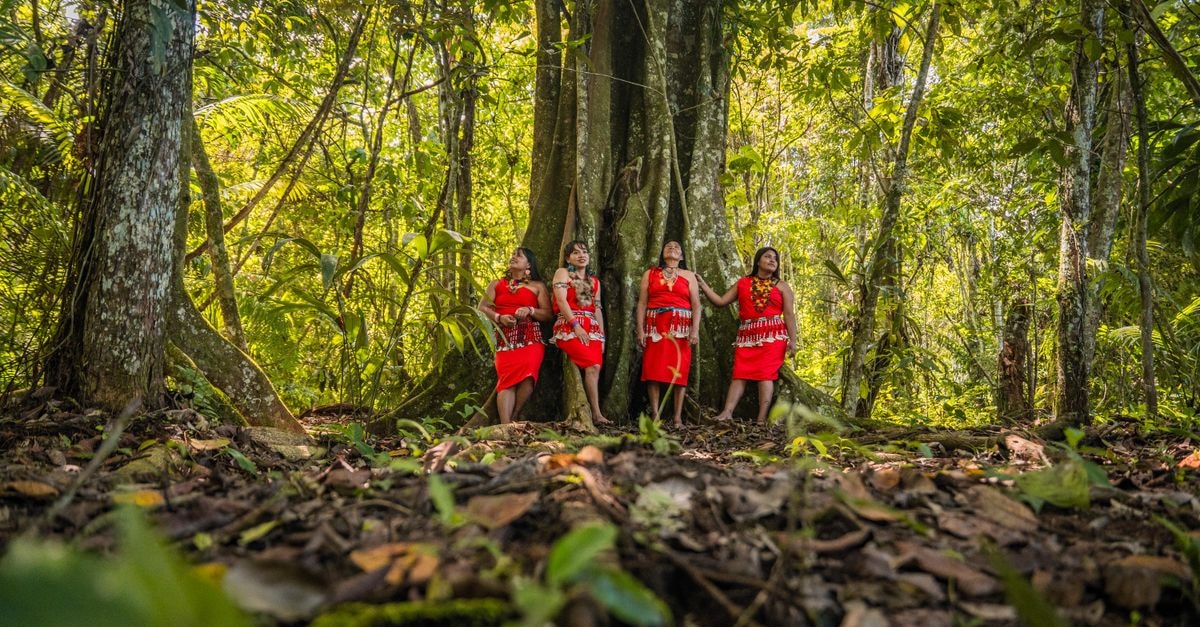
A first impression of San José del Guaviare

San José del Guaviare sits at the meeting point of Colombia's eastern plains and the edge of the Amazon basin, a gateway city that has long welcomed travelers curious about the country's wild interior. The municipality's official tourism directory introduces the destination with a simple invitation — San José del Guaviare is waiting — and frames the surrounding landscape as the country's *selvático* heart, a place where jungle, river, and rock meet in ways that feel distinctly Colombian.
That blend of ecosystems shapes everything about visiting here. The light can feel softer under the canopy, the air can carry a humid warmth, and the pace tends to settle into something quieter than in Colombia's bigger cities. Travelers who arrive expecting a polished resort experience will probably be surprised; travelers who arrive curious about landscape, regional food, and small-town Colombian rhythms tend to find a generous welcome.
Weather and seasonal context
Because San José del Guaviare sits deep in Colombia's tropical interior, the year divides more into wet and dry rhythms than into four traditional seasons, and the climate data that exists for the city is designed to help travelers compare those rhythms rather than to predict a specific day. Long-term scoring for hot-weather activities suggests that the period from late June through mid-October, together with early December through mid February, tends to score well for visitors whose itinerary revolves around river time, swimming, and other warm-climate pursuits. Outside those windows, the same scoring system tends to rate conditions as less favorable for purely hot-weather travel, though the city remains a year-round destination for landscape and culture-focused trips.
The practical takeaway is gentle rather than prescriptive. If your plans center on cooling off in rivers or spending long hours in the sun, leaning toward those higher-scoring windows can make the experience feel more comfortable. If your plans center on jungle trails, wildlife, or simply getting to know the town itself, the climate question becomes less about the calendar and more about how you pace your days — slow mornings, a long midday break, and active exploration in the cooler hours can work well across much of the year.
One honest caveat: long-term climate scoring is not a weather forecast. Conditions on any given day can vary, and the most reliable way to plan is to check a current forecast close to your trip and to ask locally once you arrive.
Food and local context
Colombia's food culture tends to be shaped by geography first, and San José del Guaviare sits in one of the country's most geographically expressive corners. The wider Colombian table is famously regional — Bandeja Paisa is widely considered one of the country's iconic plates and is usually associated with Antioquia and the coffee region — but the Amazonian plate follows a different logic, leaning heavily on freshwater fish, cassava in many forms, plantains, and tropical fruits. Visitors approaching San José del Guaviare from elsewhere in Colombia will likely notice the shift immediately, both in ingredients and in how meals are paced and shared.
Within the city and its immediate surroundings, tourism materials highlight a handful of experiences that combine landscape with regional eating. Ciudad de Piedra, a rock formation area outside town, is described as a walking experience through avenues of giant stones — many balanced in improbable ways — where visitors can imagine figures of animals and objects among the boulders, in the phrasing used by regional tourism listings. It is the kind of place that pairs naturally with a slow afternoon and a meal afterward rather than a rushed checklist stop.
A second listing, Yawis, ties food more directly to wildlife and habitat as it is described in regional tourism materials. The offering is described as a setting where visitors can observe the harpy eagle in its nest with an expert guide and then sit down to an Amazonian dinner built around typical regional dishes, according to regional tourism listings. The pairing — a wildlife encounter followed by a plate rooted in the same ecosystem — is a useful way to think about how food and landscape connect in this part of Colombia.
A few practical notes that apply across the country, and that visitors to San José del Guaviare are likely to encounter, are worth keeping in mind. Colombian meals are often social and unhurried, with multiple shared plates rather than a single entrée. Fresh fruit juices, often simply called *jugos*, are a daily staple rather than a special treat. And because the region draws on the rivers, fish features prominently, so travelers who do not eat fish will want to ask about alternatives rather than assume the default.
How to approach the trip
A few framing choices can make a visit to San José del Guaviare feel more rewarding. Build time around the landscape rather than against it — the jungle setting rewards slower days, and rushing from one stop to the next tends to flatten the experience. Treat meals as part of the trip rather than a break from it; Amazonian plates are one of the clearest windows into the region's identity. And treat local guides as part of the experience, especially for anything involving wildlife, rock formations, or river travel, where a knowledgeable companion meaningfully changes what you see.
San José del Guaviare is not a city that overwhelms with scale. It is a city that rewards attention — to its food, its stones, its rivers, and the easy warmth of a town that lives at the threshold of the Colombian Amazon. Approach it with curiosity and patience, and the trip tends to return more than it asks for.
A note before you go
This guide is built from long-term climate scoring and tourism sources, not from real-time conditions. Local transport schedules, tour availability, restaurant hours, and prices can change, and conditions on the ground can differ from the general patterns described above. Before traveling, confirm current details through official tourism channels, your accommodation, or a registered local guide, and check a live weather forecast close to your departure date. Rates and prices referenced in any travel planning material should be treated as a reference only and verified before any commitment.
Prices, opening hours, schedules, reservation rules, and local conditions can change; verify them through official channels before departure.
Share this article
TOOLS FOR THIS PLAN
Make the San José del Guaviare plan measurable
Choose a tool only when it answers the next question in your trip. Your values stay in the browser, and each tool offers a route back to this planning context.