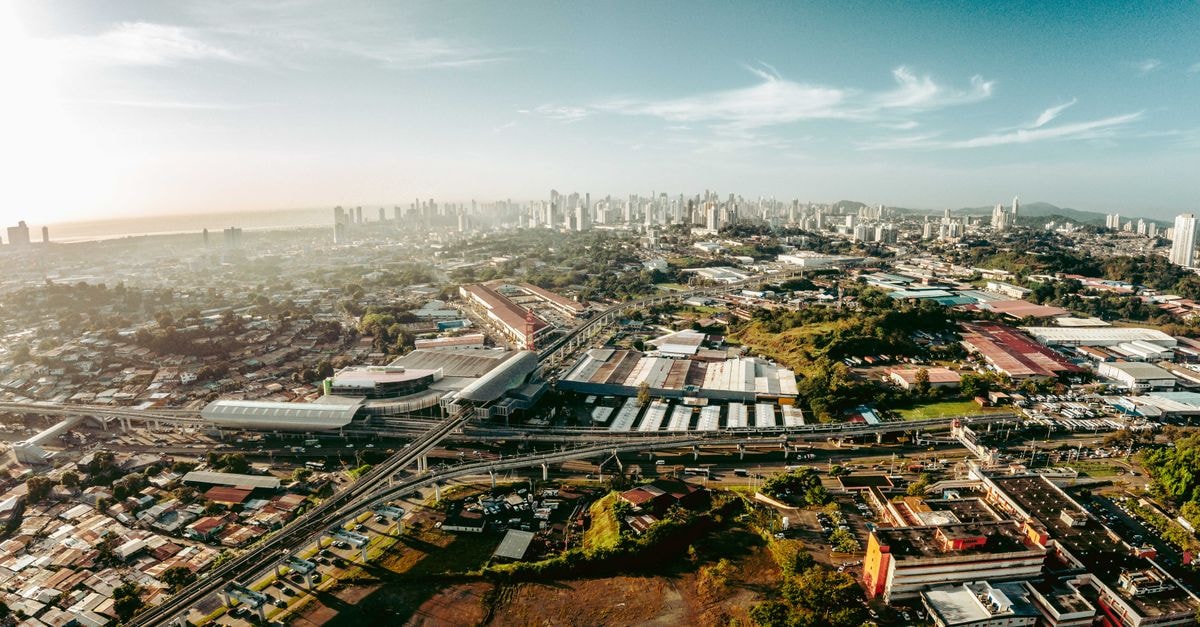
A Quiet Capital at the Edge of the Sierras

If you are the type of traveler who enjoys wandering a few blocks in the morning, finding a quiet plaza, and then deciding whether the day belongs to museums or mountain views, San Luis rewards that pace. It is also a natural gateway to the wider natural sites of the region, and the city itself holds enough landmarks to keep culture-minded visitors engaged without feeling rushed.
Walking the Compact Center
The first thing most visitors notice is how manageable the city feels. The center is compact and walkable, which is a quiet gift on any trip. You can orient yourself quickly, drift between landmarks on foot, and still have energy left for a slow lunch or an evening stroll. It is a layout that invites curiosity rather than planning, and that is part of the appeal.
The center is packed with landmarks that tell the story of the region's evolution from a colonial outpost to a vibrant provincial capital. That layering of history, modest but real, is what gives the city its texture. You are not just walking past pretty facades; you are moving through chapters of a place that has reinvented itself while keeping hold of its earlier character. The blend of historical depth and modern leisure means the same street can offer a plaza, a cafe with contemporary plates, and a family sharing an afternoon in the shade.
For travelers who like to balance indoor and outdoor days, the compact center is the right anchor. Mornings can be reserved for walking landmarks and reading plaques, afternoons for slower exploration or a rest before evening returns. Because distances are short, you are rarely more than a few minutes from wherever you started, which makes the whole city feel intuitive rather than logistical.
Getting Around the City and Province
Because the center is so compact, many visitors will not need much more than their own two feet for the core sightseeing days. That said, San Luis is also a province with many natural sites spread across a wider landscape, so some form of local transport is worth understanding before you arrive.
To use any public bus in the city or the wider province, you must have a SUBE card. This is the same contactless smart card used in Buenos Aires and many other Argentine cities. If you already have one from elsewhere in Argentina, you can continue to use it. If not, picking one up locally should be one of the first practical tasks of the trip, since the card is the key to buses that can carry you beyond the walkable core.
Because San Luis sits at the foot of the Sierras Grandes, and the province is known for being right in the middle of the dry pampas plateau, the city is well placed for travelers who want to combine urban wandering with the kind of open, dry scenery that defines this part of Argentina. The natural sites and points of interest within the city itself are part of that same draw, which is why so many guides describe the destination as a mix of cultural landmarks and outdoor appeal.
Weather and Seasonal Context
San Luis has a climate that quietly shapes the rhythm of a visit. Precipitation patterns in the region have distinct seasonality, which is typical for this part of Argentina. The year here is clearly divided into a wet warm season and a dry cool period, and understanding that arc can help you plan your days, your wardrobe, and even your pace.
What this generally means in practice is that some seasons feel noticeably wetter than others, while the cooler months tend to be drier. Travelers who like to be outside for long stretches will likely find the drier periods especially comfortable for walking the city and heading out into the surrounding landscape. In any season, layering is your friend, since the dry continental character of the region can mean warm afternoons and cooler mornings and evenings.
Because the climate is so seasonal, it is worth thinking of your trip less in terms of fixed rules and more in terms of mood. If you arrive in a cooler, drier stretch, you can comfortably spend a full day outdoors. If the weather turns warmer or wetter, a flexible rhythm of short outdoor outings and longer indoor pauses tends to suit the city well. The compact center makes that kind of adaptive day easy to put together.
Food and the Wider Argentine Table
Food in San Luis naturally sits within the wider story of Argentine cuisine, which is rooted in vast grasslands and immigrant traditions and built around quality meat and communal dining. European and Indigenous traditions blend seamlessly in local flavors across the country, and asado, the country's iconic barbecue, along with mate tea, are cornerstones of daily life in many Argentine homes and gatherings. Regional specialties vary widely across the country's landscapes, which means that what you taste in one province can feel quite different from another.
Dining customs across Argentina emphasize connection and shared experiences, and iconic dishes often carry historical or cultural significance. Beyond the sizzle of world-famous grills lies a mosaic of flavors waiting to be discovered, shaped by geography and tradition alike. One example of those culturally rooted dishes is locro, traditionally served on May 25 to commemorate the May Revolution and unofficially considered a national dish. Chimichurri, the bright herb-and-vinegar sauce, is another Argentine classic that often appears at the table alongside grilled meats.
For visitors, this wider context is useful background. It explains why meals in San Luis tend to feel social, why grilled meats are so central, and why mate, served from a shared gourd, is something you are likely to be offered or to see being passed around. Tasting asado, sipping mate, and noticing how slowly and generously people eat together are some of the most rewarding ways to engage with the culture here, even before you start to look for the specific dishes that define the San Luis region itself.
A Few Practical Notes Before You Go
A few small habits can shape how the trip feels once you are on the ground. Picking up a SUBE card early takes one logistical chore off your list and lets you use city and provincial buses with the same tap-based ease found elsewhere in Argentina. Pacing your day around the season, cooler mornings and warmer afternoons in the dry periods, wetter stretches in the warm season, keeps you comfortable without overthinking the weather. And leaving room in your itinerary for unhurried meals and plaza time lets the city's relaxed character do its work.
San Luis is the kind of place that does not need to be conquered. It rewards travelers who arrive curious, walk slowly, eat generously, and let the contrast between compact city streets and wide sierras horizons do the storytelling.
**A quick note before you go:** travel conditions can change, and details such as schedules, prices, services, and local openings are best confirmed through official channels close to your departure. Treat this guide as a starting point, then verify the specifics that matter most to your trip.
Share this article
TOOLS FOR THIS PLAN
Make the San Luis plan measurable
Choose a tool only when it answers the next question in your trip. Your values stay in the browser, and each tool offers a route back to this planning context.