A first look at San Miguel de Tucumán

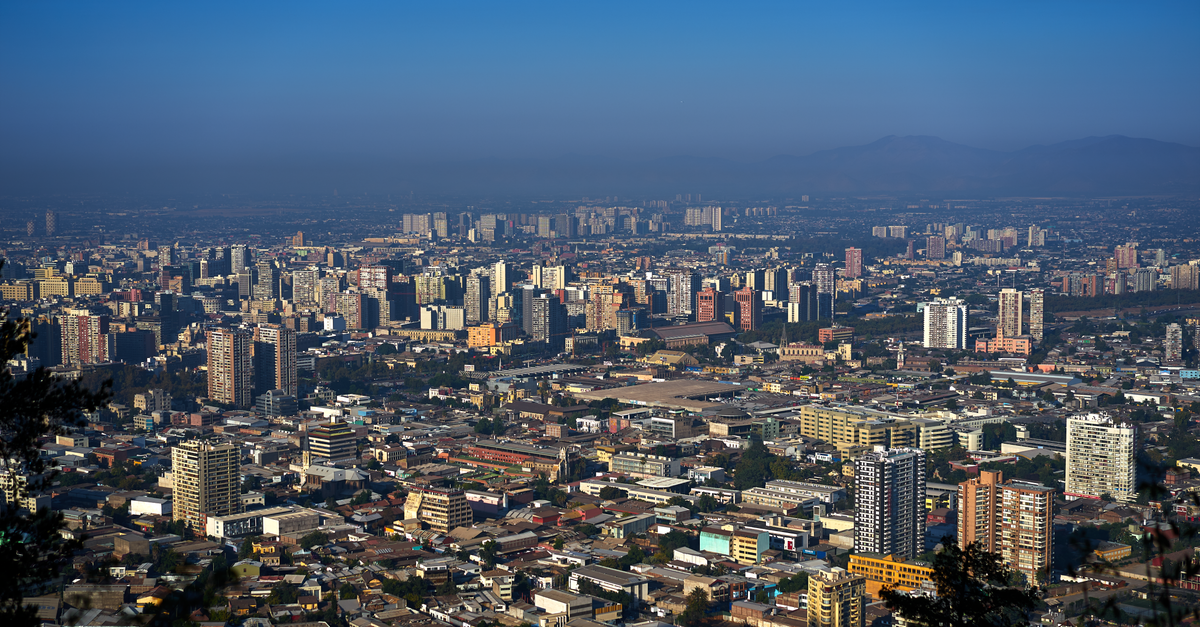
Tucked into the foothills of northwestern Argentina, San Miguel de Tucumán carries a quiet kind of gravitas. This is the place where Argentine independence was declared in 1816, and the city still wears that history without fussing over it. Locals sometimes call it the "Garden of the Republic," a nickname earned for its leafy plazas and its outsized role in the country's founding story.
It is also a working city, not a polished postcard. The fifth-largest in Argentina, it moves at the pace of universities, government offices, and family-run cafés rather than tour buses. For travelers who enjoy a destination where daily life and historical weight sit comfortably side by side, that contrast is part of the charm.
Getting around
Moving through San Miguel de Tucumán is fairly straightforward, and one practical option is to use the local buses that connect to the city's main sights. These buses leave from the San Miguel de Tucumán Bus Terminal, which functions as a hub for travelers heading into different parts of the urban area.
A small note of practical advice: bus details, fares, and operating patterns can shift, so it's worth confirming current information locally before relying on a specific service.
Attractions and planning
The must-see list in San Miguel de Tucumán is short, focused, and deeply tied to Argentine identity. The Casa Histórica de la Independencia stands at the center of any visit. It is the very building where independence was declared, and it anchors the city's role as a national symbol rather than just a regional capital. Even travelers who arrive with only a passing interest in history tend to find the visit surprisingly moving.
Just steps away, the Cathedral of San Miguel de Tucumán adds a quieter layer to the historic core. Its façade and interior reward a slow look, and it pairs naturally with a walk through the surrounding streets, where colonial-era architecture mingles with everyday shops and cafés.
For a change of pace, Parque 9 de Julio offers a generous stretch of green space within the city. It is the kind of place where you can pause under a tree, watch locals pass through, and catch your breath between heavier sightseeing stops. The park also helps frame the city as more than a collection of monuments: it is a place where people actually live, walk, and gather.
Beyond these three anchors, the city's tourist offerings are relatively few. That is not a weakness so much as a feature. The smaller scale means you can take your time, linger where you want, and let the historic quarter unfold without rushing from one ticketed attraction to the next. A relaxed pace, with space for wandering and unplanned stops, tends to suit the rhythm of the city.
A gentle planning suggestion: rather than cramming a long list of sights into a tight schedule, consider giving yourself room to absorb the historic core on foot, with the park as a midday reset. You will likely leave with a more rounded sense of the place than if you rushed through a packed checklist.
Food and local context
Dining in San Miguel de Tucumán offers more than just a meal; exploring dishes here can bring genuine cultural insight, since food is one of the most direct ways a city shares its identity with visitors. As you sit down at restaurants across the city, you are likely to encounter flavors shaped by the surrounding region and by Argentine culinary traditions more broadly.
For travelers with specific dietary needs, it is worth knowing that halal options are very limited in San Miguel de Tucumán. Visitors who keep halal or kosher may need to plan ahead, ask locally for guidance, or adjust expectations accordingly. This kind of practical awareness helps avoid frustration once you arrive.
If you are curious about where to start, local dining guides highlight a range of establishments across the city, from casual spots to more considered dining rooms. Rather than treating any single list as a definitive ranking, it often works better to wander a neighborhood, peek at menus posted outside, and follow what looks lively. Argentine dining culture generally rewards a relaxed, conversational approach, and Tucumán is no exception.
Because restaurant offerings, menus, and hours can change, it is wise to confirm details directly with venues before making a special trip, especially if you have dietary restrictions or are hoping to visit a specific place.
A few final notes for travelers
San Miguel de Tucumán is the kind of city that rewards curiosity over checklist. Its significance to Argentina is concentrated in a walkable historic center, its green spaces offer a welcome counterpoint to museum visits, and its food scene invites you to slow down and pay attention. Because the list of headline attractions is short, you can afford to linger without feeling like you are missing something essential.
As with any destination, factual conditions on the ground can change. Transportation schedules, opening hours, and dining options evolve over time, so it is always a good idea to verify current details through official channels or local sources before finalizing your plans.
Safe travels, and enjoy the quiet confidence of Argentina's Garden of the Republic.
Share this article
TOOLS FOR THIS PLAN
Make the San Miguel de Tucumán plan measurable
Choose a tool only when it answers the next question in your trip. Your values stay in the browser, and each tool offers a route back to this planning context.