A first look at La Tacita de Plata

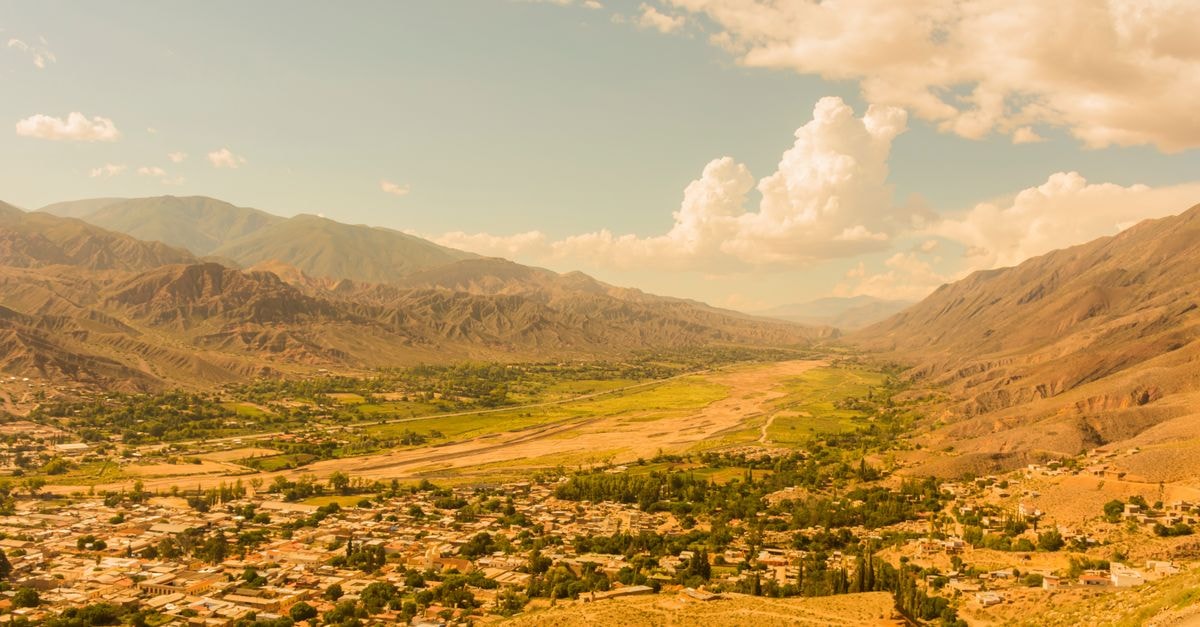
The geography is part of the appeal. As the capital of Jujuy Province, San Salvador de Jujuy rests in the fertile valleys of the Grande River, framed by towering mountains that create a dramatic and picturesque backdrop. Even a short walk through town offers glimpses of those mountain silhouettes, and they tend to shape how visitors pace their days, lingering on sunlit plazas in the morning and easing into cooler evenings as the peaks shift color.
Weather and seasonal context
There's no single "right" feel to the climate in San Salvador de Jujuy, because the valley setting creates its own rhythm. Mornings often start cool and crisp, the kind of freshness that comes from being cradled by highland air, while afternoons can warm up quickly under strong Andean sun. Evenings typically cool down again, especially when breezes move down from the surrounding peaks.
Because the city sits in a valley surrounded by mountains, layering is the practical approach. Lightweight long sleeves, a sweater or fleece for the evening, sun protection for midday walks, and comfortable shoes for uneven historic streets tend to serve visitors well year-round. The mountain backdrop also means the light can shift dramatically through the day, so a slow café stop in the late afternoon often rewards travelers with one of the warmest views of the trip.
If you're sensitive to altitude, the valley location is gentler than the higher passes nearby, but it's still wise to hydrate generously and give yourself a relaxed first day before committing to longer excursions. The city rewards unhurried exploration, and the geography practically invites you to wander.
Attractions and planning
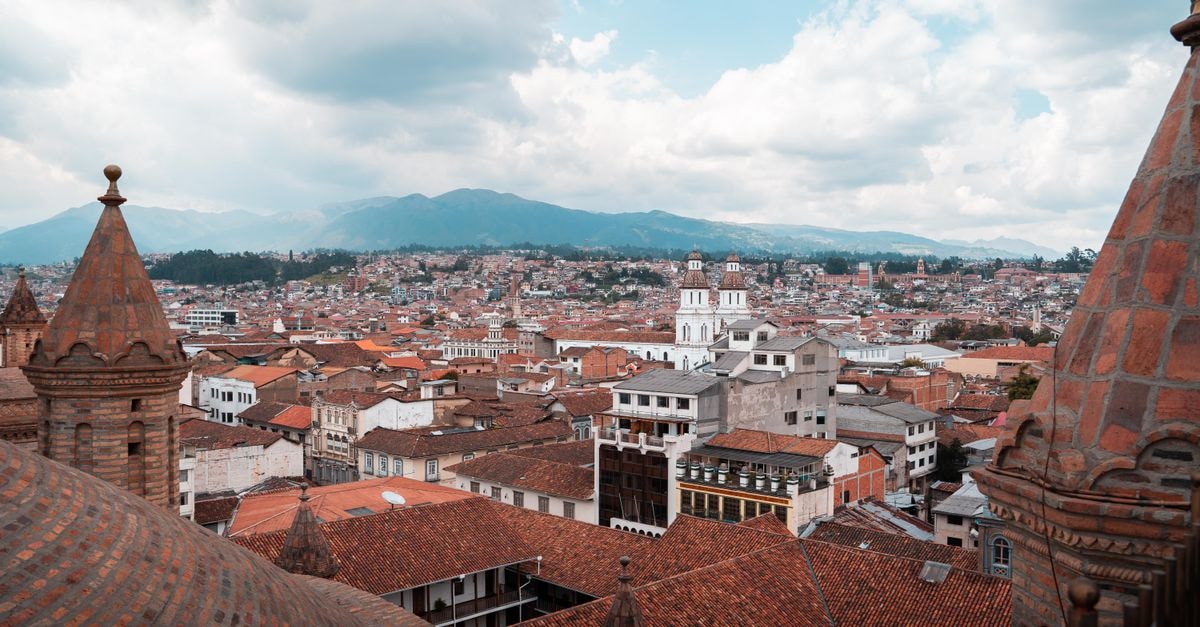
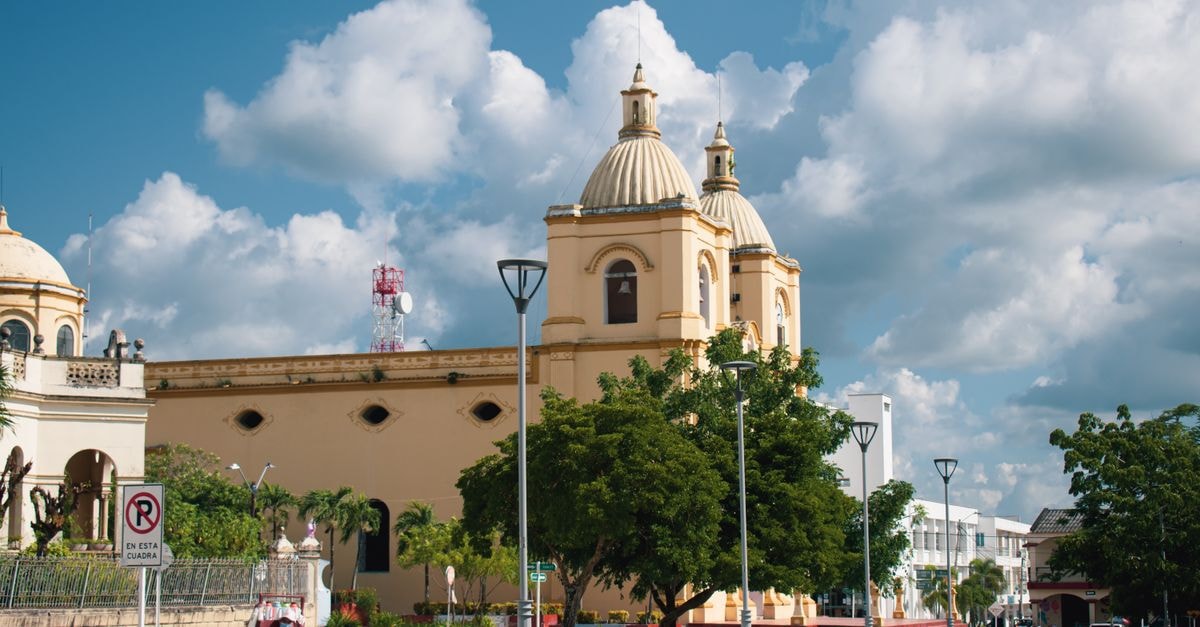
San Salvador de Jujuy is the kind of city where the historic core is the main attraction, and orientation is refreshingly simple. Streets are easy to learn after a day or two, and the central plazas, churches, and markets give visitors a clear sense of place without the need for complicated logistics. The colonial architecture, set against the mountain backdrop, is what most travelers come to photograph and remember.
The same municipal portal also runs an ongoing citizen perception survey about local tourism, which speaks to how actively the city engages with its visitor economy. For independent travelers, this signals that public information tends to be refreshed regularly and that the city is invested in making tourism both organized and welcoming. A quick look at the portal before arrival helps set expectations and can highlight temporary exhibits, cultural events, or municipal programs running during your stay.
Because the city is compact and walkable, planning rarely requires more than a loose daily rhythm: a morning spent in the historic center, an afternoon for museums, markets, or a nearby viewpoint, and an evening reserved for the relaxed pace of plaza life. The mountains do much of the visual work; visitors mostly need to show up and look around.
Food and local context
Argentina's culinary scene is rooted in vast grasslands and immigrant traditions, and it thrives on quality meat and communal dining. This is the cultural backdrop you'll sense in Jujuy as well, from neighborhood parrillas where families gather on weekends to casual cafés serving coffee alongside medialunas. Even simple meals tend to stretch into long, social occasions.
Dining customs throughout Argentina emphasize connection and shared experiences. Meals tend to be long, late, and social. As a visitor, embracing that pace—lingering over a meal, accepting a shared gourd of mate when offered, and treating even a casual lunch as an event—tends to be the most rewarding approach to the local food scene.
Practical notes for travelers
San Salvador de Jujuy works well as a base for travelers interested in northwestern Argentina's landscapes and cultures, but the city itself rewards at least a full day of unhurried exploration. The historic center is compact, the mountain views are constant companions, and the food culture invites slow, social meals rather than rushed sightseeing.
Independent travelers tend to find the city easy to navigate on foot, with taxis and local buses filling in for longer distances. Because weather and seasonal programming can shift from one visit to the next, checking the municipal tourism portal before departure is the simplest way to confirm what's open and what's scheduled during your stay.
Factual travel conditions can change at any time, so official channels should always be checked before departure. The information above reflects the broader character of San Salvador de Jujuy and the wider Argentine food culture, but current hours, events, and local services are best confirmed directly through the city's tourism office once your travel dates are set.
Share this article
TOOLS FOR THIS PLAN
Make the San Salvador de Jujuy plan measurable
Choose a tool only when it answers the next question in your trip. Your values stay in the browser, and each tool offers a route back to this planning context.