Sanaa rewards careful planning. For travelers drawn to layered history, distinctive architecture, and a strong culinary culture, this guide brings the practical context together: the old city’s UNESCO status, the city’s rainy-season pattern, locally rooted dishes, and the travel advisories that should shape any decision to go.
Weather and seasonal context
Sanaa’s weather varies noticeably through the year, so timing can shape how you approach a visit. The main rainy season is influenced by the Indian Ocean monsoon and runs from July through August. These rains may bring heavier but often short-lived showers. If you prefer exploring the city while avoiding the wettest period, consider planning around that pattern rather than treating rainfall as a constant condition.
The warmer part of the year can also deserve attention. Spring brings the highest daytime temperatures, which peak at 33°C (91°F) in June. That figure is a seasonal peak rather than an everyday reading, but it is a useful reminder to pace outdoor plans thoughtfully and allow for changing conditions.
This guide is deliberately evergreen rather than tied to a particular travel month. For a traveler whose main priority is the historic city, weather-aware planning is most useful when it helps determine the pace of a day without turning a seasonal high into a guaranteed experience.
Getting around and planning travel
The most important transport consideration is not how to move through Sanaa, but whether travel to Yemen—including its capital—is appropriate at the time of your trip. International governments issue strong advisories against all travel to Yemen, including Sanaa. These warnings represent a fundamental constraint rather than a routine urban-planning consideration.
Travelers should therefore check the latest official advice before making any plans. Advice can change, and it should be considered alongside the traveler’s own circumstances, required documentation, insurance, and the specific purpose of the journey. No local route, ride, vehicle, or transport service is recommended here because the approved evidence does not establish current availability or operating details.
For anyone whose priority is historical exploration, this means the planning process begins with confirming whether and how travel can be undertaken responsibly. The historic sights below are compelling reasons to learn about the city, but they do not override official government warnings.
The old city: history and distinctive architecture
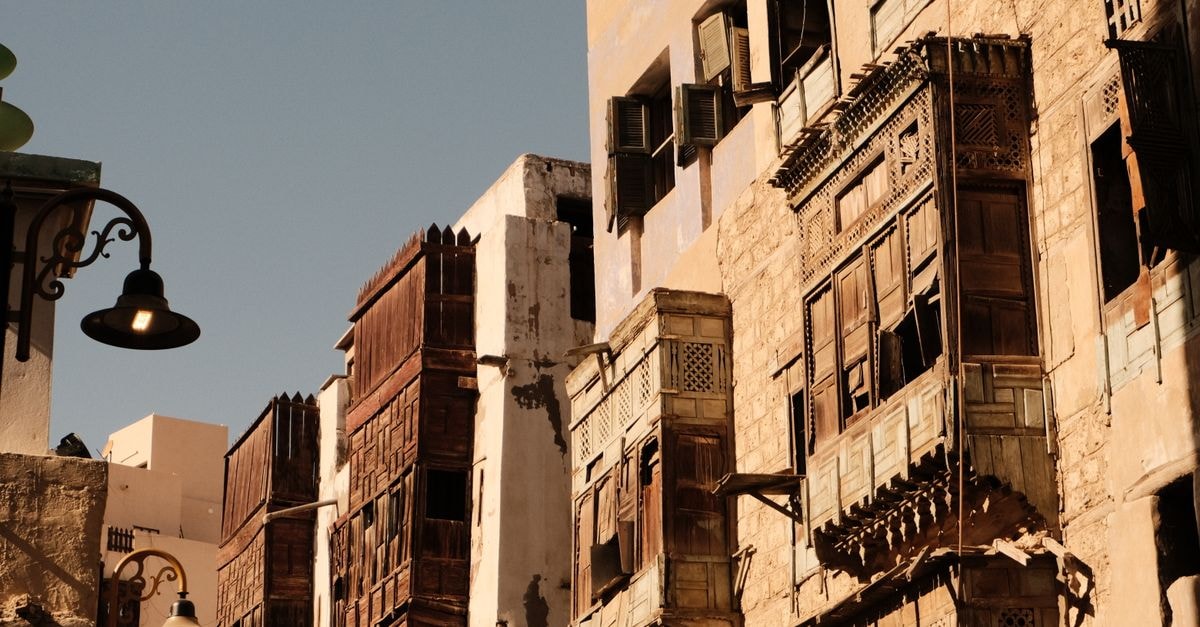
The Old City of Sanaa is a UNESCO World Heritage site and the clearest anchor for understanding the city. Its recognized heritage status makes it a compelling focus for travelers interested in history, architecture, and the visible layers of Yemen’s cultural past.
Sanaa is also associated with six-story gingerbread towers and afternoons shaped by qat-chewing, elements that give the city a particularly memorable cultural character. These details make the old city relevant not merely as a stop to see, but as the setting in which the city’s built and social traditions can be appreciated.
If your interest is in a concentrated cultural visit rather than a broad checklist of activities, the old city is where the available evidence offers the clearest focus. Because access arrangements and on-site services are not detailed in the approved information, confirm practical visit details directly with official channels before setting out.
Food and local context
Food is another expressive part of Sanaa’s appeal. The city is known for traditional dishes, dining customs, and culinary experiences, offering a way to encounter local culture beyond its monuments and towers. For food-focused readers, the central point is to treat the meal as part of the cultural experience rather than simply a break between attractions.
Saltah stew is identified as a traditional local specialty and as Yemen’s national dish. That national description gives it wider significance: visitors may encounter it as a way to understand Yemeni food culture through a dish associated with the country as a whole.
No specific restaurants, menus, prices, or opening hours can be confirmed from the available evidence, so it would be misleading to direct readers toward a named venue or promise a particular dining experience. If you prefer food with strong local roots, look for places where saltah is offered and verify current availability before visiting.
Choosing what fits the trip
The strongest themes in Sanaa suit travelers with particular priorities. Those interested in heritage and architecture may find the UNESCO-listed old city the most compelling focus, while readers drawn to culinary traditions can place saltah and the wider context of Yemeni food at the center of their visit. The city’s seasonal rain and warm-weather patterns matter mainly to travelers whose preferred activities depend on outdoor conditions.
At the same time, strong government advisories against travel to Yemen may lead prospective visitors to reconsider the journey altogether. That is not a limitation of the city’s appeal; it is a documented travel condition that shapes every other choice. The most fitting plan is therefore one that begins with current official advice and then matches the traveler’s interests only if travel is otherwise appropriate.
Travel conditions, access arrangements, weather patterns, and food availability can change. Check official channels and reliable local information before departure and immediately before making plans.
Share this article
TOOLS FOR THIS PLAN
Make the Sanaa plan measurable
Choose a tool only when it answers the next question in your trip. Your values stay in the browser, and each tool offers a route back to this planning context.