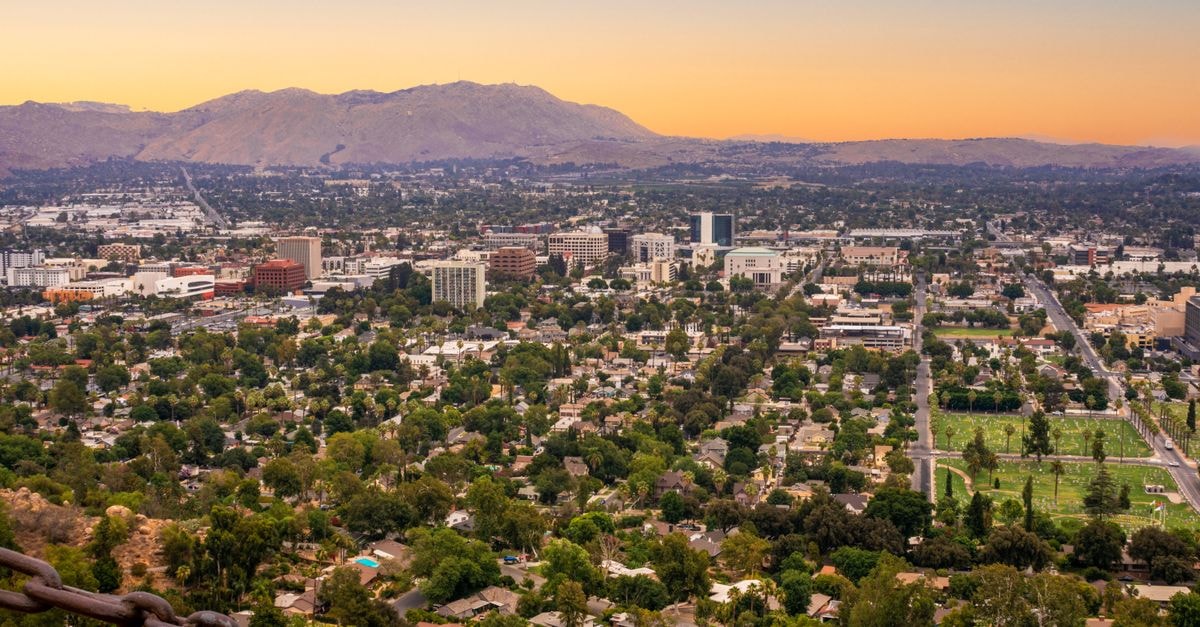
A short, grounded welcome to Santa Ana

Santa Ana sits at the heart of the county it belongs to and often slips past travelers racing toward the beaches or theme parks just beyond it. Spend a little time here, though, and the city's cultural pull becomes obvious: there is a respected museum that frames world art through a distinctly Californian lens, a family-friendly zoo tucked inside a neighborhood park, and a taco scene so concentrated that one local food critic reportedly placed roughly twenty of the area's top taquerias within the city itself. This guide keeps things tight and practical, focusing on what the approved evidence actually supports so you can plan a confident, low-stress visit without chasing recommendations that are not there.
Attractions and planning: two anchors worth a slow morning
Santa Ana's sightseeing map is refreshingly compact, and two destinations tend to anchor most visitor plans.
The **Santa Ana Zoo** sits inside Prentice Park, a leafy neighborhood green space that gives the experience an almost backyard feel compared to the larger zoological parks elsewhere in Southern California. It is the kind of place where families can wander without the pressure of a massive campus, and where the parkland itself becomes part of the visit. Treat it as a relaxed half-day rather than a sprint, especially if you are traveling with children or anyone who enjoys a quieter pace.
The **Bowers Museum** is the cultural counterweight to that outdoor stop. Founded on land donated by Charles Bowers, a land developer who lived in the surrounding region and left a plot to the city before he passed, the museum has grown into a serious institution that showcases art and culture from around the world. Travel guides consistently describe it as one of the city's standout reasons to visit, and the way it bridges global collections with local California history gives it a staying power that pure novelty attractions do not always have. Plan a couple of hours here, and consider it the indoor counterpart to your time at the zoo so you balance the day between fresh air and air conditioning.
One of the most heritage-minded sites in the city is described as a significant part of Santa Ana's past, meriting a visit for travelers with an interest in history. Treat it as a complement to the Bowers Museum rather than a substitute: the museum offers broad cultural context, while the historic site offers a more focused sense of place. If your itinerary allows only one museum-style stop, Bowers is the safer all-around pick; if you are returning to the city or already know the museum well, the heritage site rewards the extra curiosity.
A simple way to frame a visit is to pick one indoor and one outdoor anchor, leave room for a long lunch, and resist the urge to over-program the day. Santa Ana rewards a slower rhythm, and the small scale of its main attractions means you can see the highlights without the transit fatigue that often comes with bigger California cities.
Food and local context: the taco trail that defines the city
If there is one thing Santa Ana is known for beyond its civic identity, it is the density and quality of its taquerias. According to a former *Orange County Register* food critic who named the "50 Best Tacos in Orange County," a striking share of that list — about twenty of the fifty — sits inside Santa Ana. For visitors, that is not just a fun statistic; it translates into a very real, walkable food scene where you can taste your way through several distinct styles in one neighborhood rather than driving across a county.
The styles on offer range broadly. You will find **al pastor**, with its spit-roasted pork and pineapple-accented marinade; **birria**, the rich, chile-braised stew often served with consomé for dipping; and **baja fish**, a coastal California staple built around crispy battered fish, cabbage and a creamy sauce. Across the United States, the Tuesday-as-taco-day tradition has softened into something more like "tacos whenever the craving hits," and Santa Ana fits comfortably into that wider shift: this is a city where taquerias draw steady lines any day of the week, not just one.
Because the scene is concentrated, the practical advice is simple: pick a cluster, order from two or three different taquerias in a single afternoon, and let the variety do the work. A short taco crawl, paired with one of the cultural stops above, is arguably the most authentic way to spend a day in Santa Ana. Skip the urge to optimize for a single "best" spot — the pleasure here is in the range, and the critics' list exists precisely because the depth, rather than a single champion, is what defines the city.
If you have dietary restrictions or are traveling with picky eaters, do not assume every taqueria covers every style; menus vary, and traditional birria spots, for example, may not double as a baja fish destination. A quick scan of a menu before you walk in can save a stop.
Putting it together: a relaxed two-stop day
Most independent visitors do not need a packed itinerary to feel they have "done" Santa Ana. The supported attractions cluster tightly, and the food scene is dense enough that lunch itself becomes an activity. A balanced day might look like this in spirit: a morning at the Bowers Museum for culture and air conditioning, a short transit to Prentice Park for the Santa Ana Zoo and some outdoor time, and a long, exploratory lunch centered on two or three taquerias. Add the heritage site if you have extra curiosity and time, and save any lingering evening for a return to whichever taco spot impressed you most.
What this guide intentionally leaves out is just as important as what it covers. There is no commentary on weather, since the approved evidence does not include direct conditions to report, and no pricing, hours or transit details, since those facts were not part of the ledger and would risk being out of date the moment you read them. Before you go, verify opening times, ticket prices and any temporary closures through the attractions' own official channels; museums and zoos in particular can shift schedules for holidays, special exhibitions or maintenance. Treat this guide as a curated skeleton — the shape of a thoughtful Santa Ana visit — and confirm the live specifics yourself.
Travel conditions change. Museum hours, ticket prices, taqueria locations and even which spots are currently in operation can shift over time, so a final check through official websites or a quick phone call is always worth the few minutes. Rates, where relevant, are only a reference point and should be confirmed against current information before any spending decisions. With that small step handled, Santa Ana offers one of the most genuinely satisfying compact city experiences in Southern California: a zoo, a world-class museum, a heritage site, and what may be the most concentrated taco trail in the area, all within a few miles of each other.
Share this article
TOOLS FOR THIS PLAN
Make the Santa Ana plan measurable
Choose a tool only when it answers the next question in your trip. Your values stay in the browser, and each tool offers a route back to this planning context.