A city with its own rhythm

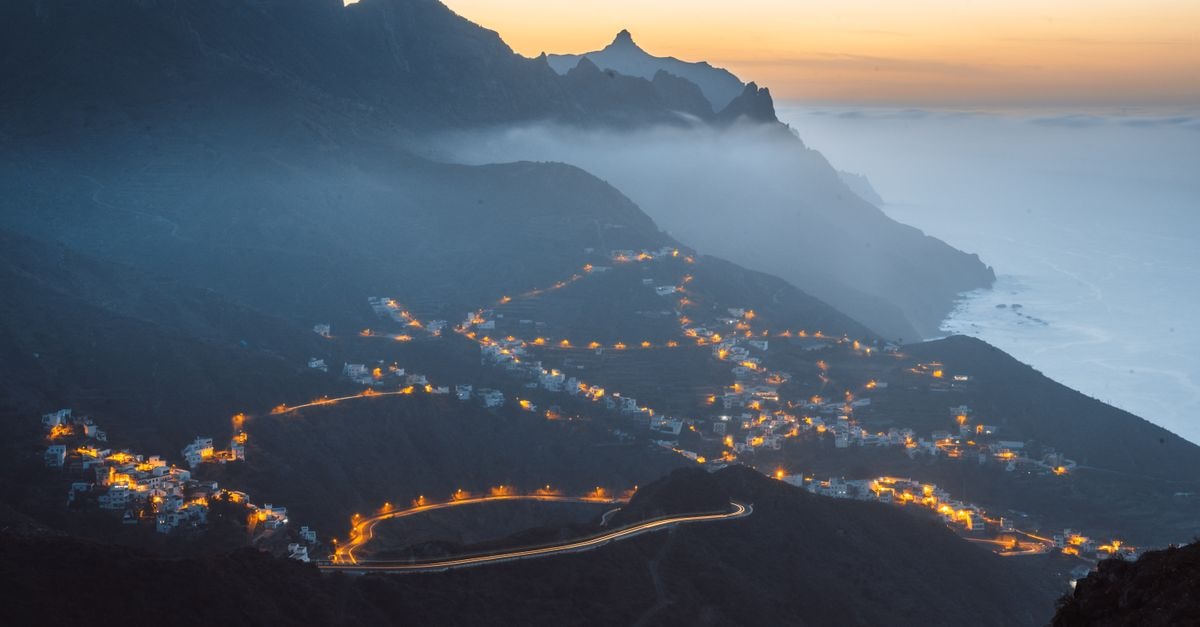
Santa Cruz de Tenerife is the kind of capital that rewards the traveller who steps off the resort treadmill. It is the co-capital of the Canary archipelago, a working port city where the daily rhythm of locals, commuters and weekend strollers sets the tone, and where visitors can find a different side of Tenerife than the sunny southern resort strip. There is a seductive blend of avant-garde architecture and historic heritage tucked into its streets, which makes wandering feel like turning pages of a story that shifts every few blocks.
The city is anchored by the sea, and it shows. Walk long enough and you reach a waterfront that locals actually use, not just tourists in transit. That mix of architecture, harbour life and everyday Canarian culture is what makes Santa Cruz feel less like a stopover and more like a destination in its own right.
Attractions and planning
If you want to get under the skin of the city, two threads are worth pulling on: a relatively new stretch of urban beach and a cluster of small, focused museums.
One of the most recent attractions to appear on the Santa Cruz map is Valleseco beach, a city beach that gives visitors a way to feel the local pulse without leaving the capital. It is the kind of place that locals pop into after work or on a weekend, which makes it a useful orientation point for travellers who want their visit to feel lived-in rather than staged. Pairing time on the sand with a walk along the surrounding seafront gives an easy half-day shape to a first afternoon in the city.
For a slower kind of sightseeing, Santa Cruz has a tight set of museums that punch above their weight. Among the museums the capital offers, the one the source flags as most important is the Museum of Nature and Man (Museo de la Naturaleza y el Hombre), described in that single guide as the museum that should not be missed. Alongside it sits the Military Museum of Santa Cruz, formally the Museo Histórico Militar de Canarias, which rounds out a compact cultural pairing for a morning or an air-conditioned break from the midday sun.
The practical shape of a visit therefore tends to fall into two halves: a beach-and-waterfront block built around Valleseco, and a museum-and-streets block anchored by the Museum of Nature and Man and the Military Museum. Both halves sit within easy reach of each other in the same city, which is part of what makes Santa Cruz feel manageable for a short stay.
Food and local context
Santa Cruz de Tenerife is a city filled with vibrant culture and rich culinary traditions, where the flavours of the Canary Islands come alive in everyday cooking. The capital has long been a place where island cooks and visiting influences meet, and that shows up in the range of what gets served at ordinary tables. From savory seafood to comforting stews, the city offers a wide array of traditional meals that reflect its cultural melting pot, and you do not have to chase a special-occasion restaurant to taste it; the everyday food culture is the attraction.
The street food scene is its own doorway into the same flavour map. Santa Cruz de Tenerife street food is a delightful showcase of Canarian flavours, blending tradition and creativity in every bite, and it is a useful way to graze your way through a neighbourhood rather than committing to a single sit-down stop. Think of it as a way to sample several expressions of the same Canarian kitchen in a single afternoon, without overplanning.
Across Spain more broadly, visitors may notice a few habits at the table that are worth knowing about. Lunch is often the main meal of the day and tends to be served later than in some other parts of Europe, while dinner is typically lighter and pushed later into the evening. These rhythms shape when kitchens are open and how a day's eating falls into place, so building a flexible eating window into your day can feel more natural than fighting against it. Tapas-style sharing is common, which suits the street food approach above nicely, and most places will assume you are happy to linger once you have ordered.
Putting the day together
This shape is intentionally light on logistics. The point is to leave room for the kind of unplanned moments that make a capital city feel alive: a plaza you stumble into, a counter you did not know was there, a stretch of seafront that looks different at sunset than it did in the morning. Santa Cruz rewards that looseness, and the city's compact scale makes it easy to drop in, change your mind and carry on.
A short verification note
Factual travel conditions can change at any time. Hours, availability, prices and the day-to-day operation of museums, beaches and street food vendors in Santa Cruz de Tenerife should be confirmed with official channels and current local sources before you travel, and again on the day. Treat this guide as a grounded starting point rather than a live status update, and let it shape the questions you ask rather than the answers you assume.
Share this article
TOOLS FOR THIS PLAN
Make the Santa Cruz de Tenerife plan measurable
Choose a tool only when it answers the next question in your trip. Your values stay in the browser, and each tool offers a route back to this planning context.