Weather and seasonal context

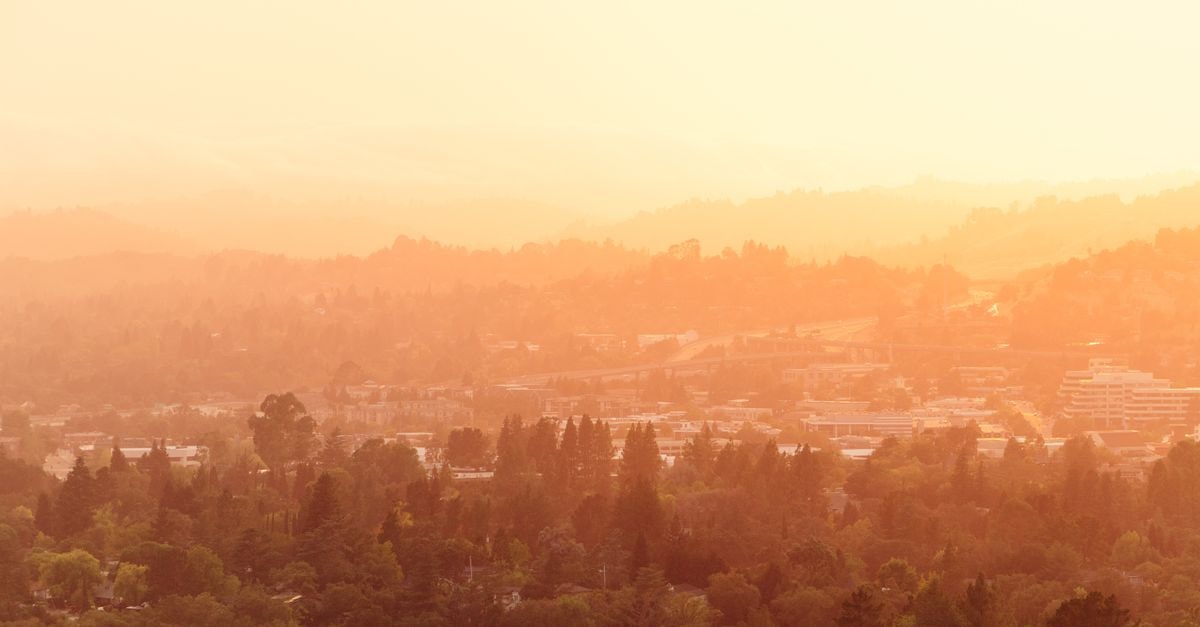
Santa Rosa sits in a temperate part of central Argentina, so the city experiences a real change of seasons rather than a constant tropical climate. Weather resources describe local conditions by month, covering average temperature, rainfall and sunshine alongside advice on the best time to visit. Travellers who prefer mild conditions for walking between sights may find the shoulder months especially comfortable, while those who enjoy warm, long evenings should expect hotter stretches during the summer half of the year. Cooler stretches can feel brisk, particularly in the early mornings and evenings, so layering is generally a wise approach when stepping out from a café or museum. Because exact daily conditions vary, checking a current forecast closer to any trip is always a sensible habit.
Getting around
Santa Rosa Airport, identified by the IATA code RSA and ICAO code SAZR, is the main gateway to the city. The airport operates under Aeropuertos Argentina 2000 management and maintains a straightforward layout that makes regional arrivals and departures relatively simple, which suits travellers who prefer short, uncomplicated airport experiences over large, multi-terminal hubs.
Attractions and planning
Santa Rosa's attractions lean toward cultural and natural history rather than blockbuster sights, which often appeals to travellers interested in regional identity. The Provincial Museum of Natural History holds archaeological pieces and cave paintings that recall the customs of the native communities who shaped this part of La Pampa, making it a meaningful stop for visitors curious about the layers of history beneath the wide-open landscape. A short visit here tends to set the tone for the rest of a stay, anchoring the city in its broader Pampas context.
Accommodation options in Santa Rosa include lodgings with a pool, places offering free parking, and a spread of apartment-style and rural-feeling stays, so travellers choosing between a central base and a quieter stay on the edge of town have a reasonable mix to consider.
Food and local context
The food scene in Santa Rosa leans into classic Argentine comfort. Local dishes tend to focus on beef and empanadas, giving visitors a clear entry point into the wider Argentina food culture that travels through this region. Late-night food options such as pizza and empanadas are available, though most restaurants close by midnight, so evening planners should anchor late dinners earlier in the night rather than relying on a 1 a.m. menu. The wider Argentina context of grilled meats and filled pastries shows up across menus, and visitors should expect those flavours to thread through casual eateries, family-run restaurants and bakery counters alike.
Choosing what fits the trip
A few supported tradeoffs may help shape the visit. Travellers who enjoy quiet provincial cities, short airport transfers and a focus on cultural history over nightlife will find Santa Rosa an easy match. Those who prefer destinations with dense late-night dining or extensive public transit networks may need to plan around the midnight closing time and the modest bus coverage, perhaps by arranging a few evening activities earlier and using supplemental ground transport for outlying plans. Pairing a museum morning with an afternoon on foot through central neighbourhoods tends to suit the city's tempo.
Closing note
Conditions on the ground can shift, so confirming museum hours, current flight schedules to Santa Rosa Airport, and any seasonal changes before departure is always a wise step. This guide is designed as durable context rather than a live itinerary, and the best trips usually begin where official information and on-the-ground curiosity meet.
Prices, opening hours, schedules, reservation rules, and local conditions can change; verify them through official channels before departure.
Share this article
TOOLS FOR THIS PLAN
Make the Santa Rosa plan measurable
Choose a tool only when it answers the next question in your trip. Your values stay in the browser, and each tool offers a route back to this planning context.