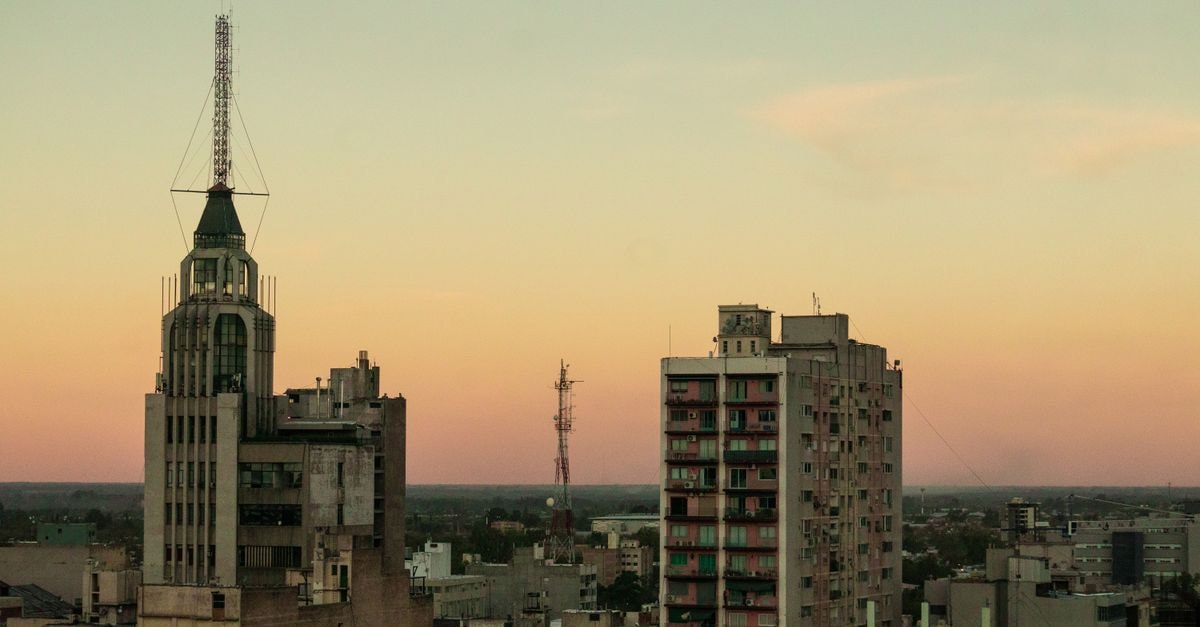
A quiet introduction to Argentina's oldest city

There is something immediately grounding about Santiago del Estero. Often described as the oldest continuously city in the country, it carries a slower rhythm that rewards travelers who arrive curious rather than rushed. The atmosphere tends to feel warm and unhurried, with leafy streets, a compact historic center, and locals who seem genuinely pleased to share their city. For visitors planning a trip through northern Argentina, Santiago del Estero works beautifully as a soft landing or a reflective pause between bigger adventures.
This guide focuses on what the approved sources actually confirm: how the climate tends to feel through the year, how to get around once you arrive, the green and cultural spaces worth building an afternoon around, and the food culture that gives the city its daily pulse.
Weather and seasonal context
Santiago del Estero sits in a region where warm-weather activities are part of the everyday rhythm, and tourism scoring suggests that the most pleasant stretches of the year tend to fall from mid-March through mid-May and from mid-September through early November. These windows are framed as general guidance rather than a fixed rule, because comfort in this part of Argentina often comes down to how you pace your day rather than the calendar alone.
Travelers used to thinking in four distinct European seasons will notice that the city tends to feel warm for much of the year, with daytime exploration generally working best in the cooler hours. If you are planning a longer stay, the shoulder stretches around those two windows are usually when the climate feels most cooperative for walking, sitting in the park, and lingering over a meal. A practical rhythm is to plan outdoor time for morning and late afternoon, and to retreat into shaded museums or shaded patios during the hottest hours.
Because this is an evergreen guide, specific monthly conditions are intentionally left out. The underlying message is consistent across seasons: pace your day, drink plenty of water, and let the climate shape your itinerary rather than fight it.
Getting around
Santiago del Estero is a manageable city to navigate, and the approved sources confirm a few practical entry points and everyday options. The airport serving the city is Santiago del Estero Airport (SDE), the rail connection runs through Santiago del Estero Train Station, and long-distance buses arrive at the Santiago del Estero Bus Terminal. Together, these three hubs cover the main ways travelers arrive from elsewhere in Argentina.
Once you are in the city, the local transport picture is straightforward. A network of buses and taxis provides convenient transportation within Santiago del Estero, which means you do not need a car to enjoy the central areas. For a city with a compact historic core and a walkable park, this combination often works well: walk for short distances between highlights, and use a taxi or local bus when distances start to stretch or the midday heat encourages you to shorten your route.
If you are arriving by train or bus and your accommodation is central, it is worth checking the distance to your hotel before arranging a transfer, because the central area is often close enough to walk with light luggage.
Parks, plazas, and planning your days
Santiago del Estero's green heart is Parque Aguirre, the city's main park and a space that locals treat as a true extension of their living rooms. It functions as the city's green lung and is widely used as a place of recreation, which gives it a friendly, lived-in feel rather than a manicured, tourist-only atmosphere. For travelers, this translates into a place where you can slow down, watch everyday life unfold, and join the locals in the simple pleasure of sitting under a tree. Bringing a book, a snack, or a willingness to people-watch tends to be the best way to enjoy it.
For a deeper cultural stop, the Centro Cultural del Bicentenario stands out as one of the most important cultural complexes in the wider Argentine context, and it houses three museums that are formed from the historic town hall, which was declared a Provincial Historic Monument in 1987. That single fact tells you a lot about the experience on offer: you are not just walking through galleries, you are walking through a building with real institutional memory. Visitors who enjoy layered spaces, where civic history and contemporary programming sit side by side, will find plenty to linger over here. The complex is the kind of place that rewards a slow visit, with time set aside to read the room labels properly rather than rushing through.
Together, Parque Aguirre and the Centro Cultural del Bicentenario make a natural pairing for a relaxed day. The park gives you breathing room and shade, and the cultural complex gives you context and a sense of place. They are the kind of highlights that anchor a Santiago del Estero itinerary without requiring you to rush between distant neighborhoods.
Food and local culture
Food in Santiago del Estero is framed locally as an expression of encounter and tradition, and the Mercado Armonía is presented as the heart of that culture. The market was created in 1936, which means it has been part of the city's daily life for almost ninety years, and it remains associated with authentic flavors and a sense of tradition that visitors are encouraged to explore.
What this means in practice is that Mercado Armonía is not just a place to eat, it is a place to listen. Markets like this tend to work best when you arrive hungry and curious, with the patience to wander between stalls, watch what is being prepared, and ask questions. Locals often appreciate visitors who treat the space as a shared cultural site rather than a quick photo stop. Travelers who enjoy slow travel will likely find that a couple of unhurried hours here reveal more about the city than any checklist of attractions.
The official Argentina tourism framing around food in Santiago del Estero emphasizes that the people of the city are waiting with dishes that celebrate encounter, and that the food is, simply, ready. That language is gentle but useful: it suggests a culture where hospitality and food are closely linked, and where sitting down for a meal is treated as a social moment rather than a fuel stop. Whether you choose a market counter, a casual neighborhood restaurant, or a longer sit-down meal, expect conversation to be part of the experience.
A practical note on budgeting: because the approved sources do not include specific menu prices or a confirmed daily spending range, this guide does not quote a fixed budget in numbers. Travelers should treat any local cost guidance as something to verify on the ground through the market itself, hotel front desks, or current official tourism channels before making decisions.
Putting it together
A few honest observations help tie this guide together. Santiago del Estero rewards travelers who come expecting a slower, more reflective experience than Argentina's larger capitals. The city's strongest anchors are its park, its flagship cultural complex, and its historic market, and they sit close enough together to be explored on foot with the help of local buses or taxis when needed. Climate-wise, the city generally feels warm for much of the year, and the most pleasant windows tend to align with the shoulder stretches of mid-March through mid-May and mid-September through early November, with comfortable pacing as the best everyday tool.
For independent travelers, the practical checklist is short: arrive through SDE airport, the train station, or the bus terminal; use buses and taxis to move around; build at least one afternoon around Parque Aguirre; set aside time for the Centro Cultural del Bicentenario; and let Mercado Armonía be a slow, social stop rather than a rushed errand. That combination covers the heart of the city without forcing it into a rigid schedule.
A final note on the nature of this guide. Travel conditions, including transport options, opening arrangements, and the day-to-day rhythm of markets and cultural sites, can change. Before departure, it is always wise to confirm details through official tourism channels, transport operators, and current local sources, so that the experience you plan on paper matches the city that greets you on arrival.
Prices, opening hours, schedules, reservation rules, and local conditions can change; verify them through official channels before departure.
Share this article
TOOLS FOR THIS PLAN
Make the Santiago del Estero plan measurable
Choose a tool only when it answers the next question in your trip. Your values stay in the browser, and each tool offers a route back to this planning context.