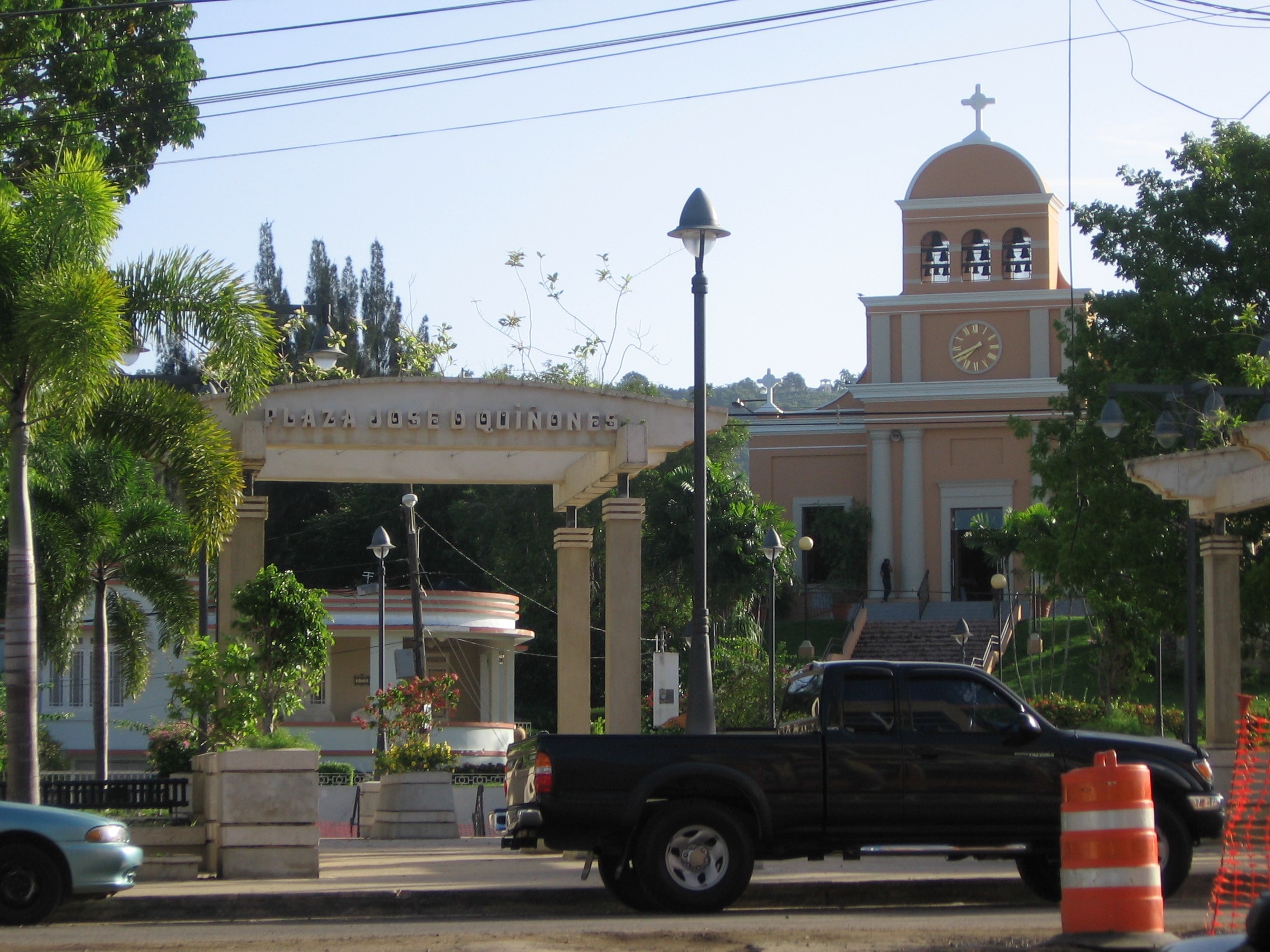
A regional capital with a slower rhythm

Santiago sits at the heart of Veraguas Province in the Republic of Panama, functioning as both the provincial capital and the seat of a district municipality of the same name. The city carries the easy cadence of a regional center rather than the rush of a coastal resort, and that relaxed tempo tends to be exactly what travelers are looking for when they choose to detour inland.
If you're the kind of visitor who prefers a quieter base to a packed schedule, Santiago's regional identity can feel like a refreshing change. Position it as a resting point between busier legs of a Panama trip, and the city's everyday rhythm has room to breathe.
Weather and seasonal context
Santiago lies in the central part of the country, and its climate follows the broader patterns that shape much of Panama's interior lowlands and foothills. Daytime warmth and a dependable chance of afternoon showers are part of the regional character, so light layers tend to be more useful than a heavy coat.
Because Santiago is a provincial capital set inland, the air can feel noticeably still compared with breezier coastal towns. Pacing the day around the heat of the early afternoon and saving walks or errands for the cooler morning and late afternoon can make exploring feel easier. Travelers who prefer a slower, indoor-leaning rhythm may want to embrace that rhythm rather than fight it.
There is no need to pin the city to a specific month in order to enjoy it; the practical advice is the same year-round. Pack a light rain layer, keep water handy, and let the day's tempo guide your plans.
Getting around
Santiago's role as the capital of Veraguas makes it a natural crossroads for the province. As the regional heart of Veraguas, the city is a common stopover for travelers moving through central Panama by road, whether they are continuing toward the Azuero Peninsula or arriving from elsewhere in the country.
Just outside the city, the cultural route toward Azuero opens up one of Panama's most expressive traditions. During Carnaval in Las Tablas, women swirl in hand-embroidered polleras while men tip their intricately woven sombreros pintados, an iconic display of Panama's folk costume tradition that travelers passing through this part of the country may encounter or hear about during their journey. Because this celebration is tied to the Lenten season rather than to Santiago itself, it is best understood as regional context that visitors may pass alongside rather than a Santiago fixture.
Within the city, the practical approach is to treat Santiago as a base where you can settle in on foot or by short local rides. Travelers who prefer a single, easy home base for a few days may find this layout more restful than constantly relocating, while those who plan to attend Carnaval on the Azuero Peninsula will want to confirm dates and transport well ahead of those rides.
Attractions and planning
Santiago is often described as a perfect resting place, and that simple framing is genuinely helpful for trip planning. Rather than racing through a packed list of sights, visitors can use the city as a calm hub between active stretches elsewhere in the country, returning each evening to a familiar, walkable center.
Because Santiago is the capital of Veraguas within the Republic of Panama, it also carries the practical amenities that come with being a provincial seat, from services and shops to local eateries that serve the everyday population. That infrastructure is part of what makes it such a comfortable place to pause.
One important note: this guide deliberately keeps planning light. Specific attractions, day trips, and reservations can change quickly, and a good general source cannot replace an up-to-date local check. Before relying on a particular outing, opening time, or service during your stay, confirm it through your hotel, a local contact, or an official Panama tourism channel.
Choosing what fits your trip
A few small tradeoffs can shape how Santiago works for you. If you prize a quiet, unhurried base over a packed sightseeing agenda, the city's regional-capital character lines up well with that priority, and you can lean into slower mornings and longer evenings at local cafés rather than chasing a checklist.
If you are interested in Panama's folk costume traditions such as the pollera and sombrero pintado, treating Santiago as a staging point toward the Azuero Peninsula during Carnaval season can turn the city into part of a broader cultural route. Travelers sensitive to holiday crowds may prefer to visit the Azuero side outside of Carnaval, when the cultural context is still felt in the regional air without the festival intensity.
If you are mapping the trip around central Panama's geography, Santiago's position makes it useful as a midpoint rather than a final destination, and packing for short transfers rather than long days helps the rhythm stay pleasant.
A note before you go
Factual travel conditions, including transport options, services, and local events around Santiago and Veraguas Province, can change over time. Treat this guide as a starting point, and confirm specific details such as schedules, prices, and openings through official Panama tourism channels or local contacts before you travel. Currency and exchange information, if relevant to your budget, should be verified against live rates on the day.
With those checks in place, Santiago offers something that is easy to underestimate: a genuinely restful place to pause, grounded in its role as the regional heart of Veraguas, and a useful anchor for a slower, more intentional stretch of any Panama trip.
Prices, opening hours, schedules, reservation rules, and local conditions can change; verify them through official channels before departure.
Share this article
TOOLS FOR THIS PLAN
Make the Santiago plan measurable
Choose a tool only when it answers the next question in your trip. Your values stay in the browser, and each tool offers a route back to this planning context.