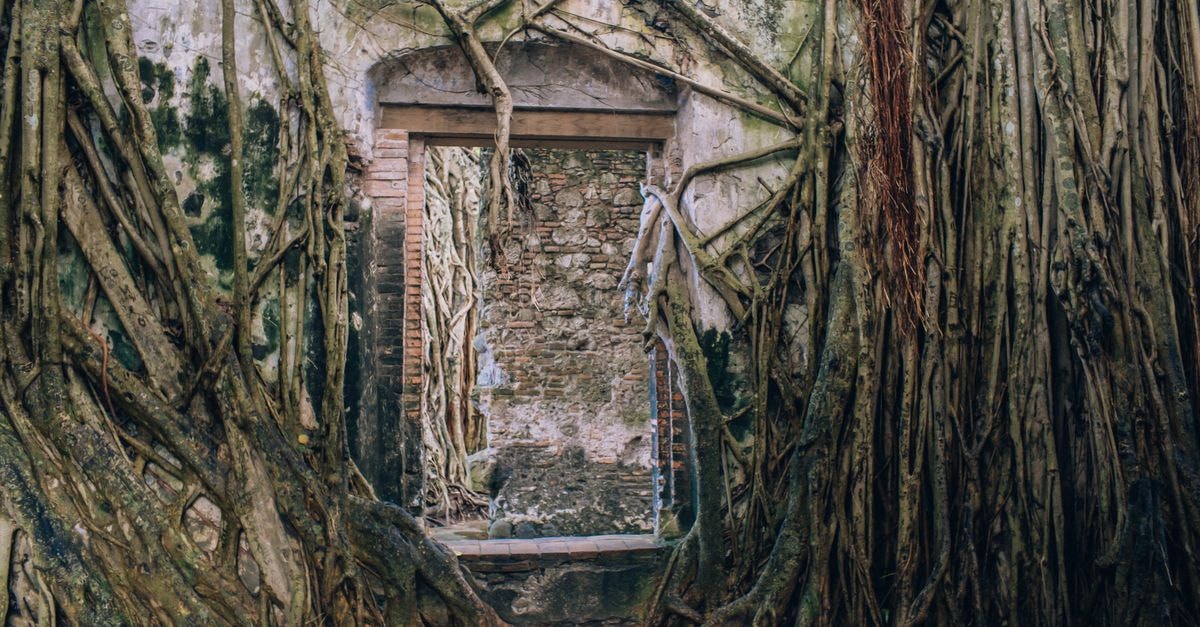
A first impression of Santo Domingo

Santo Domingo wears its long history lightly. Walk a few blocks and the city shifts from sun-bleached colonial facades to breezy seafront promenades, from quiet plazas to neighbourhoods humming with music. It has the feel of a place that is comfortable in its own skin, where the past is not so much preserved as lived in, and where a growing, cosmopolitan rhythm runs alongside the stone streets of the old centre.
This guide keeps things grounded and practical. It is built for travellers who want a clear picture of how the city is set up, what is worth prioritising once they arrive, and how the food and transport scenes actually work, without padding the picture with promises or assumptions.
Getting around
The main gateway is Las Américas International Airport, the city’s primary air arrival point and the first reference point for any journey into or out of Santo Domingo. From there, the simplest option for visitors unfamiliar with the city is to take a taxi. The local framing is straightforward: for travellers who do not know the city well, taxis are presented as the most convenient way to move between key points. That matters in a capital where addresses can be tricky to navigate on a first visit and where landmarks are sometimes easier to describe than to find on a map.
A few practical habits help. Confirming the fare or agreeing on a price before getting in is a sensible default in any unfamiliar city, and asking hotel staff or a host for a rough idea of typical fares between common destinations gives a useful benchmark. Travellers who plan to explore beyond a single neighbourhood should think in advance about how they will return in the evening, when tired feet and unfamiliar streets do not mix well.
Within the historic core, distances are short enough that walking is a natural complement to taxis, especially between the main plazas, the seafront and nearby parks. For longer hops, or for journeys from the airport, taxis remain the default for visitors.
Attractions and planning
Santo Domingo’s appeal rests on a balance of three things: a colonial heritage core, an urban energy that feels current, and a generous amount of open space. That combination is what gives the city its particular texture, and it is a useful way to plan a first visit.
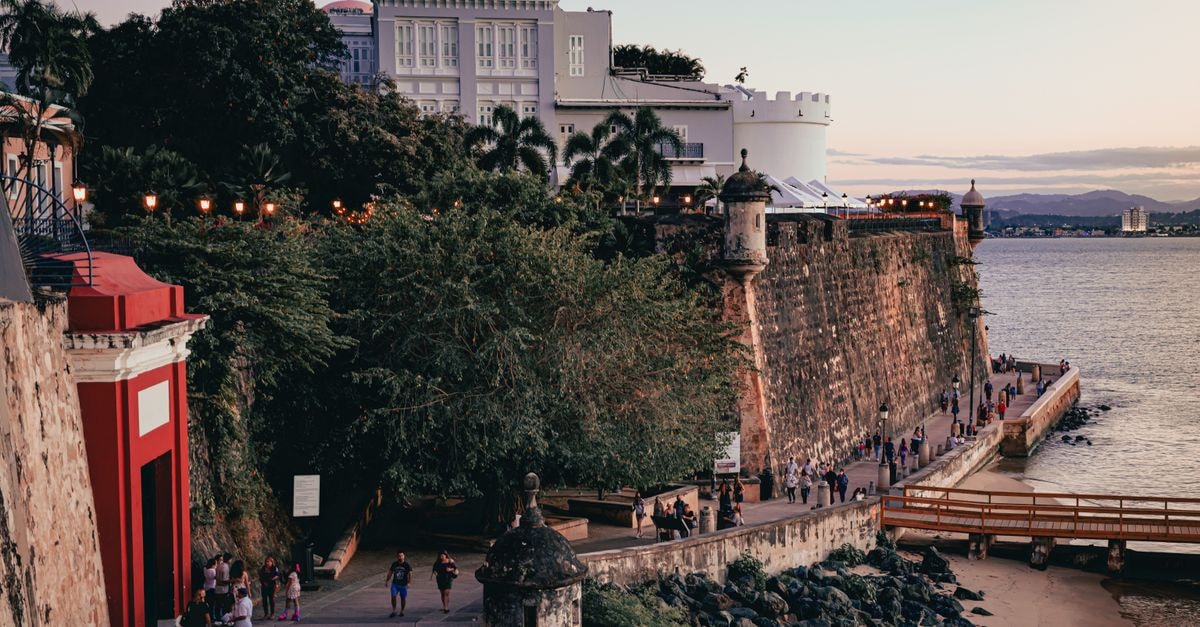
The anchor is the Colonial Zone, a UNESCO World Heritage Site. It is the part of the city where the layers of history sit closest to the surface, with plazas, churches and streets that have been walked for centuries. Allowing unhurried time here, rather than rushing through on a checklist, tends to reward visitors, because the pleasure of the Colonial Zone is in the small details: a doorway, a bench in the shade, a sudden view down a narrow lane.
Alongside that heritage, the city offers natural spaces that feel surprisingly close to the centre. Los Tres Ojos National Park is a notable example, an attraction that brings a different kind of scenery into a city itinerary and gives travellers a reason to step outside the stone streets for a few hours.
The Malecón runs along the Caribbean Sea, and the seafront itself functions as one of the city’s great open spaces. It is where locals go to walk, sit and watch the light change, and it doubles as a natural pause between heavier sightseeing blocks. Together, these pieces, the Colonial Zone, the parks and the seafront, sketch a city that manages to feel both rooted and outward-looking.
There are also smaller, more focused attractions that suit specific interests. The source material flags a particular stop that is described as a must for gemstone and geology enthusiasts, which is a reminder that Santo Domingo is not only about history and beaches. Travellers with niche interests often find a surprisingly specific match here, and it is worth scanning listings in advance for anything that lines up with a personal passion.
A sensible first-day shape, then, is to anchor on the Colonial Zone in the morning when the light is soft and the streets are quieter, step out to a natural site in the middle of the day, and finish along the Malecón as the temperature eases. That rhythm leaves evenings free for the dining scene, which has its own energy.
Food and local context
Santo Domingo has more restaurants than any other city in the Caribbean or Central America, and the local food scene is described as constantly reinventing itself within a cosmopolitan setting. For visitors, the practical takeaway is that there is no need to hunt hard for a meal: options are dense, varied and spread across the city.
The cuisine itself is framed as a vibrant tapestry of rich flavours and cultural influences, drawing on hearty stews, fresh seafood and tropical fruits. That description is a useful prompt to approach menus with curiosity rather than caution. Familiar ingredients appear alongside Caribbean staples, and the range tends to suit different appetites, from light seafood plates to more filling, slow-cooked dishes.
Within the wider Dominican Republic context that visitors will encounter while in the capital, the food culture tends to favour generous portions, shared plates and a relaxed pace. Meals often stretch longer than they do in some other capitals, and the line between a restaurant and a social gathering can be pleasantly blurred. Travellers who treat dining as part of the day’s experience, rather than a refuelling stop, usually get more out of it.
Because the restaurant scene is broad, a little research in advance pays off. Identifying a few neighbourhoods with concentrations of places to eat makes it easier to wander from one option to the next, and it keeps the evening flexible. For anyone with a specific craving, from seafood to tropical fruit desserts, the depth of choice in Santo Domingo means it is rarely hard to find a match.
A few last notes for visitors
A short, attentive approach suits Santo Domingo well. The city rewards travellers who plan loosely, leave room for the seafront or a long lunch, and treat the Colonial Zone as a place to be absorbed rather than ticked off. Transport is simple when you lean on taxis for what you do not know, and walking for what you do. The food scene is dense enough that a bad meal is harder to come by than a good one.
Factual travel conditions can change over time, so it is always wise to check official channels for the latest information on transport, opening hours and entry requirements before departure.
Verification note
Details in this guide reflect the approved source material at the time of writing. Visitors should confirm transport options, attraction access and any practical requirements through official channels before travelling, as conditions on the ground can shift.
Share this article
TOOLS FOR THIS PLAN
Make the Santo Domingo plan measurable
Choose a tool only when it answers the next question in your trip. Your values stay in the browser, and each tool offers a route back to this planning context.