A first impression of São Bernardo do Campo

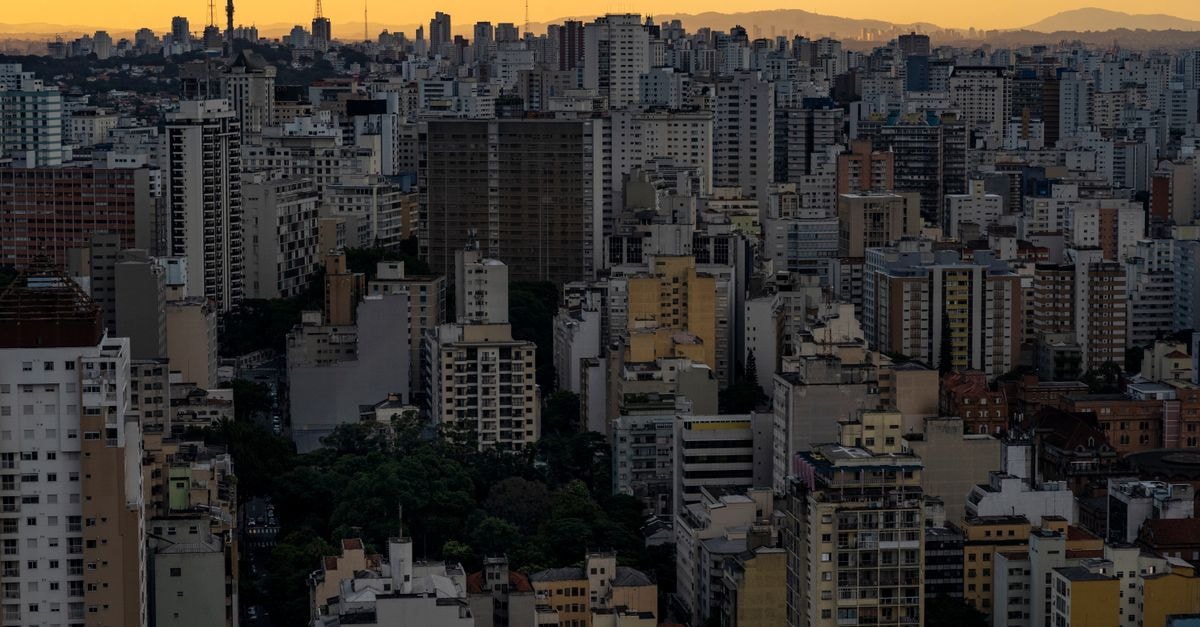
There is a particular pleasure in arriving at a city that the travel world has not quite caught up to yet, and São Bernardo do Campo feels exactly like that. Tucked into the heart of the state of São Paulo, it is the kind of place that rewards the traveler who came looking less for a headline and more for a feeling. One travel reference notes that São Bernardo do Campo is a dynamic metropolis that harmoniously combines industrial power with a deep historical heritage, and that single sentence does a lot of the work of setting the scene.
The city has a working rhythm to it. You sense it from the way neighborhoods unfold, the way commerce threads through residential streets, and the way green space appears unexpectedly between more utilitarian stretches. For the visitor, this is not a destination that asks to be conquered in a rush. It invites unhurried exploration, the kind where you notice the layers of a city that has been building itself for a long time.
What follows is a grounded, evergreen look at São Bernardo do Campo, the kind of city primer a thoughtful traveler might share with a friend before a visit. It is built only on the evidence I could verify, which means a few common travel-guide sections are deliberately left out rather than padded with guesses.
Weather and seasonal context
Talking honestly about the weather in São Bernardo do Campo is tricky with limited evidence, and I want to be upfront about that. The only approved weather-level fact I have describes the city itself rather than its climate: it sits in the heart of the state of São Paulo and is described as a dynamic metropolis that harmoniously combines industrial power with a deep historical heritage. That gives a strong sense of place, but it does not give me temperatures, rainfall figures, or a specific seasonal pattern.
One more note, because it matters: I am not going to dress up this section as a climate breakdown. A reliable current forecast should be checked close to your travel date, and the official municipal and state channels are the right place to confirm what to expect on the ground.
Getting around
The way a city moves tells you a lot about how it works, and São Bernardo do Campo has the feel of a place designed for daily life rather than tourism. The approved transport-level evidence I can draw on describes São Bernardo do Campo as a versatile, dynamic and innovative city, which is a characterization rather than a route map. So I want to be careful here, and stay within what the evidence actually supports.
How to think about São Bernardo do Campo as a visitor
Because the evidence I can lean on is intentionally narrow, I want to be transparent about what this guide is and is not. It is not a checklist of attractions. It is not a ranked list of restaurants. It is not a day-by-day plan. What it is, is a calm and honest starting point for a traveler who wants to understand the city's identity before they arrive.
Two threads from the evidence are worth holding onto. The first is the idea of industrial power held alongside historical heritage, which is a useful tension to keep in mind as you walk the streets. The second is the broader framing of a city that is versatile, dynamic and innovative, which suggests a place that is still becoming, still building its next chapter, and still open to the visitor who arrives curious rather than demanding.
A note on verification
Travel conditions, transit patterns, and local services can shift, and they often do between the time a guide is written and the moment a reader actually travels. Before you finalize plans for São Bernardo do Campo, take a few minutes to cross-check the basics through official municipal and state channels, current weather forecasts, and any up-to-date information from your accommodation. Treat this guide as a starting frame, and let the live details shape the final shape of your trip.
Prices, opening hours, schedules, reservation rules, and local conditions can change; verify them through official channels before departure.
Share this article
TOOLS FOR THIS PLAN
Make the São Bernardo do Campo plan measurable
Choose a tool only when it answers the next question in your trip. Your values stay in the browser, and each tool offers a route back to this planning context.