A small capital that rewards slowness

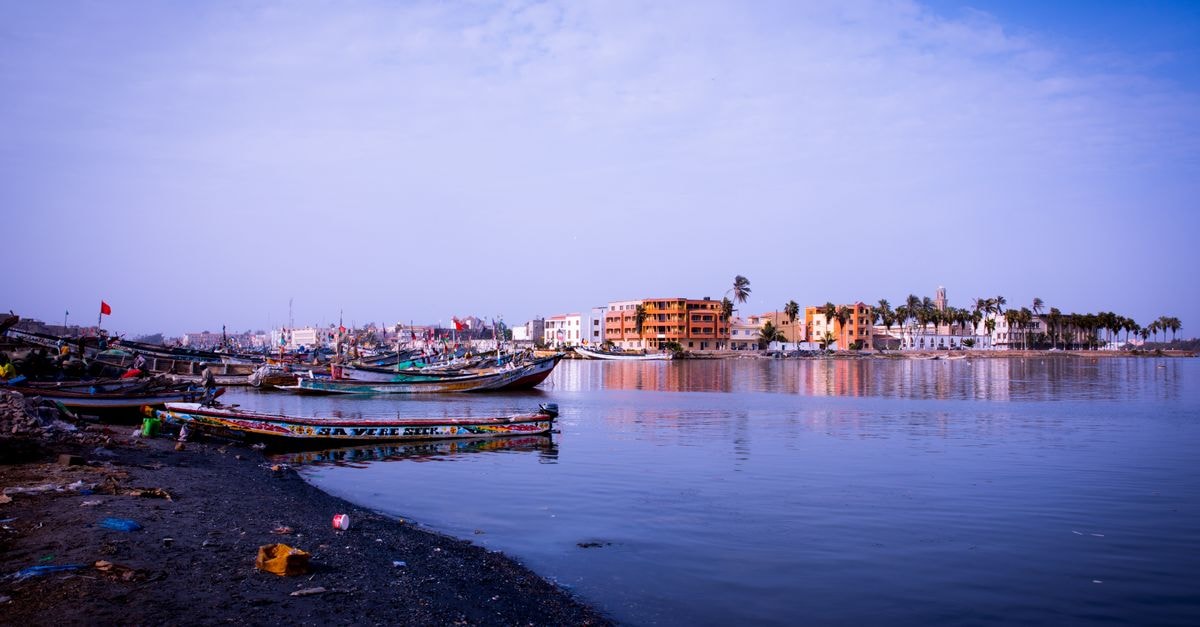
São Tomé is the kind of capital that asks you to slow down. It is the only real city on the islands, a waterfront settlement where Romanesque churches sit beside ornate colonial buildings, palm-lined boulevards meet pretty plazas, and the rhythms of daily life still set the pace. If you arrive expecting a checklist of big sights, you will leave underwhelmed. If you arrive expecting a chocolate-box capital with a soft Equatorial hush, you will probably want to extend your stay.
Because the city sits almost exactly on the equator, that single geographic fact shapes everything: the temperature rarely dips low, the rainfall pattern is the real calendar, and your wardrobe matters far less than your patience. The guide below leans on the practical details that actually shape a few days in São Tomé, from how you arrive and move around to what fills the table at the end of the day.
Weather and seasonal context
Weather in São Tomé is less about cold and heat and more about rain and rhythm. Temperatures sit in a comfortable equatorial band, with lows that can read surprisingly cool on paper but feel mild in person, while rainfall is the variable that genuinely shapes the day. Average rainfall in this part of the year can reach around 109mm, so a damp shower or two is part of the texture of any visit rather than a disruption.
What that means on the ground is that the surrounding wet months ease, the island's farms are busy, and visitors often stumble into local festivals and market rhythms without the gravana crowds. That phrase, gravana, refers to the short drier season that draws the most visitors, so stepping outside that window is a way to see São Tomé at a more local tempo. Pacing matters here. Plan for warm, humid days, the chance of a tropical downpour, and the kind of light that makes a colonial plaza glow right after the rain.
Getting around
São Tomé is small, and the simplest way to enjoy it is to give yourself permission to move slowly. A few practical details help the first 24 hours feel less like a logistics puzzle.
If you are arriving by air, it is worth stepping past the lone tout who tends to greet travelers at baggage claim and walking instead to the official taxi rank just outside the terminal doors. That short, deliberate walk tends to put you in a more predictable fare conversation and a clearly marked vehicle from the moment you land.
Many hotels offer free transportation services from the airport, which is one of the easiest ways to land softly, especially after a long flight. Confirming this with your hotel before you arrive means your first contact with São Tomé is a friendly face rather than a negotiation.
For days when you want to explore beyond walking distance, cars can be booked through rental agencies' websites, a travel agent, or directly upon arrival at the airport. That flexibility matters on an island where a single road can take you from a colonial capital into rainforest and back to a coastal curve in a single afternoon.
Attractions and planning
The capital itself is a pleasure to wander. Think of it as a small, walkable archive: beautiful Romanesque churches, ornate colonial buildings, palm-lined boulevards and pretty plazas that reward a slow morning stroll and a long afternoon coffee. Because it is the only real city on these islands, it carries the weight of the country's civic and architectural history in a surprisingly compact footprint.
When the urge for sand strikes, Praia Piscina is widely described as one of the best beaches on São Tomé, and it has the kind of clear, calm water that suits anyone who wants to do very little for a few hours. Treat it as a soft complement to the capital rather than a replacement for it: a beach morning, a slow lunch, and an evening back among the plazas tends to feel like the most rewarding shape for a day.
A note on planning: there is no need to over-schedule São Tomé. The city rewards a light itinerary, a willingness to repeat a favourite plaza, and the humility to leave time open for the kind of conversation, market stall or weather shift that turns a trip into a memory.
Food and local context
Food in São Tomé and Príncipe tells a layered story. The wider national cuisine has been influenced by African, Portuguese, and Brazilian traditions, which is a useful frame for visitors who want to understand why a single meal can feel like a small atlas. Local specialties often center on fish, slow cooking, and the patient layering of greens.
Calulu, a slow-stewed fish dish, is widely considered the national dish. Fish calulu, sometimes written Calulu de Peixe, is built by slowly stewing fish with vegetables such as okra, spinach and eggplant, which gives it a deep, earthy character that rewards hungry travelers after a day of walking. As a São Tomé and Príncipe dish that visitors may well encounter while in the capital, it is a useful thing to recognize on a menu and a generous thing to order.
Because every restaurant sets its own menu and pace, it is worth treating meals as one of the more interesting parts of any visit rather than something to schedule tightly. Ask what is fresh that day, accept the stew if it appears, and give yourself the room to linger.
A short verification note
Factual travel conditions, including transport availability, hotel services, festival dates and menu offerings, can change. Before departure, it is sensible to confirm details with your hotel, your airline, official transport providers or a current local source so the trip you take matches the city you arrive in.
Prices, opening hours, schedules, reservation rules, and local conditions can change; verify them through official channels before departure.
Share this article
TOOLS FOR THIS PLAN
Make the São Tomé plan measurable
Choose a tool only when it answers the next question in your trip. Your values stay in the browser, and each tool offers a route back to this planning context.