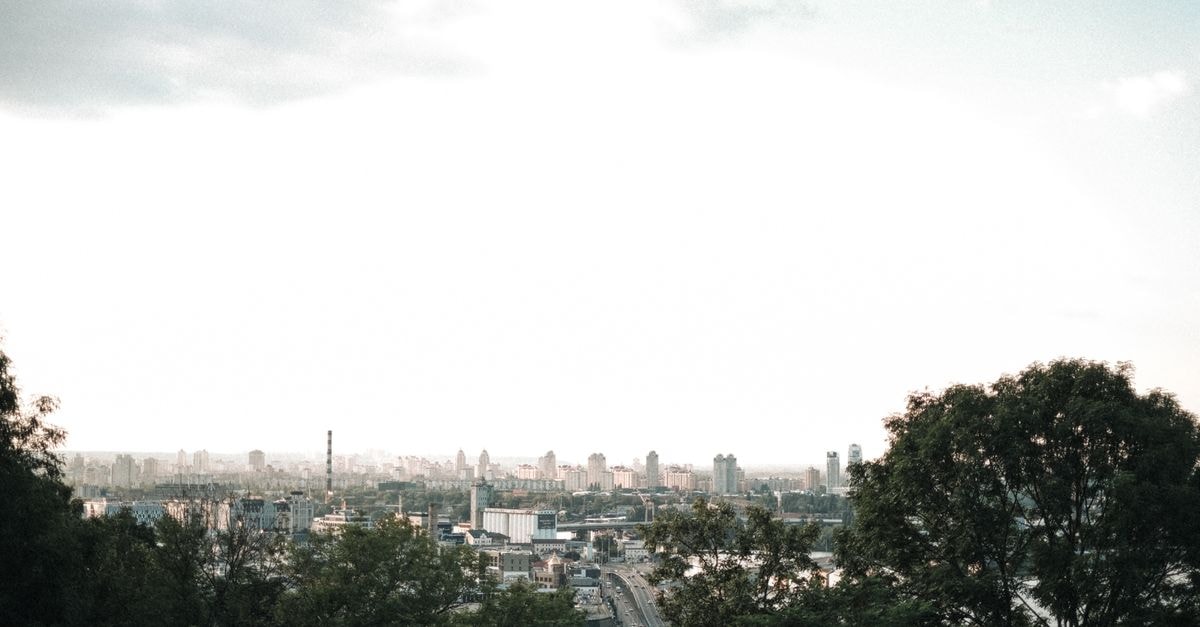
Setting the scene in Saransk

Saransk sits quietly at the heart of the Republic of Mordovia, a regional capital whose scale feels more like a large town than a sprawling metropolis. Most travellers arrive with modest expectations and leave remembering unhurried streets, generous conversations over tea, and a compact centre that rewards walking rather than rushing. The city reads as a place where regional identity still shapes everyday life, and where visitors who slow down tend to notice more than those racing between sights.
What makes Saransk work as a destination is precisely this smallness. You do not need a packed itinerary or a long list of headline attractions to feel oriented. Instead, the rhythm of the day — a slow breakfast, a walk through central streets, an afternoon tea, an unhurried dinner — tends to set the tone. For travellers who enjoy getting a sense of how a Russian regional capital actually lives, rather than ticking off monuments, Saransk offers that kind of texture.
Because the city is compact, planning is less about logistics and more about tempo. Knowing a few practical details in advance — how to reach the centre from the airport, what kind of dining scene to expect, and what kind of seasonal weather patterns shape daily life — helps you arrive with the right mindset rather than a long checklist.
Weather and seasonal context
Saransk's climate shapes the way a visit feels, even if you arrive without strong expectations about the season. The city is used as the reference point for weather data across the Republic of Mordovia, which means forecasts and climate overviews you may read before travelling are typically anchored here. That can be reassuring: the information you find is genuinely local rather than borrowed from a larger neighbouring region.
Rather than thinking in terms of a single perfect month, it helps to think about how each season shifts the rhythm of the city. Long winter days invite indoor pacing — cafés, restaurants, museums, and long meals — while the warmer months open the city up for walking and lingering outdoors. Because Saransk is a regional capital rather than a major tourist hub, seasonal weather is something you move through as a visitor, not something the city is built around. Packing layers and allowing space in the day for a slower pace when conditions feel demanding is generally a sensible approach.
Getting around
Saransk's airport sits a short distance from the city centre, and reaching the centre is straightforward once you know the basic options. The most direct public transport link is line 7, which runs between the terminal area and the city, departing from the Sportkompleks Mordoviya stop a few minutes from the terminal building. Minibus route 15 also serves the same stop, giving arriving travellers a second option depending on timing and preference.
For visitors heading onward to the rail network, route 29 connects the airport area to the city's main train station. That makes it possible to move between air and rail on a single ticket system without arranging a private transfer, which is useful if you are continuing your journey beyond Saransk or arriving from another Russian city by train.
Within the city itself, the compact centre means many of the places you will want to visit are reachable on foot. The main reward of arriving in Saransk is being able to walk at an easy pace between streets, squares, and dining spots rather than treating every movement as a journey, with the airport's public transport links serving as the practical connection between the terminal and the centre.
Food and local context
Saransk's dining scene is modest in size but richer in character than you might expect from a regional capital. Restaurants range from simple Soviet-era canteens — places where the menu is short, the portions are honest, and the atmosphere is unpretentious — to more polished bistros serving contemporary versions of regional dishes. That range is part of the appeal: you can eat quickly and cheaply when you are on the move, or you can settle into a slower meal when you want the full experience.
For travellers with dietary preferences, the simpler canteen-style places often make it easy to see exactly what is on offer, while the more modern bistros tend to be flexible once you ask. Either way, allowing time for conversation after a meal is part of how the dining scene works, not an obstacle to it.
Planning your time
Saransk rewards a short visit used well rather than a long visit stretched thin. A practical approach is to plan in halves of days rather than in strict hourly blocks: a morning for orientation and walking, an afternoon for a slower meal and a rest, and an evening for dinner and a final walk through the lit centre. That structure leaves room for weather, fatigue, and the unexpected conversations that often arise in smaller Russian cities.
A note before you go
Travel conditions change over time, and details that are accurate when this guide is written — transport routes, seasonal weather patterns, and the general shape of the dining scene — can shift. Before departure, it is worth checking official transport information and current local guidance so that your plan reflects the city as it is when you arrive rather than as it is described here.
Factual travel conditions can change, and official channels should always be checked before departure.
Share this article
TOOLS FOR THIS PLAN
Make the Saransk plan measurable
Choose a tool only when it answers the next question in your trip. Your values stay in the browser, and each tool offers a route back to this planning context.