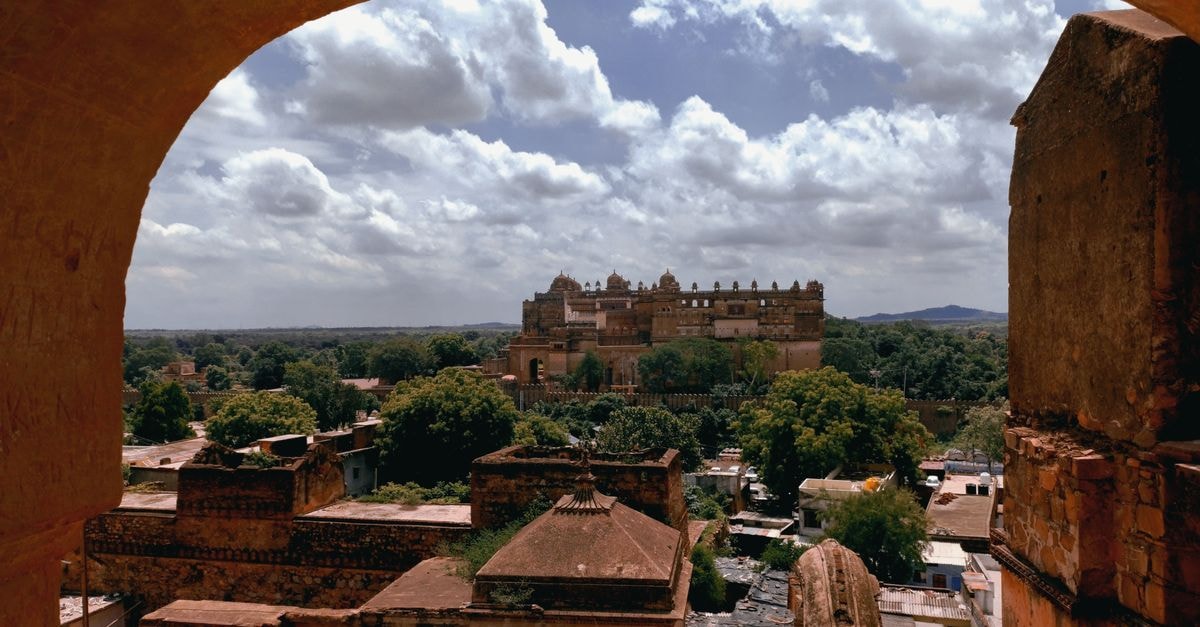
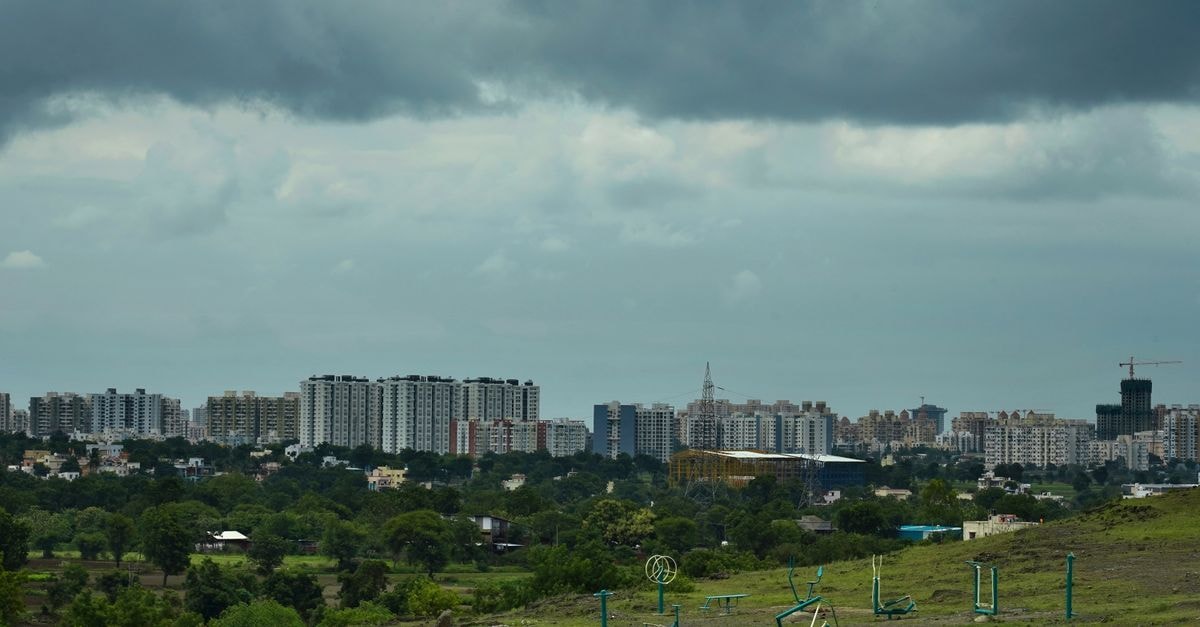
A first look at Satna

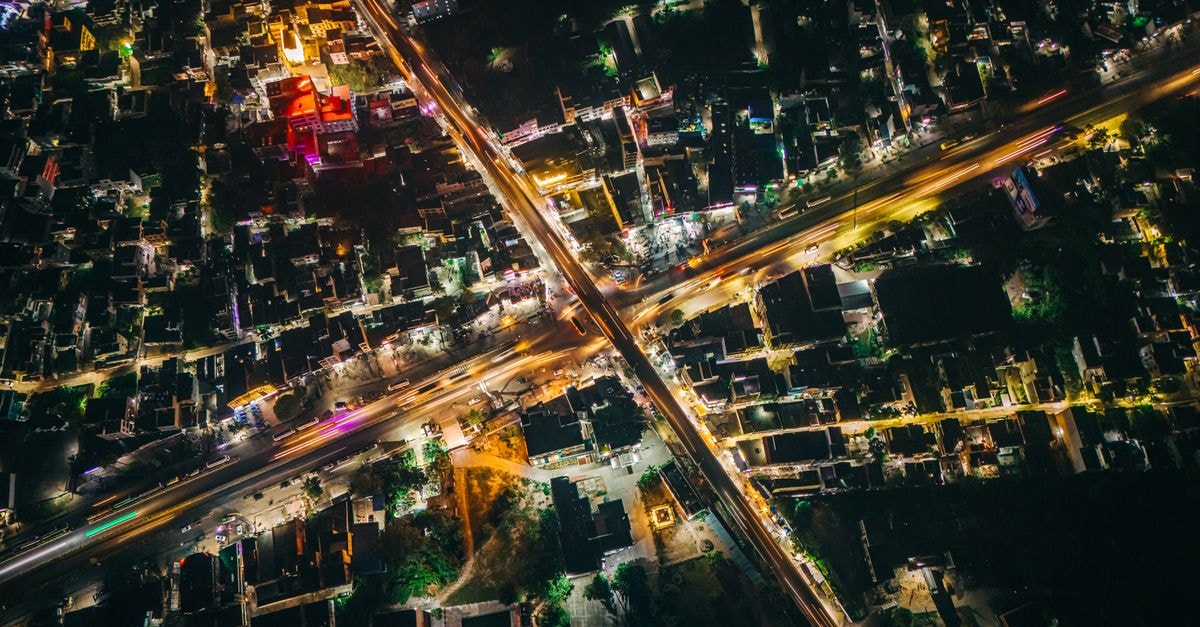
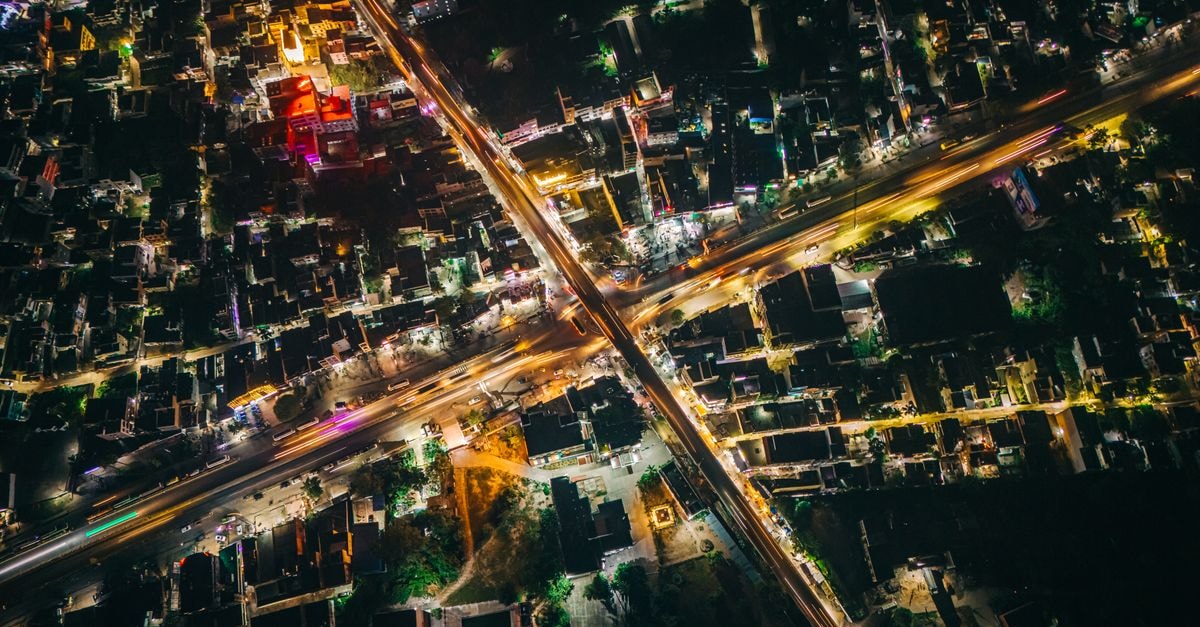
Satna sits in the eastern part of Madhya Pradesh and carries the easy rhythm of a small Indian city that has lived for centuries around devotion, trade routes, and the surrounding countryside. Travelers who pass through often come for the religious atmosphere, the sense of layered history, and the feeling of being slightly off the standard tourist trail. The city and its adjoining towns are home to many sacred temples, which bring out a deep devotional experience and evoke religious fervor among devotees and tourists alike.
What makes Satna feel distinct is the way its spiritual identity wraps around the everyday. Bells ring from shrines tucked into lanes, and the broader Madhya Pradesh landscape around it has long been part of India's mythological and pilgrim geography. For visitors, it is less a checklist city and more a place to settle into a slower pace, visit a few temples respectfully, and use as a base for the cultural sites that lie within the district.
Weather and seasonal context
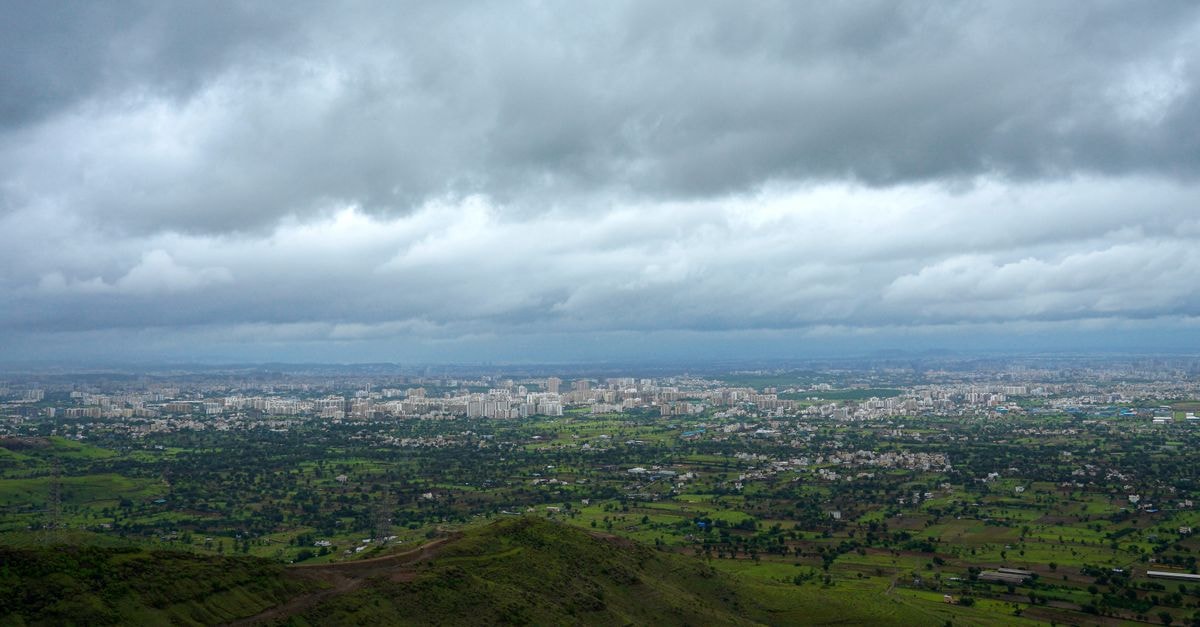
Satna falls within the broader climate pattern of central India, where summers can feel intense, the monsoon reshapes the landscape, and the cooler months bring clearer skies for walking between temples. Because the city is described as a treasure trove of religious and mythological memoirs and a place where history echoes and spirituality soars, the experience of being outdoors matters. Mornings and early evenings are often the most comfortable windows for unhurried visits, while the middle of the day can feel warmer and slower paced.
For a heritage-focused visit, layering up for cool early starts and carrying water for hotter hours is a sensible approach. Travelers who prefer a gentler pace may find that spreading temple visits across the cooler parts of the day rather than rushing through a long list helps the trip breathe. Seasonal conditions can shift year to year, so checking a current local forecast before you travel is always a wise habit.
Getting around
Satna's transport story is best understood in two layers: how you reach the city, and how you move within and around it once you are there. Long-distance travel into this part of Madhya Pradesh is usually planned through nearby rail and air hubs rather than directly into the city itself. From Satna, travelers often connect outward to larger circuits. Sample routing notes, for example, suggest that a journey toward North India can begin with a roughly 17-hour train ride from Satna, or by air with around five hours of flying time, and a recommended flight path involves flying Jabalpur (JLR) to Delhi (DEL) and then onward to Dehradun (DED), with a typical leg of about three hours.
Within the city and its surroundings, the religious geography is the main reason people move around. The city is also famous for housing various religious sites, and visitors tend to weave between temples, small shrines, and market lanes on foot or by short auto rides. Because the destination is not always tied to one single landmark, allowing flexible time between stops usually makes the day feel calmer.
Just outside the city, the small town of Bharhut holds a collection of rich Buddhist cultural heritage, which is one of the most compelling reasons heritage-minded travelers make time for Satna at all. Planning the day around a calm morning in the city, a visit to a temple or two, and an unhurried look at the Bharhut collection can give the trip a natural shape without overloading any single day.
Food and local context
For travelers, that wider context translates into a few practical things to keep in mind while eating in and around the city. Meals are often a social moment, vegetarian options are widely available in temple towns, and it is common to eat with the right hand in traditional settings. Street stalls near busy temple areas can be lively and rewarding, but choosing busy vendors with freshly cooked food is generally a safer bet than quiet stalls.
If you prefer a quieter meal, many small restaurants and sweet shops around the city serve thalis and local Madhya Pradesh staples through the day. Travelers who enjoy exploring regional food culture may want to ask locally about seasonal sweets and prasad offerings tied to nearby temples, since these often reflect the area's devotional rhythm rather than any single signature dish.
Choosing what fits your trip
Satna works best when travelers decide what kind of experience they want before they arrive. Heritage-focused visitors may want to slow down, prioritize the Buddhist remains at Bharhut, and leave generous space for temple visits without overloading any single day. Pilgrimage travelers may prefer to build the trip around specific shrines and time their visits around morning or evening aarti rhythms. Anyone using Satna as a waypoint on a longer Madhya Pradesh or North India circuit should plan around the longer transport legs, especially the roughly 17-hour train journey or the multi-leg flight via Jabalpur and Delhi.
Practical notes before you go
Because Satna is a small city with a strong devotional character, modest clothing is appropriate when visiting temples and religious sites. Confirming temple opening hours and any local festival timings in advance can help you avoid arriving during closures or peak crowd hours. For Bharhut and other heritage spots, it is worth checking ahead whether any conservation work or access rules affect visits, since heritage sites in India can occasionally have adjusted timings. Currency, transport schedules, and on-the-ground conditions can all change, so treating any planning notes as a starting point rather than a guarantee is the safest approach.
Factual travel conditions in Satna can shift, and official channels such as local tourism offices, transport providers, and current weather services should always be checked before departure.
Share this article
TOOLS FOR THIS PLAN
Make the Satna plan measurable
Choose a tool only when it answers the next question in your trip. Your values stay in the browser, and each tool offers a route back to this planning context.