A slow look at Seattle

Some cities greet you with a wall of noise. Seattle tends to slip up on you instead. Set between the wide, glittering reach of Puget Sound and the snow-tipped shoulders of the Cascade Mountains, the city has a layered geography that quietly shapes how a day unfolds, and the downtown core stays compact enough to read on foot without feeling rushed. There is a particular rhythm here that rewards people who like to wander, look up at the skyline, and then drift into a market hall or a quiet side street without a hard plan. This guide leans into that feeling rather than chasing a checklist, pulling together what is genuinely useful to know before you arrive and what you can leave to chance once you do.
Weather and seasonal context
Talk to anyone who has spent real time in Seattle and they will tell you the light changes the city more than the temperature ever does. The evergreens that earn the place its Emerald City nickname stay green year-round, but the deciduous trees tucked among them shift through reds, yellows, and oranges as the calendar deepens, splashing warm color across parks, residential streets, and shoreline paths. That change of palette is one of the most photographed and quietly loved features of the city, and it tends to catch visitors off guard precisely because they were not expecting any color at all.
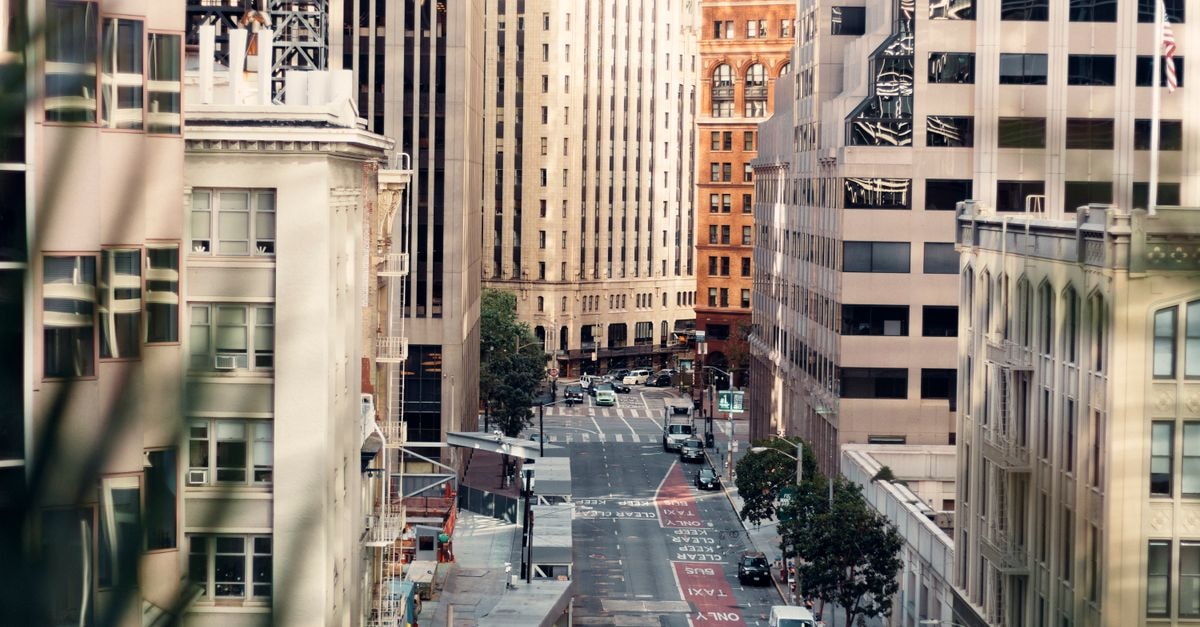
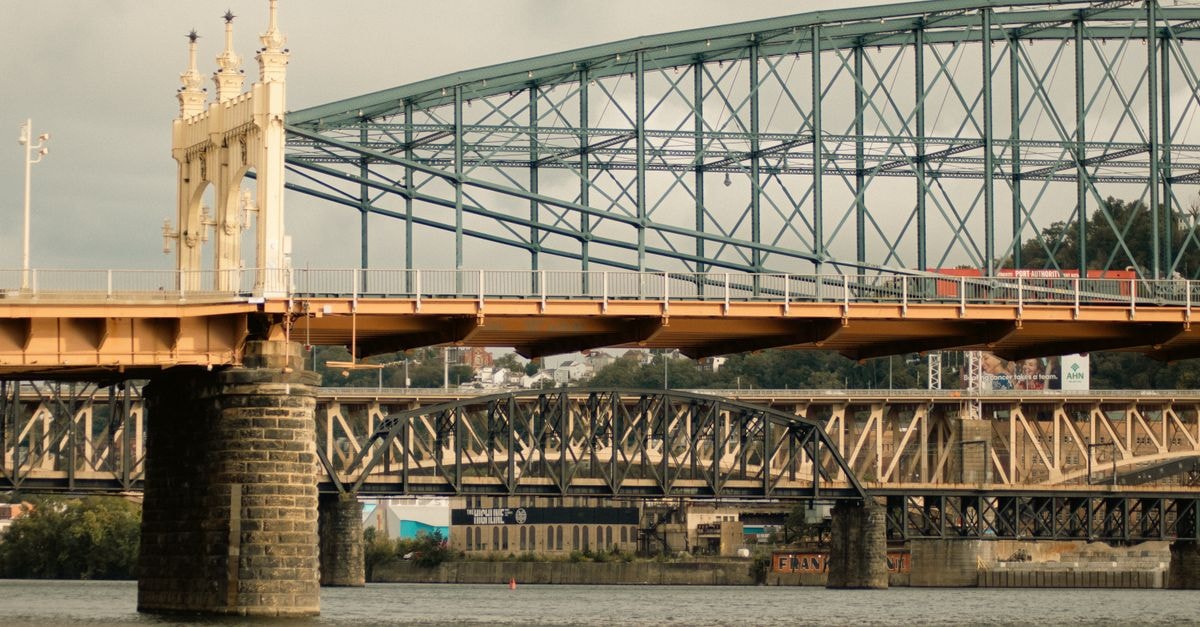
The other surprise is the quality of the light itself. The way late-day sun slants across the waterfront and the glass towers downtown tends to make golden hour feel especially vivid here, as though the whole cityscape is gently lit from within. Photographers and casual phone-shooters alike tend to find that familiar landmarks look slightly different in this softer, angled light, and that even an ordinary walk along the water can turn into the best image of the trip. Travelers who prefer gentler daylight for sightseeing, or who like to build their day around long, slow evenings rather than peak midday sun, may find this quality of light particularly rewarding.
Getting around
Seattle's downtown reads easily on foot, especially along the waterfront and through the dense blocks that hold the city's most recognizable landmarks, including Pike Place Market and the Space Needle. The street grid feels intuitive, the sidewalks are wide, and the distances between major points of interest are short enough that a leisurely walker can cover a lot of ground without thinking of it as a hike. The setting itself does half the orientation work: sparkling water to the west, mountains rising to the east, and a downtown skyline that acts as a constant visual landmark.
Beyond the core, the city is also laced with quieter discoveries that reward a slightly slower pace. One of the more whimsical things to look out for as you move through different neighborhoods is a series of large, inventive troll sculptures by Danish environmental artist Thomas Dambo. Built from recycled materials, these pieces have a worldwide following and tend to draw curious visitors into parts of the city they might otherwise walk past. Spotting one can turn an ordinary transit transfer or short ride into a small detour worth remembering.
Food and local context
The practical move is to treat meals as part of the exploration rather than a break from it. Grab something to eat at a counter while you watch the vendors at work, linger over coffee at a place where locals actually read, or sit down for a longer meal when you want to slow the day down. Because the downtown core and surrounding neighborhoods each have their own character, letting your route shape your menu usually beats pinning down every meal in advance.
Travelers who like to balance structured sightseeing with unplanned wandering may want to leave at least one meal open for discovery. Travelers with stricter budgets can keep things simple by leaning on market counters and casual cafés, where a sit-down experience is rarely required and the variety makes it easy to share a few small plates between people.
Picking what fits the way you travel
A few choices tend to shape how Seattle actually feels day to day. If you are drawn to scenic light and reflective wandering rather than a packed schedule, build your days around the waterfront and the softer afternoon hours, when the angled light does most of the visual work. If you would rather use food and neighborhood walks as your main thread, choose one or two districts to return to instead of trying to crisscross the whole city each day. If public art and small surprises sound appealing, leave space in your route for the troll sculptures and similar pieces; they tend to appear in the neighborhoods you pass through rather than at a single address. None of these choices cancel the others out, and the city is forgiving enough that you can mix approaches without losing your footing.
Before you go
A handful of details are worth checking on the official Visit Seattle site and current city resources before departure, since travel conditions can shift: up-to-date transportation options and ticketing for major landmarks, weather forecasts for the days you will be in town, and any neighborhood-specific guidance for the areas you plan to explore. Treat this guide as a feel for the place, and confirm the checkable details closer to your trip.
Factual travel conditions can change without notice. Always verify hours, prices, accessibility, and reservation policies through official channels before you travel.
Share this article
TOOLS FOR THIS PLAN
Make the Seattle plan measurable
Choose a tool only when it answers the next question in your trip. Your values stay in the browser, and each tool offers a route back to this planning context.