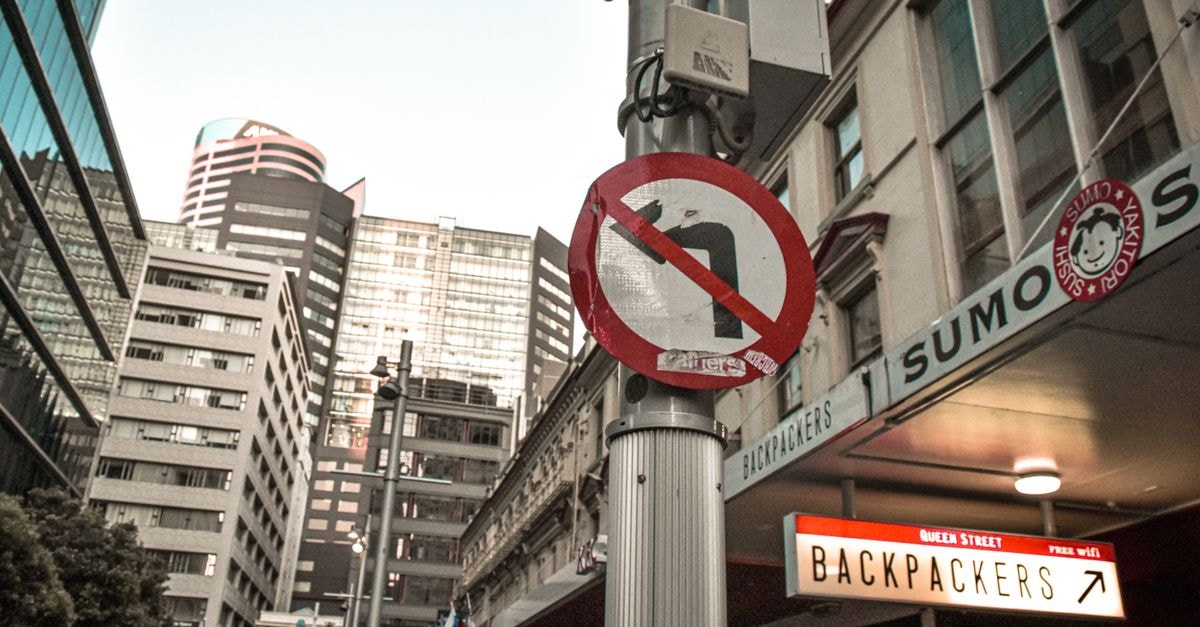
A small Selangor neighborhood worth slowing down in

Tucked into the northern edge of the greater Kuala Lumpur conurbation, Selayang Baru Utara sits within the Gombak district of Selangor. Travelers often pass through this part of the region on their way to the limestone hills and cave temples further north, and the suburb itself has the relaxed, lived-in feel of a Malaysian residential town rather than a polished tourist hub. That everyday character is part of the appeal: mornings tend to move at a gentle pace, the streets are a mix of shophouses, modest terrace homes, and small businesses, and the rhythm of the place follows the routines of the people who actually live there.
This guide is written for independent travelers who like to read a place before arriving, prefer practical context over hype, and want a small set of durable pointers they can trust. Because the available evidence focuses on weather patterns, on-the-ground connectivity, and the wider Malaysian food culture that travelers will encounter, the focus below is narrow and honest rather than panoramic. Treat it as a starting brief, then verify any details that matter to your specific plans before you travel.
Weather and seasonal context
The climate in this part of Selangor is shaped by Malaysia's two main monsoon seasons, which frame the year in distinct wet and drier stretches rather than a familiar four-season cycle. For visitors, that practical means rain is always a possibility, and a compact umbrella or light rain jacket belongs in any day bag. The hills to the north can also catch passing showers that do not always reach the lowlands, so a partly cloudy morning does not guarantee a dry afternoon.
Because rainfall here tends to arrive in short, intense bursts rather than long gray days, most plans can still move forward with a little flexibility. If you prefer photographing in soft, even light or walking without a jacket, the windows between showers can feel especially rewarding. Travelers who dislike humidity may want to plan more demanding outdoor segments for early morning, pace themselves through the middle of the day, and save indoor stops for the hottest hours. None of this requires a specific calendar date to apply; it is a year-round rhythm that rewards a relaxed schedule.
Getting around
For visitors who want to stay reachable on the ground, purchasing a local SIM card is the most economical way to communicate and access data, which makes everyday tasks like loading maps, checking weather, and staying in touch far simpler during a stay. Travelers who prefer to keep navigation and translation tools running smoothly throughout the day may find that having constant data connectivity is the single most practical step they can take before exploring the neighborhood on foot or by short hops between nearby points of interest.
Food and local context
Selayang Baru Utara sits inside a country whose food culture is famously varied, and visitors will sense that variety the moment they start eating. Malaysia is often described not as a melting pot but as a mosaic, and that image travels well into a plate of food, where Malay, Chinese, Indian, and many other traditions sit side by side rather than blended into a single style. Within Selayang Baru Utara, that wider context is what shapes everyday meals, from breakfast stalls to late-evening options.
Food here is also one of the main reasons people travel to Malaysia in the first place, and knowing even a little about the country's culinary landscape helps visitors read menus and approach new dishes with more confidence. Hawker-style meals, rice and noodle dishes, and shared plates are common forms, and the same meal can look very different from one state to the next. Travelers who enjoy exploring through eating may want to leave room in the day for a slow breakfast, a mid-afternoon snack, and a more deliberate dinner, since the rhythm of eating across the country tends to unfold in several small courses rather than a single heavy sitting. If you have specific dietary needs, it is worth learning the relevant local terms in advance, because most stalls and small eateries expect you to order directly and clearly.
A note before you go
The practical details in this guide are based on durable, evidence-backed patterns rather than live conditions. Weather shifts, transport routes, and food options can all change, so it is always worth checking official channels and current sources for the latest updates before you travel. Treat this article as a starting brief, not a final itinerary, and let what you learn on the ground shape the rest of your trip.
Share this article
TOOLS FOR THIS PLAN
Make the Selayang Baru Utara plan measurable
Choose a tool only when it answers the next question in your trip. Your values stay in the browser, and each tool offers a route back to this planning context.