A first look at Sensuntepeque

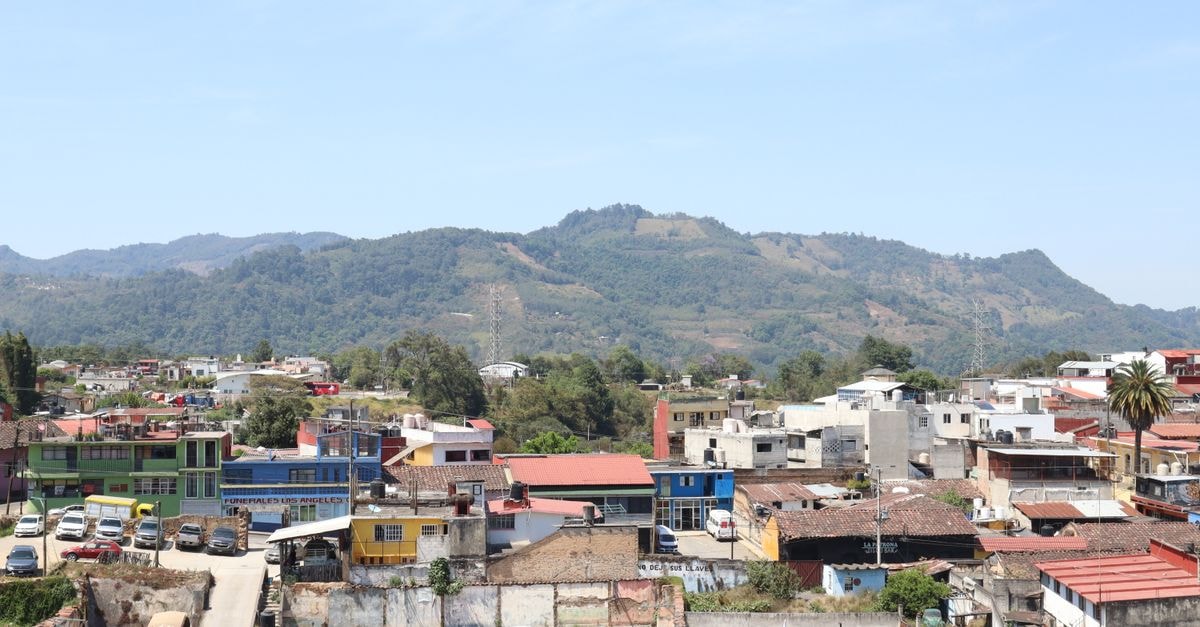
This is not a city of grand monuments or curated itineraries, and that is part of its charm. Sensuntepeque rewards visitors who arrive with a sense of curiosity and a willingness to adjust their expectations. Think of it as a hill town base rather than a checklist destination, and the visit tends to unfold in a much more natural way.
Weather and seasonal context
The single most useful thing to know about Sensuntepeque before you pack is that it sits above 800 meters of altitude, in a country whose coast and lowlands can feel quite warm and humid. That elevation translates into noticeably fresher evenings than you might expect in the broader country, and travelers often find that a light jacket earns its place in the bag even on days that start out mild. The inland hills hold their temperature a little longer once the sun drops, so evenings can feel cooler than the daytime suggests.
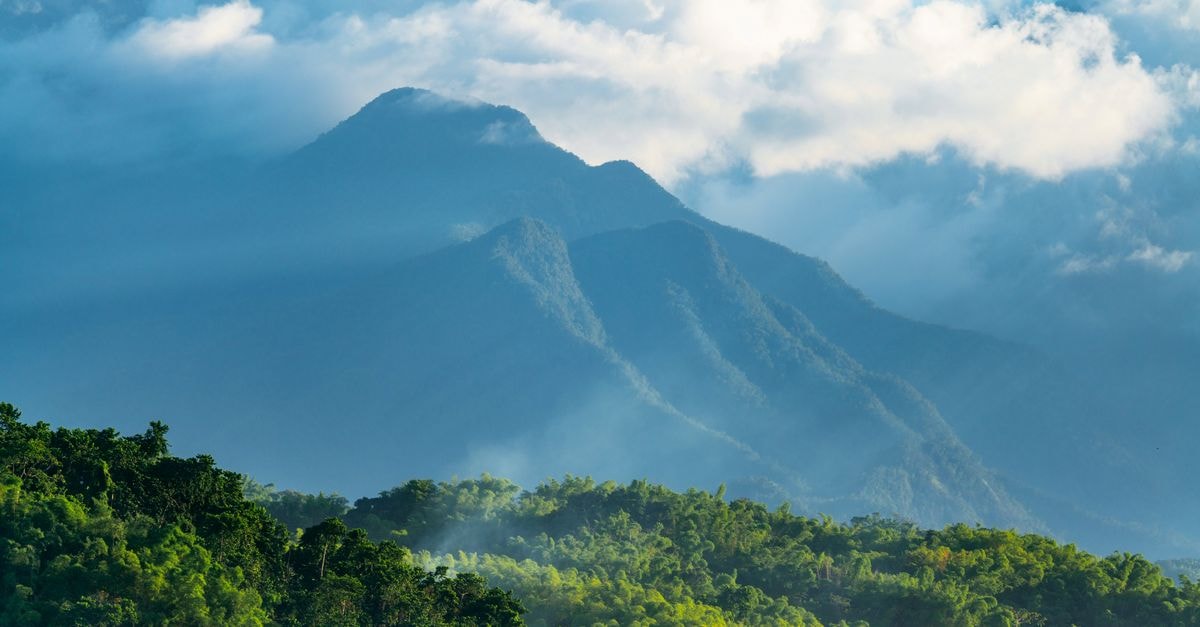
Because Sensuntepeque is the principal town of Cabañas and the department's capital, weather information is generally easier to find for the city itself than for the smaller communities in the surrounding hills. That said, the name itself is a reminder of the local geography: "Sensuntepeque" literally refers to the many hills in the region, and anyone stepping outside at golden hour will see exactly why. The combination of higher altitude and rolling terrain creates its own micro-mood, and it is worth planning your day around the way the light moves across those hills rather than around any single landmark.
A practical rhythm to keep in mind is to use the brighter hours for walking and exploring, and to plan a slower evening once the temperature begins to dip. Layering is your friend, especially if you are coming from the coast or from San Salvador, where conditions can feel very different. A small daypack with a light layer, water, and a way to navigate back to the center of town tends to serve visitors well.
Getting around
Sensuntepeque is a municipality and town within the department of Cabañas, which means it functions as a small administrative hub for the surrounding area. Getting oriented is usually straightforward, because the town is compact enough to cover on foot once you arrive, and the surrounding landscape of hills makes it easy to keep your bearings. The streets follow the contours of the terrain more than a grid, so a paper map or an offline map on your phone is helpful when you first arrive.
The town is also positioned relatively close to the Honduran border, in the country's northern highlands. That geographic position shapes the feel of the place: it is the kind of inland hub where regional traffic, local commerce, and everyday life intersect in a way that feels lived-in rather than performative. For travelers arriving from San Salvador or from further afield, the most useful framing is to treat Sensuntepeque as a base for exploring Cabañas department rather than as a transit point, and to give yourself time to settle in before heading out to the surrounding hills.
If you are continuing onward after Sensuntepeque, the town's role as the departmental center means there are usually transport links radiating out to nearby communities. It is worth confirming current schedules and routes on the ground once you arrive, since small-town transport in this part of the country tends to operate on its own rhythms and may not be fully reflected in online listings. Allow a little buffer time in your plans, especially if you are catching a connection later in the day.
Where Sensuntepeque fits in the country
It helps to think of Sensuntepeque as the inland counterpoint to the country's better-known destinations. El Salvador's tourism reputation is built largely on its Pacific coast, its surf towns, and the volcanic landscapes further west and central. Cabañas sits to the northeast, and Sensuntepeque offers a different kind of visit: cooler air, hill views, and a slower pace that feels distinctly Salvadoran without trying to be anything other than a working departmental capital.
Visitors who enjoy small cities, regional food culture, and conversations with locals tend to appreciate Sensuntepeque the most. The town rewards unhurried exploration, and the surrounding hills invite shorter walks rather than demanding big hikes. If you are the kind of traveler who likes to wander without a fixed plan and let a place reveal itself gradually, Sensuntepeque tends to deliver that experience in a compact, walkable setting.
That said, this is still a guide written for evergreen use, so specific months and short-term conditions are deliberately left out of the advice. Treat the patterns described here as a baseline understanding of the place rather than a forecast for any particular week. Things on the ground can change, and a quick local check on arrival will always be more accurate than any guide.
Practical notes for visiting
A few small habits make a Sensuntepeque visit smoother. Because the town is small and walkable, comfortable shoes are more useful than fancy ones. Because evenings cool down at this altitude, a light layer is genuinely useful even if daytime temperatures suggest you will not need one. Because Sensuntepeque is a working administrative center, opening hours of offices and services follow a routine that visitors from larger cities may need a moment to adjust to.
Cash tends to be more useful than cards in smaller establishments, and having small denominations on hand makes everyday transactions easier. Spanish is the working language of daily life, and a few local courtesies go a long way. Sensuntepeque is the kind of place where a friendly greeting, a patient pace, and a willingness to ask locals for directions will usually get you further than any app.
Finally, give yourself permission to do less rather than more. Sensuntepeque is not a city to race through, and the hill country setting rewards visitors who lean into the slower rhythm.
A quick verification note
Travel conditions change, and the practical details in any guide can drift out of date between visits. Before you set out, it is worth confirming current transport options, weather expectations, and any local advisories through official channels or your accommodation. Treat this guide as a starting point for understanding Sensuntepeque's character, its altitude-driven climate, and its place within Cabañas, and refresh the specifics once you are on the ground.
Prices, opening hours, schedules, reservation rules, and local conditions can change; verify them through official channels before departure.
Share this article
TOOLS FOR THIS PLAN
Make the Sensuntepeque plan measurable
Choose a tool only when it answers the next question in your trip. Your values stay in the browser, and each tool offers a route back to this planning context.