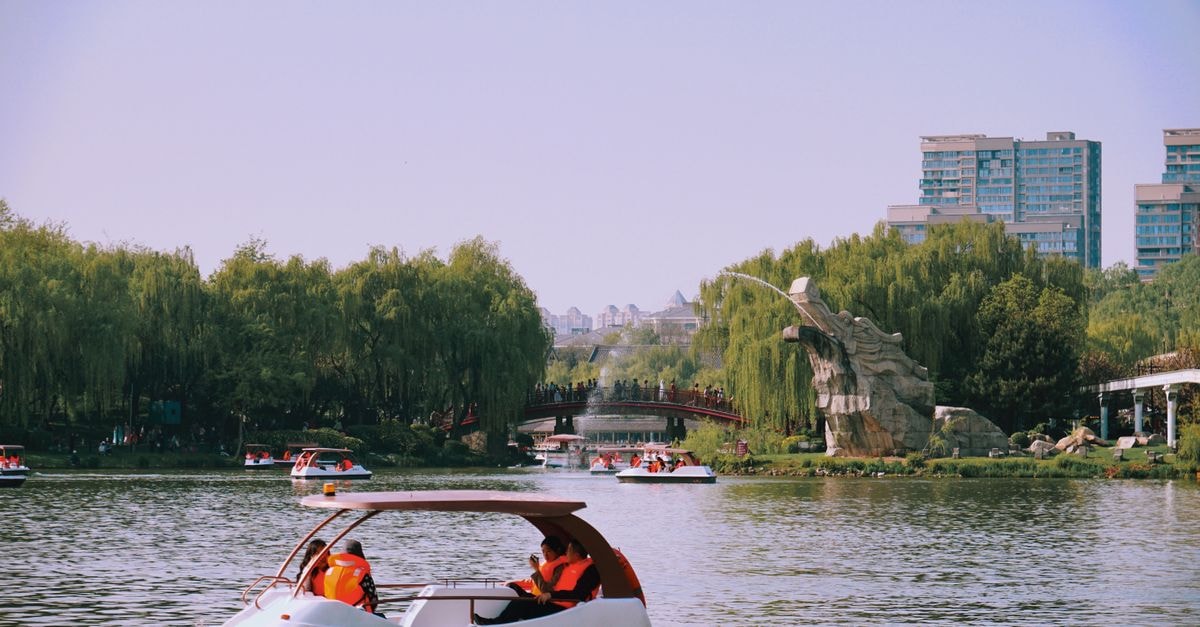
Shanwei sits along the eastern coast of Guangdong, where fishing harbors, soft-sand bays, and a compact old town create the kind of slow-paced weekend many travelers quietly hope for. It is not the loudest stop on a Guangdong itinerary, and that is part of the appeal. The shoreline stretches long and the headlands feel open, while inland streets keep a lived-in, neighborhood rhythm that rewards wandering on foot. This guide is shaped for visitors who want a grounded, food-and-coast experience without overplanning.

Weather and seasonal context
Shanwei's climate follows the familiar eastern Guangdong rhythm: winters are mild compared with northern China, and the cooler months can feel pleasantly gentle for walking the waterfront and the old-town lanes.
The most comfortable window for warm temperatures, lower humidity, and clearer visibility tends to fall in October and November, which is often described as the most pleasant time to be outdoors here.
Because coastal humidity can still creep up outside that window, consider planning beach time and longer walks for the cooler parts of the day. Even on softer days, the sea breeze and shade along the headlands tend to make the experience feel gentler than the inland heat.
Getting around
Shanwei's layout is straightforward once you anchor yourself to a few key nodes. The Shanwei Railway Station and Shanwei Bus Station are the main arrival and connection points, and the central commercial districts link the transport hubs to the waterfront and old-town areas where most visitors spend their time.
If you are arriving by train and want to head straight for the bays, a taxi or ride from the station is the simplest opening move, since the bus station and rail station are close enough to combine intercity connections. Within the city, taxis and local buses handle most short hops, and the central districts are walkable on a leisurely day.
Travelers who prefer to keep logistics minimal may suit basing themselves near the central commercial area, where transport, dining, and the old town all sit within easy reach.
Attractions and planning
Shanwei's coastline is its headline. Red Bay is a standout coastal scenic area, known for turquoise water, golden sand beaches, and the kind of rocky headlands that make a slow afternoon feel cinematic. It is the sort of place where you can settle into a stretch of sand, walk to a headland viewpoint, and not feel crowded.
The city has a wider cast of coastal and cultural stops worth knowing about. Guanyin Ridge sits along a picturesque cove, while Jincho Bay Beach and Jinding Bay Beach both offer quieter alternatives along the eastern Guangdong shoreline for travelers who like to compare bays rather than commit to just one. Yanmen Town, set along the scenic eastern Guangdong coast and sometimes referenced alongside Houmen Town, is often described as a hidden-gem stretch for visitors drawn to fishing-village atmosphere.
Inland, two cultural anchors round out a balanced day. The Fangfan Pavilion (Fangfangting) is presented as a monument to loyalty with historical and cultural significance, and it pairs well with the coastal leg of the trip. Xuanwu Mountain (Yuanshan Temple) brings a pilgrimage-and-history feel, with temple grounds set against the regional landscape. Together, these stops give travelers a mix of beach time, harbor scenery, and reflective inland visits.
If you prefer scenic variety over a packed schedule, you may suit picking one bay for a long, slow morning and saving the temples or pavilion for the softer late-afternoon light. Travelers drawn to fishing-village character over resort-style beaches may want to weigh Yanmen Town against the more developed stretches of coast.
Food and local context
Erma Road is Shanwei's best-known old-city food district and is consistently described in official tourism materials as the city's leading "treasure food street." It is the natural anchor for an evening of small-plate eating, and the kind of street where you can graze slowly between stalls rather than commit to one long sit-down meal.
The surrounding bay areas, including Jinxiang Bay, give travelers a chance to pair street food with coastal scenery. The coastline here is dotted with peaceful bays and fishing villages, which often translates into fresher seafood counters and a relaxed pace.
In wider Chinese dining culture, communal sharing and a relaxed pacing at the table are common; visitors may notice that locals often order several small dishes to enjoy together. If you prefer a quieter food experience, the bayside villages can feel less hectic than the central food street, while still offering a sense of the place.
Choosing what fits your trip
The trade-off in Shanwei is mostly between coast time and old-town time, not between good and bad options. Travelers who want a slow, scenery-led day may suit anchoring themselves near one bay, such as Red Bay, and treating the old town and Erma Road as an evening stop. Visitors who like to weave culture into their coastal day may prefer pairing the Fangfan Pavilion or Xuanwu Mountain with a shorter bay visit. Food-first travelers will likely gravitate to Erma Road regardless of where they stay, while quieter types may lean toward Jinxiang Bay and the fishing-village stretches for meals with a view.
Before you go
Factual travel details can change, so it is worth checking current transport schedules, station services, and any entrance conditions through official channels before departure. Treat the points above as a starting frame rather than a fixed plan, and let the weather on the day shape how much coast and how much town you take in.
Share this article
TOOLS FOR THIS PLAN
Make the Shanwei plan measurable
Choose a tool only when it answers the next question in your trip. Your values stay in the browser, and each tool offers a route back to this planning context.