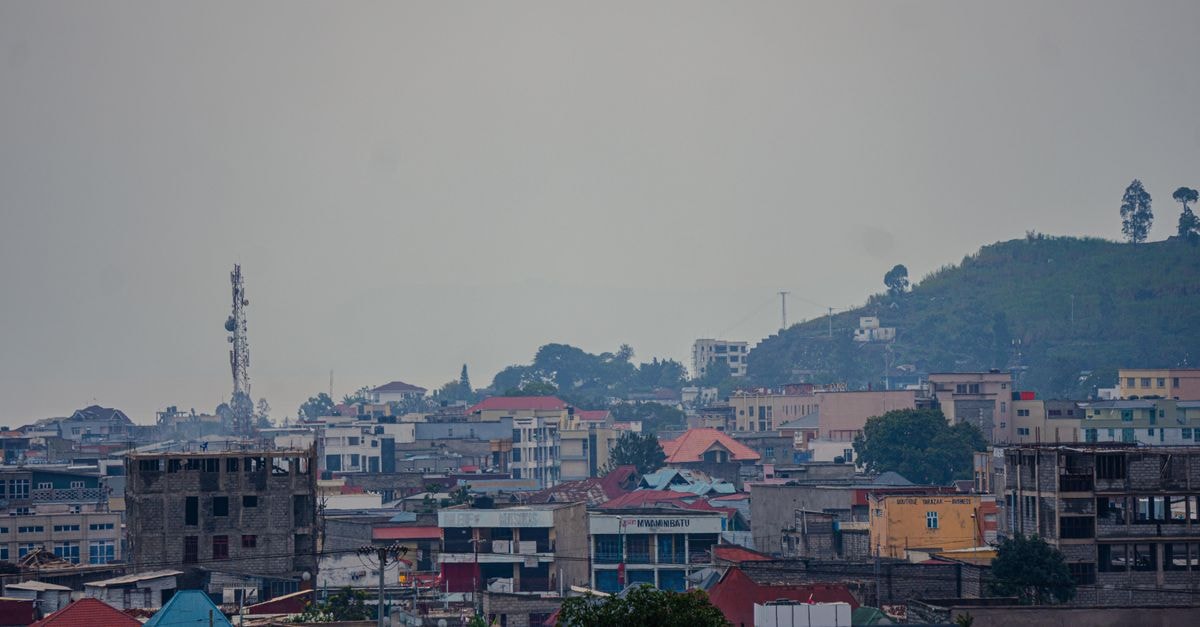
A first impression of Shinyanga

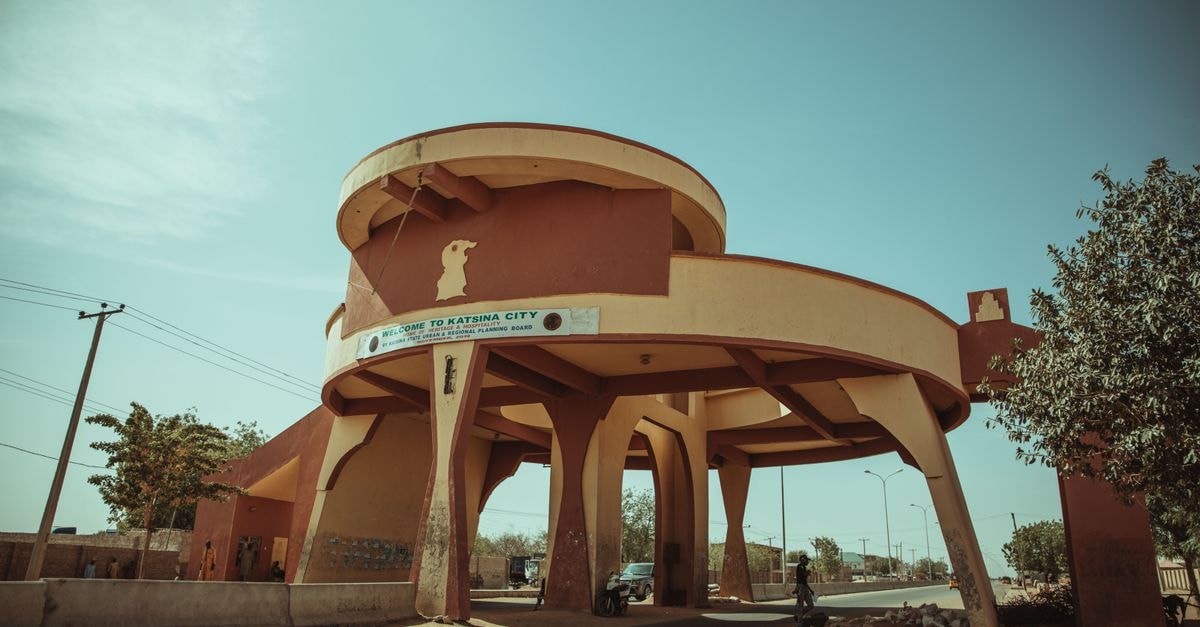
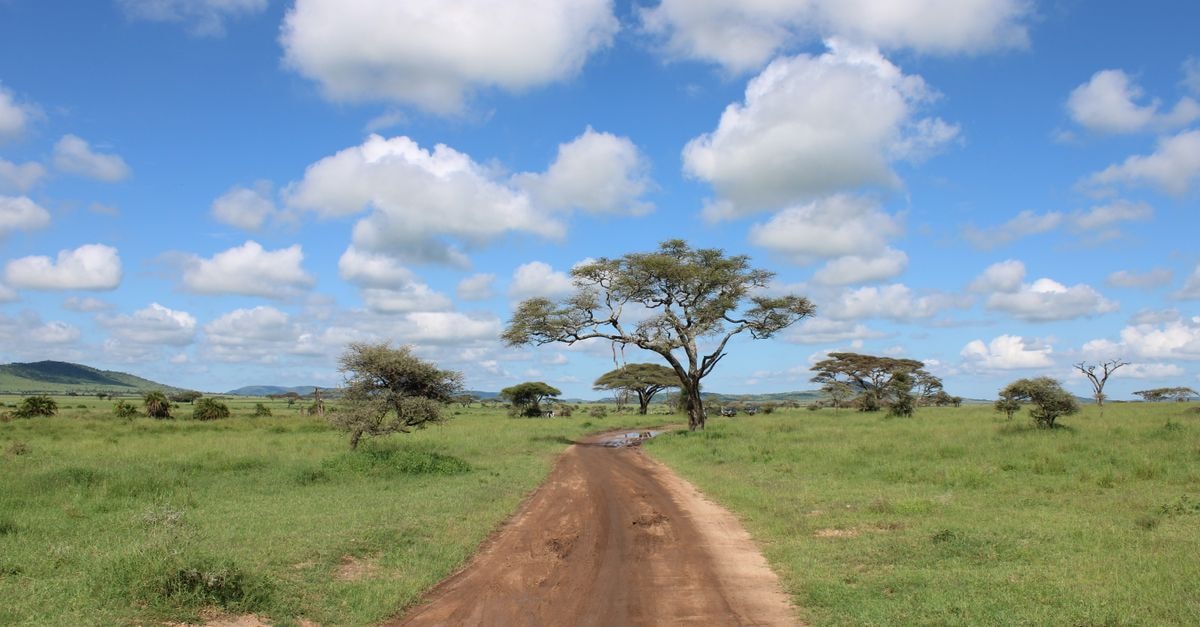
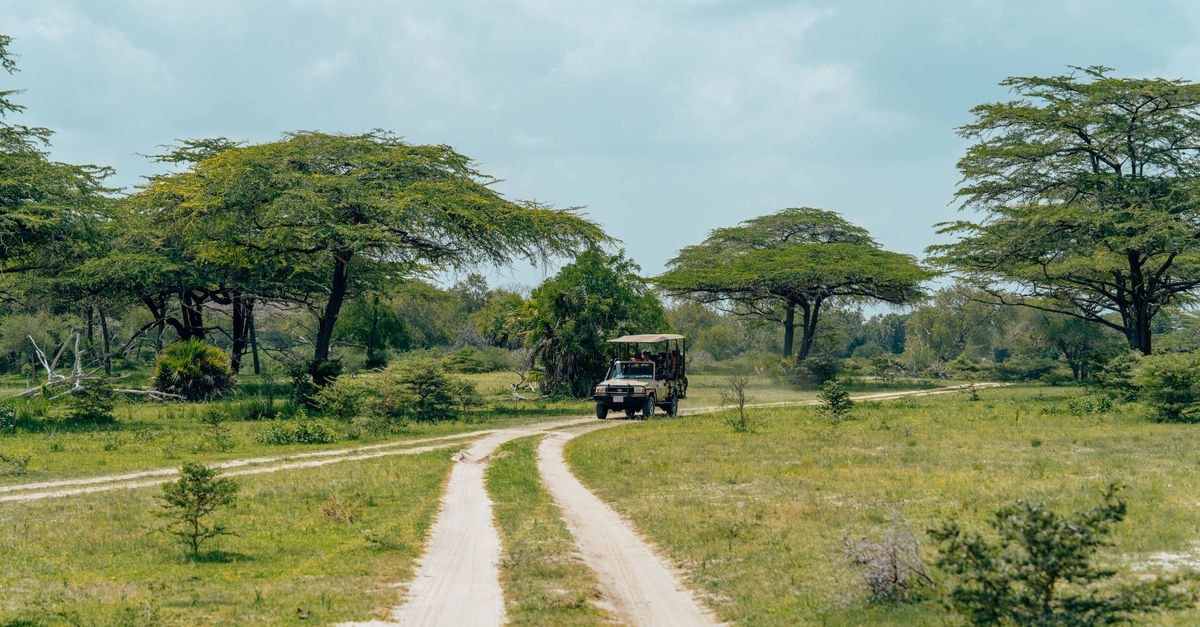
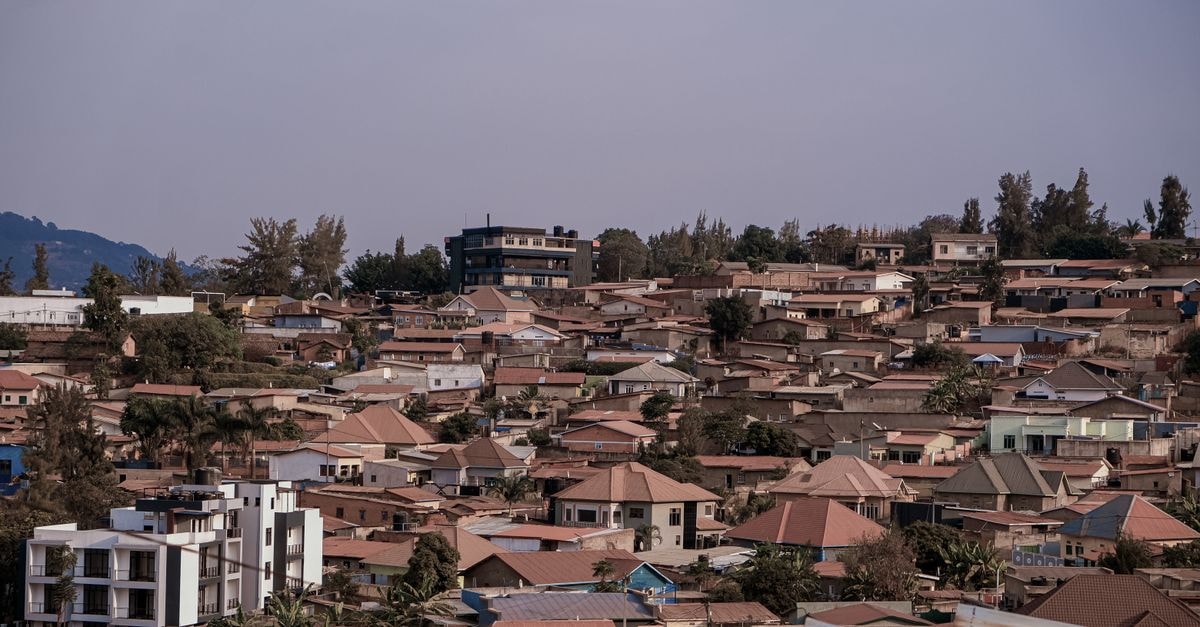
There is something quietly compelling about arriving in a city that has not been polished for tourism. Shinyanga, in north-western Tanzania, carries the texture of a place where daily rhythms still lead the way. The city offers a glimpse into rural Tanzanian life, with traditional markets and welcoming neighborhoods that invite unhurried wandering rather than a checklist of sights. It is the kind of place that rewards travelers who arrive curious and patient, ready to let a town reveal itself at its own pace.
This guide keeps things simple and grounded. Rather than promising a long list of headline attractions, it focuses on what the approved evidence actually supports: the seasonal feel of the wider region and the practical transport choices that make short stays in town manageable on a modest budget.
Weather and seasonal context
The single piece of weather evidence in the approved ledger does not give temperatures or month-by-month conditions. What it does confirm is the kind of place Shinyanga is: somewhere shaped by rural Tanzanian rhythms, traditional markets, and welcoming neighborhoods. That matters for travel planning, because a town with this character tends to unfold at walking pace, with shaded pauses and conversations that stretch longer than expected.
Because there is no direct temperature or rainfall data in the approved facts, this guide avoids pinning down specific conditions or recommending a particular outfit. Travelers who prefer to plan their day around heat may want to ease into mornings and step out again as the light softens, though that is a general comfort suggestion rather than a documented forecast. Anyone who needs precise conditions before traveling should verify the current forecast closer to their departure, since rural regions can shift quickly between bright skies and passing showers.
What can be said with confidence is that Shinyanga rewards a relaxed approach. Settle into a market neighborhood, watch the patterns of a working town, and let the climate inform your timing rather than dictate your route.
Getting around on a budget
Within Shinyanga itself, the most practical short-hop options are dala-dala minibuses and walking. The local guide references confirm that travelers use dala-dala and walking for short, budget-friendly hops within town. This combination tends to suit travelers who are comfortable improvising a route, flagging down a passing minibus, and covering the remaining distance on foot between stops.
A few practical notes on using dala-dala:
- They typically follow set routes through town rather than running door-to-door, so identifying the correct route or asking a local for the right minibus is part of the experience. - Fares are paid in cash on board and tend to be modest, which fits well with travelers planning a low-cost stay. - Walking fills the gaps between dala-dala stops, and the city's relatively compact feel makes this manageable during cooler parts of the day.
For travelers who would rather not negotiate local minibus routes or who prefer a more residential base, homestays are an option within the city. The lodging platform data confirms that homestays in Shinyanga are bookable, with travelers able to enter their dates for the latest hotel rates and availability. The platform also indicates that top homestays are sorted based on a combination of factors such as price, location, and user reviews, which gives a starting point for shortlisting. Because pricing and availability change with the season and the traveler's own dates, it is worth confirming live details directly on the platform before booking, rather than relying on any rate seen earlier.
The practical takeaway for getting around is straightforward: lean on dala-dala and your own two feet for in-town movement, and treat homestay listings as a starting point that you verify with current dates.
Choosing what fits your trip
A few gentle tradeoffs are worth weighing before settling on a base.
If your travel style leans toward budget-friendly, locally rooted experiences and you enjoy figuring out public transport as part of the trip, Shinyanga's combination of dala-dala routes and walkable neighborhoods may suit you well. Staying in a homestay can deepen that connection to daily life and support the kind of slow, neighborhood-level wandering the city invites.
If you prefer a more packaged rhythm, with prearranged transfers and clearly branded hotel options, you may find that the documented transport and lodging evidence here describes a more independent style of travel. A quick check of current homestay listings and dala-dala coverage on arrival can confirm whether the practical fit matches your expectations before you commit to a longer stay.
These are gentle suggestions only. The approved facts do not measure service quality, walking difficulty, or family suitability, so any decision should rest on what you already know about your own preferences, verified alongside current local information.
A closing note
Shinyanga is best approached as a slow city rather than a checklist. The confirmed details are modest: dala-dala and walking for short hops, homestays bookable through the usual platforms with live dates required for accurate rates, and a regional character shaped by traditional markets and welcoming neighborhoods. Everything else is best confirmed on the ground or through current local sources before you travel, since conditions, fares, and availability can change without notice.
Travelers who go in with patience and a flexible plan tend to find that the city opens up at its own pace, rewarding those who let it.
Prices, opening hours, schedules, reservation rules, and local conditions can change; verify them through official channels before departure.
Share this article
TOOLS FOR THIS PLAN
Make the Shinyanga plan measurable
Choose a tool only when it answers the next question in your trip. Your values stay in the browser, and each tool offers a route back to this planning context.