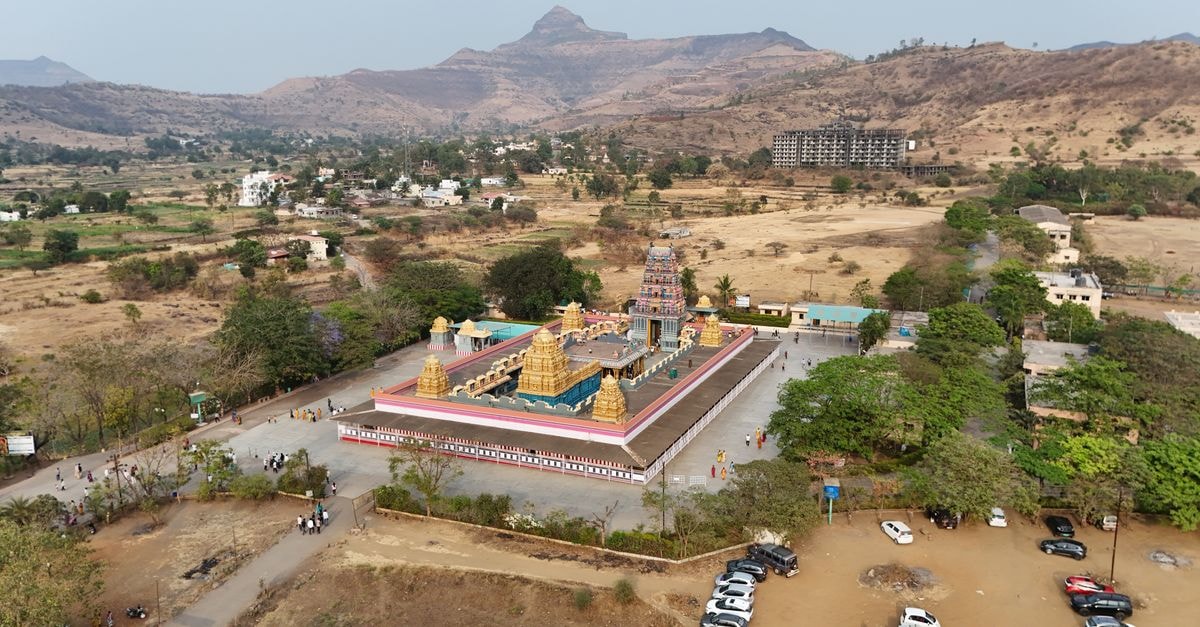
A first look at Shouguang

Shouguang sits in Shandong province and has built much of its identity around agriculture. For travelers, that translates into a city experience shaped less by headline monuments and more by daily rhythms, market life, and a single produce item that the region is genuinely proud of. The pace tends to be unhurried, and the point of a visit is usually to slow down, eat well, and get a feel for how a working agricultural city actually lives.
What follows is grounded in a small set of approved facts about the city's climate pattern and its signature cuisine. It is intentionally narrow: rather than guess at attractions, transport, or neighborhoods, the guide concentrates on the two areas where the evidence is solid.
Weather and seasonal context
Shouguang has a monsoon weather pattern, which means the year's rainfall is concentrated in a relatively short window during high summer. The approved record specifically notes that July and August carry the heaviest rain of the year, while the rest of the year is comparatively drier.
For visitors, the practical implication is timing. If you prefer travel days built around outdoor markets, long walks, or simply being out of doors for hours at a stretch, the lighter-rain months may suit you better. Travelers who do not mind working around afternoon showers and who enjoy the green, lush look the city takes on after heavy rain may find the summer monsoon period rewarding. The shape of the day matters more than the calendar date: rain tends to arrive in concentrated bursts rather than as constant drizzle, so pacing an itinerary around the early part of the day often works well.
Because the source describes the pattern in general terms rather than as a live forecast, it is worth treating any specific short-term weather advice as something to verify closer to departure. Local forecasts the day before, or the morning of, will give you a much more accurate picture than any guide written weeks or months in advance.
Food and local context
Food is where Shouguang has the strongest single claim to a visitor's attention. The city's signature produce, and by extension a recurring flavor in its kitchens, is the Shouguang cucumber. The approved record describes it as prized for its crispness and fresh flavor, and cucumbers in various preparations turn up across local menus.
A few notes on what this means for a visit. Shouguang's fine dining scene is described as limited in the approved record, so the most rewarding food experiences here are usually found in neighborhood restaurants, casual eateries, and market-style settings rather than in a polished tasting-menu restaurant. Travelers who specifically prioritize upscale, multi-course dining may want to reconsider whether a visit centered on Shouguang alone will satisfy that interest, since the source notes limited options in that category.
Conversely, travelers who enjoy straightforward, produce-led cooking will find plenty to work with. A cucumber-focused food visit can be as simple as asking at a local restaurant how the kitchen prepares the ingredient that day, or noticing how often it appears across the menu in different forms. The signature ingredient is so central that the city has effectively built a recognizable culinary identity around a single vegetable, which is unusual and worth leaning into rather than treating as a curiosity.
Choosing what fits the trip
The two evidence-backed dimensions of Shouguang, its monsoon-driven climate and its cucumber-centered food identity, point in similar directions. Travelers who enjoy a slower, food-led visit, who are happy with casual rather than fine-dining settings, and who can be flexible around summer rain will probably find the city easy to engage with. Travelers who need a dense lineup of formal attractions, who want fine dining as a central pillar of the trip, or who strongly prefer dry weather for outdoor plans may want to weigh those tradeoffs before committing to a Shouguang-centered itinerary.
A few small, practical considerations follow naturally from the facts. If you visit during the heavier-rain window, plan indoor backup options for the afternoons and consider whether your accommodation suits a stretch of wet weather. If food is your main interest, ask locals which casual restaurants are busiest rather than searching for a designated fine-dining list, since the record explicitly describes fine dining as limited here. Either way, treating the visit as a short, focused stay rather than a checklist of sights tends to match the city's rhythm.
A note before you go
Travel conditions change, and the climate and dining landscape described here reflect the approved record rather than a live snapshot. Before departure, it is worth checking current weather forecasts, confirming any restaurant hours you plan to rely on, and looking at up-to-date local information so that your plans match what the city actually offers at the time of your visit.
Prices, opening hours, schedules, reservation rules, and local conditions can change; verify them through official channels before departure.
Share this article
TOOLS FOR THIS PLAN
Make the Shouguang plan measurable
Choose a tool only when it answers the next question in your trip. Your values stay in the browser, and each tool offers a route back to this planning context.