A Slow Introduction to Shumen

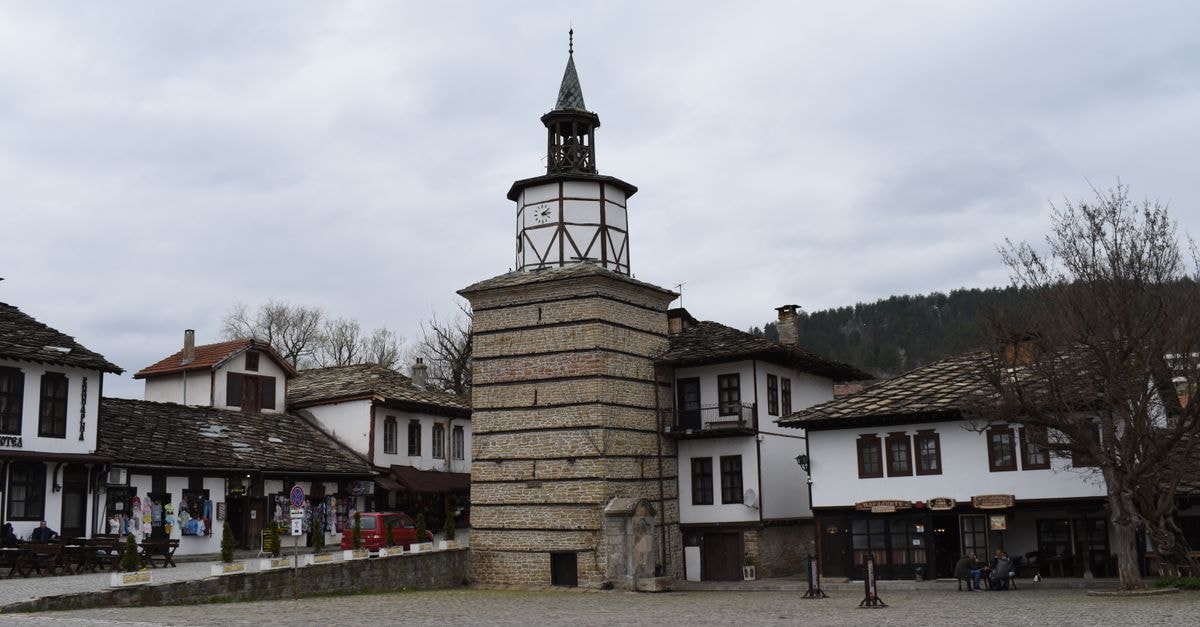
Shumen sits quietly in northeastern Bulgaria, a city where a long past meets a calm everyday rhythm. Travelers who prefer unhurried, culture-rich stops often find Shumen rewarding, because the landmarks cluster close to the center and the city's pace makes it easy to settle in for a thoughtful walk rather than a checklist rush. The compact feel means you can start the morning with a museum visit, pause for a sweet pastry in the afternoon, and still have daylight left for one more stop before evening.
This guide keeps things practical and grounded, leaning on what the city's own visitor information supports, and leaving room for you to verify the details that matter for your trip.
Getting Around Shumen
Knowing where the city's transport hubs sit makes the rest of the trip easier to plan, especially if you're arriving by coach or planning a regional day out. The Central Coach Station handles intercity arrivals and is located at 33 "Madara" str., while a separate Central coach station for regional routes sits at 29 "Rishky prohod" str. Because the two addresses are distinct, it helps to confirm which service you are booking before you travel, so you arrive at the right door.
If you're the kind of traveler who likes a clean starting point, noting both addresses in advance removes a small but common source of friction. Consider screenshotting the addresses on your phone before you set out, since street names in Bulgarian can be easy to misread at a glance.
Attractions and Planning Your Visit
Shumen's cultural footprint is small enough to absorb in a short visit but layered enough to reward curiosity. The Pancho Vladigerov House-Museum honors one of Bulgaria's most prominent composers, pianists, and teachers, making it a natural stop for travelers who enjoy music history or who simply want a quiet indoor hour. Pair it with a slower afternoon, and the museum becomes the kind of place where you leave knowing a little more about the country's artistic lineage than when you arrived.
For a very different mood, the MADARA National Historical-Archaeological Reserve brings together archaeological artifacts, open landscape, and the unique rock relief of the Madara Horseman. If you lean toward heritage sites and open-air settings rather than dense museum rooms, the reserve may suit your style better than a second indoor stop. The mix of nature and carved stone rewards travelers who pace themselves, so plan a comfortable window rather than trying to squeeze it between transit connections.
Together, the house-museum and the reserve make a balanced pair: one offers a focused cultural anchor, the other offers space, scenery, and a longer historical thread. Travelers who dislike back-to-back indoor venues may want to schedule only one museum-style stop per day.
Food and Local Context
Food in Shumen tends to follow wider Bulgarian rhythms, with familiar comfort dishes that visitors may encounter across the country. One preparation that often appears in Bulgarian kitchens involves grating cheese over dough, folding it, cutting it into circles, and frying the rounds in deep, very hot oil, a method that produces a crisp, savory snack enjoyed in homes and casual settings alike. Because the recipe is shared across the country, you may find it in cafés and bakeries around Shumen, though specific restaurants and menus are not detailed in the visitor information available to this guide.
If your travel style leans toward tasting what locals eat rather than dining in formal settings, this kind of fried dough snack is the sort of thing worth asking about once you've arrived. Travelers who prefer lighter meals or who want to pace their day around heavier local fare may want to plan one indulgent snack stop rather than making it a central meal.
A note on the wider context: the visitor information center also publishes material about traditions and customs, alongside the local cuisine notes. That broader background can be helpful for travelers curious about the social rituals woven into everyday Bulgarian life, even if the specifics of how those customs appear in Shumen's cafés and streets are not spelled out in the available sources.
Choosing What Fits Your Trip
Shumen rewards travelers who build their schedule around two contrasting anchors: one indoor cultural stop and one open-air heritage landscape. The Pancho Vladigerov House-Museum suits visitors who want a focused, contemplative hour with a clear narrative, while the MADARA reserve fits those who prefer outdoor walking and a longer historical arc. If you dislike heavy back-to-back museum days, consider pairing the reserve with a single museum stop and leaving room for a slow walk between them. Travelers who find deep-fried local snacks too rich for daily eating may prefer to treat them as an occasional treat rather than a meal, using lighter options for the rest of the day. Because transport hubs sit at two distinct addresses, anyone arriving by coach should confirm the correct station in advance, especially when mixing intercity and regional services in the same day.
A Final Verification Note
The factual backbone here draws on Shumen's own tourist information center, but travel conditions change. Coach station details, museum opening hours, reserve access, and the availability of traditional dishes can shift over time, so it's worth checking with the official tourist information center or a current local contact before you travel, particularly for anything that affects timing, tickets, or reservations.
Prices, opening hours, schedules, reservation rules, and local conditions can change; verify them through official channels before departure.
Share this article
TOOLS FOR THIS PLAN
Make the Shumen plan measurable
Choose a tool only when it answers the next question in your trip. Your values stay in the browser, and each tool offers a route back to this planning context.