An ancient harbor city where layers stack on layers
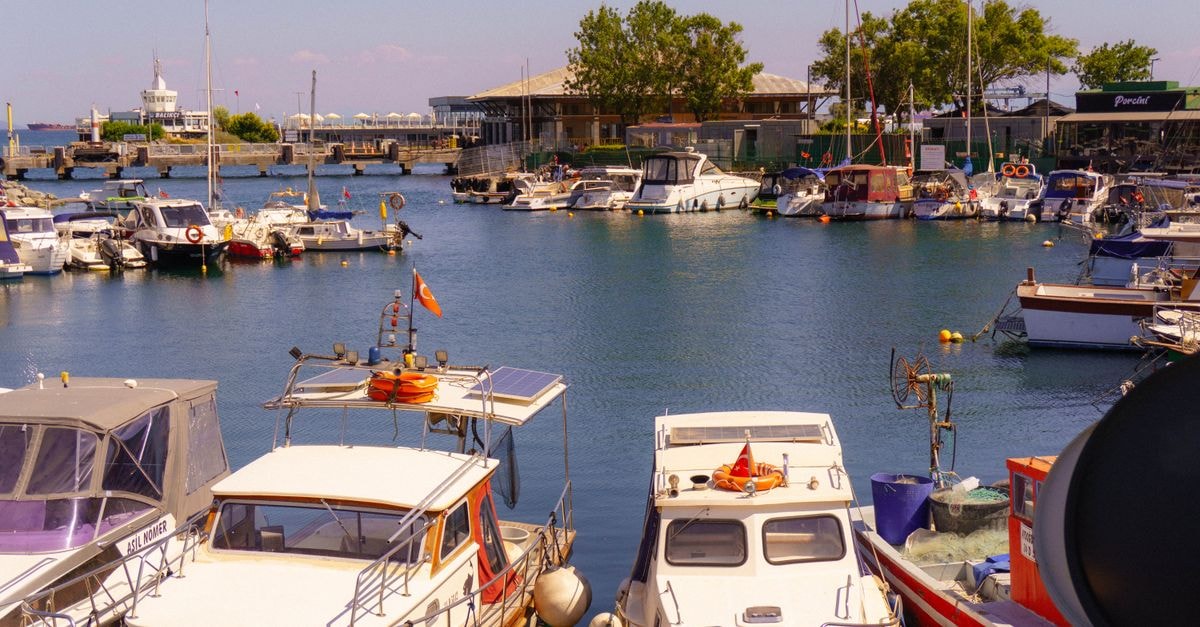
Perched where the Black Sea meets a long, narrow headland, Sinop has the compact, windswept feel of a place built for ships rather than cars. The old town presses against the sea, the newer streets climb gently back along the peninsula, and the water is rarely out of sight. What makes a visit here quietly memorable is depth: this is a city where one building can carry the fingerprints of several civilizations, and where the same natural harbor has mattered to travelers for thousands of years. If you enjoy places with the texture of long history rather than the polish of a capital, Sinop tends to reward unhurried exploration.
Setting and weather context
Sinop grew outward from a fortress sited on the Boztepe headland, which is connected to İnceburun on the eastern side — the most northern point along the Turkish coast. That geography shapes how the city feels to walk through. Streets thread between the headland and the sea, gradients are generally gentle rather than dramatic, and the prevailing breezes off the Black Sea are part of daily life.
Because the city sits on a peninsula, conditions along the waterfront can shift noticeably throughout a single day. Long-term climate context for the broader Black Sea coast suggests shoulder and cooler months can feel breezy, with cooler evenings than the daytime suggests. While direct, dated conditions are not part of this guide's evidence base, travelers who prefer milder sea air and quieter walking days may find the in-between seasons particularly comfortable. Pacing the day with a mid-day pause for a long lunch, then returning to the waterfront later, is a relaxed way to take the city in.
Attractions and planning
Two threads from Sinop's history recur across the evidence and are worth keeping in mind as you plan your time.
First, the natural harbor is the reason Sinop exists. The strategic importance of Sinop Harbour brought Sinop to the fore as a centre of trade across millennia, and that single fact quietly explains almost every sight you will encounter. Fortifications cling to the headland, old quarters cluster within reach of the docks, and even the layout of modern streets follows the shipping logic of centuries past. When you choose where to stay and where to walk first, it helps to start from the harbor and work outward.
Second, the city wears its history lightly. The cultural richness of Sinop is so extensive that almost each historical building has the marks of more than one civilisation, which means a single stone tower, a stretch of wall, or an old hammam bath can hold Roman, Byzantine, Seljuk, Ottoman and earlier traces at once. Travelers who love reading layers into a place tend to find this especially rewarding; those who prefer a single clean narrative per monument may want to settle in, slow down, and let the overlapping stories come to them rather than trying to decode every facade.
For planning, give yourself more time than the city's small size suggests. The peninsula rewards wandering, and many of the most rewarding moments happen between named sights, in lanes where the sea opens up unexpectedly or a section of old wall reappears in a quiet garden. Carry a paper map or download one before you arrive; signal along the headland can be uneven, and you will want to orient yourself around the harbor, Boztepe, and the eastern stretch toward İnceburun.
Food and broader Turkish context
Sinop sits within a wider Turkish culinary world, and visitors quickly encounter familiar national patterns at mealtimes: plates arrive shared, tea is its own small ritual, and breakfast is treated as a generous spread rather than a quick stop. Bread, cheese, olives, fresh greens, and slow-cooked meat or fish dishes are common across the country and show up in Sinop's small restaurants and family-run cafes in recognizable forms.
Because this is an evergreen city guide grounded only in approved facts about Sinop and about Türkiye as a whole, it does not rank individual restaurants, quote dish prices, or point to specific markets. Treat menus and opening hours as something to verify on the day, ideally by asking at your accommodation, since hours in a quieter regional city tend to follow local rhythm rather than tourist patterns. If you have specific dietary needs, a short polite phrase in Turkish goes a long way in Sinop's smaller eateries.
Choosing what fits your trip
A few conditional notes that may help you shape the visit:
- If you are drawn to layered history and harbor scenery more than polished blockbuster sights, Sinop's compact peninsula may suit you well; start your days at the waterfront and let the old town unfold inward. - If you prefer quieter pacing and cooler sea air, shoulder seasons often feel especially comfortable along the Black Sea coast, and the headland's gentle gradients make longer walking days manageable for most visitors. - If you usually like to pair a small city with a day trip elsewhere, consider staying centrally and treating the headland itself — from the fortress area toward İnceburun — as your main outing rather than planning long excursions outside the city, since dedicated day-trip guidance is outside the scope of this guide.
Verification before you go
Practical details such as ferry connections along the Black Sea coast, museum and historic site opening hours, and current local transport options are best confirmed close to your travel date through the Turkish Ministry of Culture and Tourism, the Sinop provincial culture and tourism directorate, and your accommodation. Factual travel conditions can change, and official channels should be checked before departure to ensure the information in this guide still matches the situation on the ground.
Share this article
TOOLS FOR THIS PLAN
Make the Sinop plan measurable
Choose a tool only when it answers the next question in your trip. Your values stay in the browser, and each tool offers a route back to this planning context.