A mist-soft town wrapped in green hills

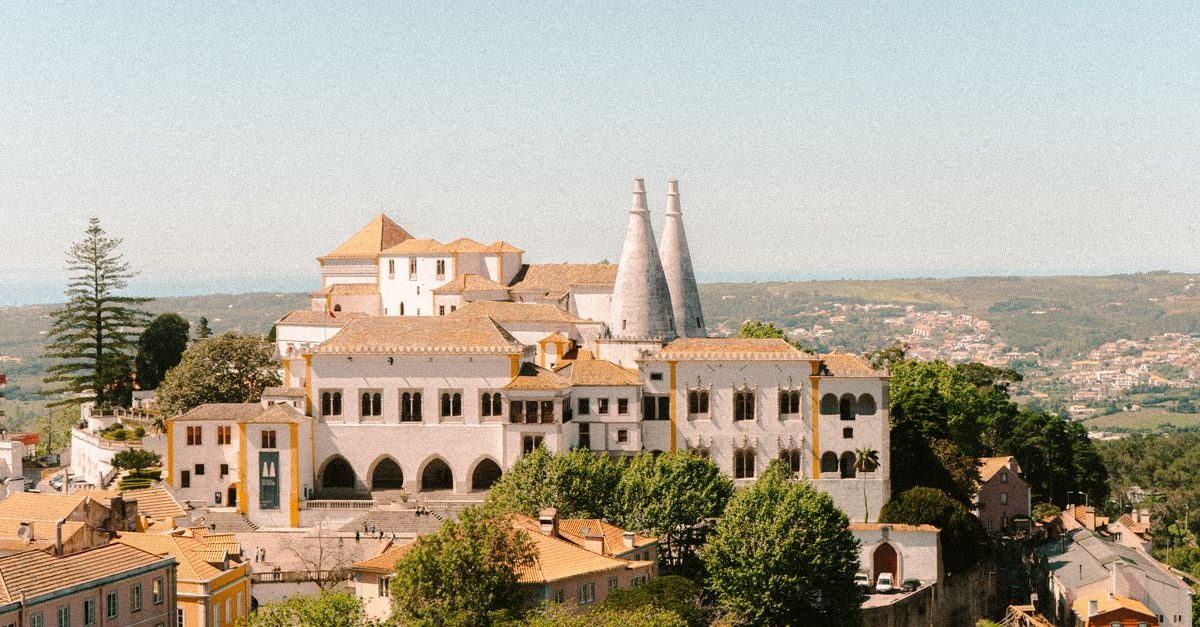
There is a quiet kind of drama to Sintra, the kind that starts the moment the train begins climbing out of the Lisbon suburbs and the landscape thickens with pines and ferns. The town has long been described as mysterious and magical, adjectives that fill tourist brochures but hint at something more substantial worth exploring, even on a single day from Lisbon. Set in the hills of the Serra de Sintra, Sintra feels like a pause from the coast, where palaces and gardens have been drawing curious travelers for generations.
This guide keeps things grounded. It focuses on what the approved facts actually support: how to reach Sintra by train, the cultural weight of its most photographed palace, and the food context visitors tend to encounter here. There is no need to overstate; Sintra already does that on its own.
Getting around: the train from Lisbon
For most independent travelers, the simplest way to reach Sintra is by rail, and the service from central Lisbon is genuinely easy to plan around. From downtown, the train departs from Rossio Station and arrives in Sintra about 40 minutes later, which makes a half-day or full-day visit feel very doable. From the eastern side of the city, in the Parque das Nações district, the train departs from Oriente Station and takes roughly 47 minutes to reach Sintra. Both options are useful depending on where your hotel sits, and they remove the usual hassle of hiring a driver or navigating winding mountain roads.
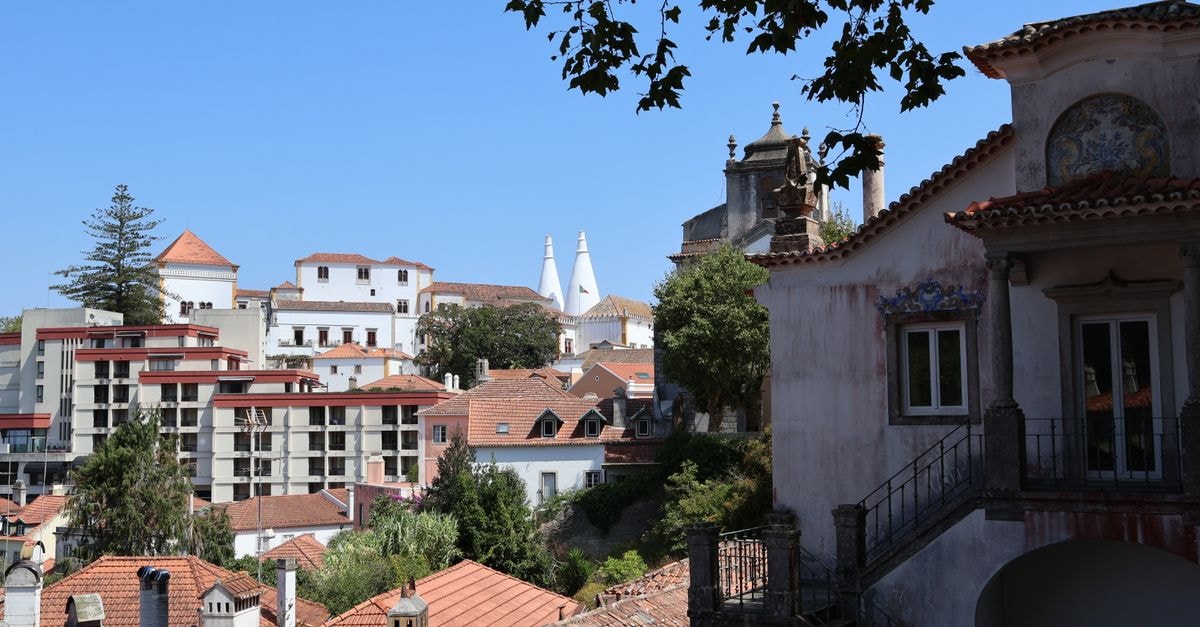
Independent travel guides to Sintra exist precisely because the town rewards a self-paced approach, and the train is the backbone of that experience. Once in Sintra, the historic center is compact enough to explore on foot, though the upper monuments sit on higher ground and involve some uphill walking.
Food and local context
Sintra's dreamy palaces are not the only reason to make the trip into the hills, and the food context here carries its own quiet charm. Local cooking in this region tends to be hearty and comforting, rooted in generations of traditional recipes. That description matches the wider Portuguese approach to meals, where a long lunch with grilled fish, soups, or meat dishes still feels normal, and where sweets like pastéis are an everyday pleasure rather than a special-occasion treat.
For visitors, the practical takeaway is simple: you do not need a packed itinerary of famous restaurants to eat well in Sintra. The town has the kind of everyday food culture where stopping for a slow meal, a coffee, or a pastry is part of the experience, not a detour from it. Sit down. Order the day's dish. Let the pace of the hills do its work.
A practical note before you go
Sintra is small enough that you will not need a detailed plan to enjoy it, but a few things are worth keeping in mind based on what we can reliably say. Wear comfortable shoes, because the upper palaces involve real elevation. Allow generous time for the palace complex at the top of the hill, since its scale and the steady flow of visitors make it easy to underestimate. And if you are arriving from Lisbon, decide in advance whether Rossio or Oriente suits your starting point better, since both connect directly to Sintra.
Factual travel conditions can change, and official channels such as the train operator and monument websites should be checked before departure for the latest timetables, ticket details, and entry information. Currency and exchange rates, where relevant, are only a reference and should be checked at the live rate on the day.
A few honest reflections
Travel light, leave room in the schedule for a slow lunch, and let the town set its own tempo.
Share this article
TOOLS FOR THIS PLAN
Make the Sintra plan measurable
Choose a tool only when it answers the next question in your trip. Your values stay in the browser, and each tool offers a route back to this planning context.