A Slow Introduction to Siping

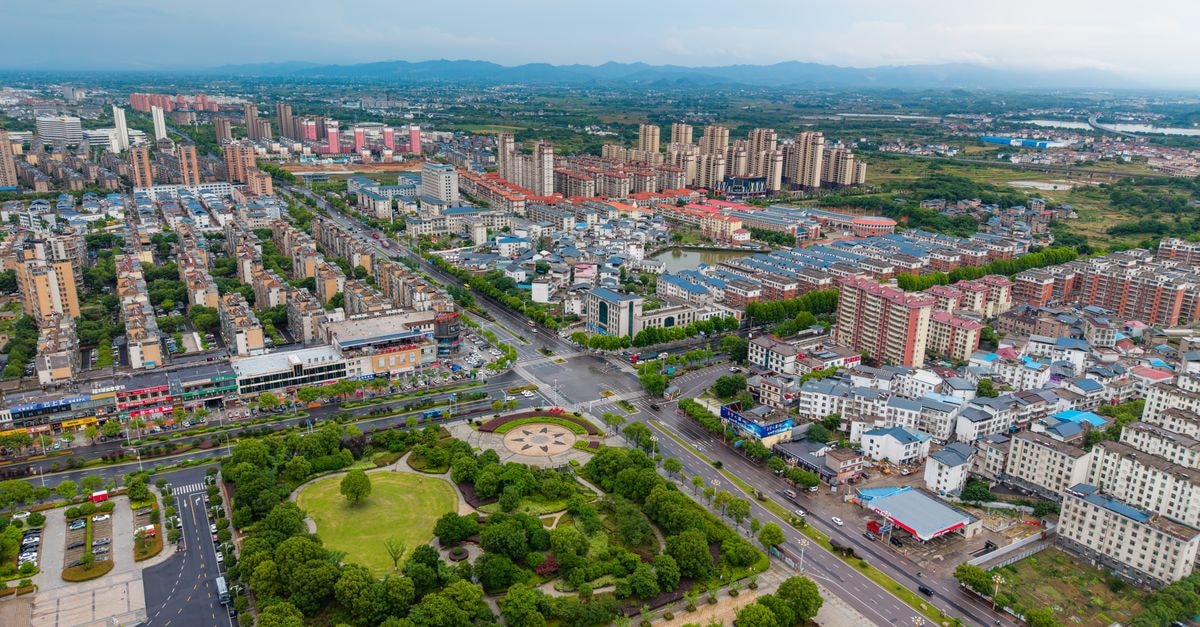
Siping sits in the southwest of Jilin province, and travelers approaching the city for the first time tend to feel its quieter, unhurried rhythm quite quickly. This is a place shaped by railways and by history, rather than by glossy skylines, and that character gives the visit a different texture from the better-known stops in the region. If you enjoy layering a trip with leafy landscapes, the cadence of an old transport hub, and a few genuinely local corners, Siping rewards a measured pace rather than a rushed checklist.
Weather and Seasonal Context
Rain tends to arrive in heavier spells rather than gentle drizzle, which is a useful thing to know before planning a day out. Long-term climate references for the area describe warm summer afternoon showers as part of the rhythm you may encounter, so an umbrella or light rain jacket earns its space in the bag more often than not. Because rainfall can peak around 63 mm in the wetter stretch of the year, it can feel humid on the days when the sky opens up, and a flexible itinerary that allows you to step indoors between showers tends to suit this city better than a tightly packed schedule.
If you prefer to wander at an easier tempo, consider mapping indoor or sheltered stops around the middle of the day and saving outdoor wandering for the drier windows. Travelers who dislike being caught in sudden downpours may want to keep a small dry bag for phones and notebooks. None of this turns weather into a barrier; it simply suggests that pacing the day around the sky often feels more natural here than fighting it.
Getting Around and the Railway Heritage
Siping is described as a major city in the southwest of Jilin province and as an important transportation hub connecting the industrial regions of Northeast China. That railway identity is not just a historical footnote: it shaped the city itself. Sources note that Siping sits at the heart of Northeast China's railway network and became a strategic prize in one of the Chinese Civil War's most crucial campaigns between 1946 and 1948. For travelers, this means the city's layout and many of its stories are easier to read once you understand that trains, junctions and the movement of goods and people built it.
Because Siping is a regional transport node, arriving by rail or long-distance bus is generally straightforward, and the city's hub character becomes part of the experience once you arrive. Travelers who enjoy places where transit itself feels like part of the story may find this railway identity genuinely appealing, and the documented sources frame Siping as a place whose layout was shaped by its position within Northeast China's rail network rather than by any single current bus route.
Attractions and Planning
Jilin province as a whole has been recognized on lists of China's beautiful leisure villages by the Jilin Provincial Department of Agriculture and Rural Affairs, which hints at the kind of pastoral, unhurried experiences waiting beyond the city center. Within Siping itself, one anchored sight is the Nanshan Tourist Scenic Area, a national 3A-level scenic spot covering an area of 18 square kilometers. That scale alone suggests space to breathe rather than a tightly packed tick-box attraction, and it tends to suit visitors who prefer a walk-and-look day over a sprint between photo stops.
Planning an attraction day in Siping often works best when paired with the weather section above: outdoor scenery like Nanshan can feel most rewarding in the drier windows, while shorter showers can be used to pause, eat, or move between districts. If you enjoy mixing natural scenery with a sense of place, the scenic area offers a natural anchor for a relaxed day. Travelers who dislike very large sites may want to ask locally about shorter loops or flatter entry points, since the approved record simply confirms the scenic area's size and level rather than the gradient of every path.
Food and Local Context
Siping itself does not have an attested signature dish in the approved record, and the honest move is to treat the wider Chinese food culture as context you may encounter while dining in the city rather than as a Siping-specific specialty. Across China, the eight major cuisines each carry their own characteristics, and regional Chinese cuisine is widely described as a testament to culinary diversity, shaped by local ingredients, climate and history. Northeastern cooking in general leans toward hearty, warming flavors that suit cooler weather and active days, but the strongest framing here is simply that visitors will be eating inside one of the world's most regionally varied food traditions.
For travelers, that translates into a few practical habits. Menus in Siping will reflect local interpretations of broader Chinese cooking rather than a single labeled style, so asking for what is in season or what the table next to you is enjoying often leads to better meals than a rigid checklist. If you are curious about regional variety, you can use a meal in Siping as a starting point to compare with other provinces later in your trip, rather than as a standalone tasting menu.
Choosing What Fits Your Trip
Siping tends to suit travelers who like layering a city with a sense of history, who enjoy railway-town atmospheres, and who prefer green, roomy scenic areas over dense museum circuits. It may feel slow to anyone who wants nonstop nightlife or a tightly packed urban itinerary, simply because the city's rhythm and its documented attractions lean toward space, scenery and reflection. If you enjoy pacing your days around the weather, the city's character lines up well with that style of travel.
Before You Go
Verify train schedules, current ticketing for Nanshan Tourist Scenic Area, and any local transit updates through official channels before departure, since conditions and hours can change. Treat the figures and descriptions in this guide as durable background rather than a live snapshot.
> *Disclaimer: Travel conditions can change. Rates, schedules, and on-the-ground details should be confirmed with official sources before your trip.*
Share this article
TOOLS FOR THIS PLAN
Make the Siping plan measurable
Choose a tool only when it answers the next question in your trip. Your values stay in the browser, and each tool offers a route back to this planning context.