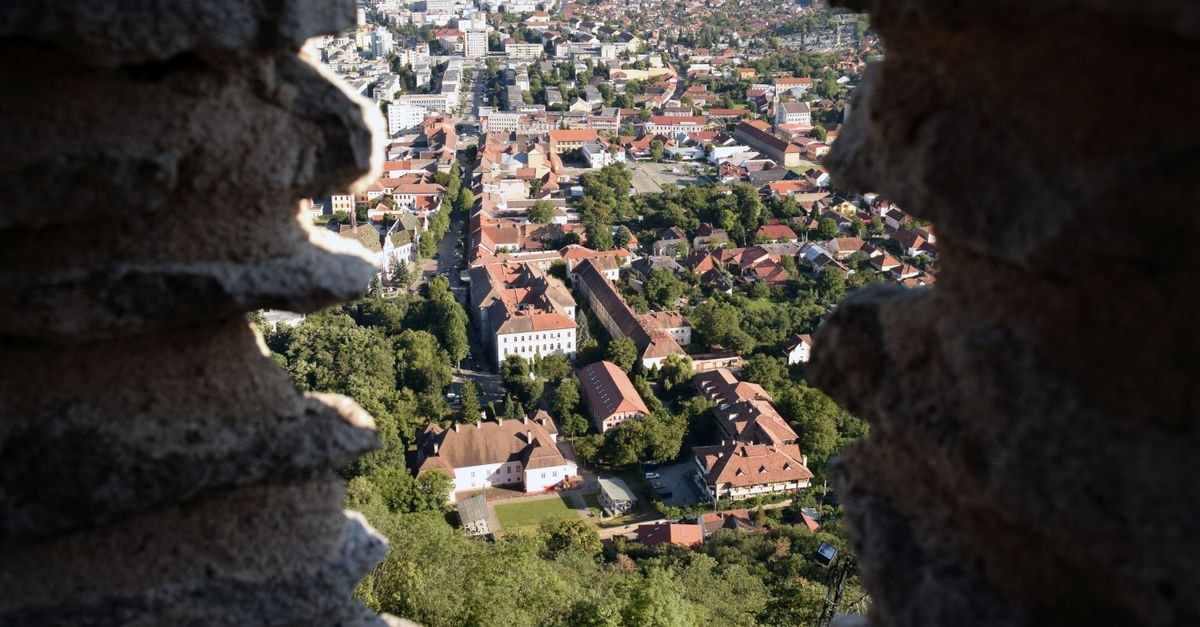
Sisak sits where the Kupa and Sava rivers meet, and that single fact does a lot of the work in shaping the city's identity. It is a smaller, slower corner of inland Croatia, far from the coastal spotlight, and it tends to appeal to travelers who already know what they want from a trip: a place with a visible old town, outdoor spaces worth walking through, and a regional feel that is harder to find on the Adriatic. Because the available evidence here is intentionally limited, this guide leans into what is firmly documented and leaves space for the reader to verify the rest on the ground.

Weather and seasonal context
The destination page used here describes Sisak in general terms as a "pretty good destination in Croatia," framing it as a stop worth understanding in the wider context of the country rather than as a fully weather-dated forecast (F7-2). There is no approved temperature, rainfall or monthly climate figure in the evidence, so anything more specific than "expect typical inland Croatian conditions, with warmer periods and cooler spells across the year" would step outside what can be supported.
For travelers, the practical reading is simple: treat Sisak as a year-round possibility, with the usual suggestion to pace outdoor time around the warmest part of the day during hot spells and to bring a layer for cooler evenings. Riverfront walks and outdoor heritage sites generally benefit from gentler temperatures, which is the kind of natural detail the destination framing supports without overstating it.
Getting around
The transport-related evidence is focused on places to sleep rather than on transit systems. It points to a small set of named accommodations within the surrounding county with starting rates: Hotel Panonija from $87 per night, Hotel Kutina from $58 per night, Lonjski Dvori from $66 per night, and Hotel Dvorac Jurjevec from $212 per night (F3-1). The same entry also flags "can't-miss spots to dine, drink, and feast" but does not name them, so any specific restaurant, café, market or dish is outside the current evidence.
What this gives a traveler is a sense of where to base oneself if the plan involves exploring the broader county around Sisak. Sisak itself is the county seat, and choosing one of these properties as an anchor is a reasonable way to set up day-style wandering without committing to a fixed schedule. Because the rates are starting points and the evidence does not describe the properties in detail, it is worth confirming room type, breakfast inclusion, and parking directly with the property before booking.
There is no approved evidence in this guide for buses, trains, taxis, car rental, parking, cycling infrastructure, river boats or walkability scores. Anyone planning their own arrival and internal moves should rely on current official sources rather than on this guide.
Attractions and planning
For trip planning, the useful reading is that Sisak rewards travelers who arrive with a layered curiosity rather than a single checklist. The old town and the Gordan Lederer memorial both fit naturally into a half-day on foot, and they sit close to the kind of riverfront atmosphere that defines the city. The historical-tour framing suggests there is more than a single monument to engage with, while the nature-hike mention points outward toward the broader county landscape. The "wine and beer" tag is a reminder that this is part of Croatia's inland food and drink culture, though the evidence does not name specific vineyards, taprooms or tasting rooms to visit.
Because the listing language is broad, two practical habits serve well here: deciding in advance which of these threads interests you most (heritage, outdoor walking, or food and drink), and leaving the rest of the day flexible for the small discoveries that are not captured in a single listing. This guide deliberately does not pair the old town, the memorial and a nature hike into a guaranteed itinerary, because the evidence does not describe distances, opening hours or transit between them.
Choosing what fits the trip
For travelers who like to match a destination to a mood, the evidence here points in two clear directions. If history is the main pull, the old town and the Gordan Lederer memorial form a compact heritage core, and the broader area is described as offering "historical tours for history enthusiasts" (F6-1), which may suit visitors who prefer guided context over self-directed wandering. If the rivers and landscape are the draw, the listing's mention of "nature hikes with scenic views" suggests outdoor time that pairs naturally with a slower-paced stay (F6-1), and the county's mix of accommodation starting points may make it easier to base oneself between the city and the surrounding area (F3-1). Because the evidence does not describe specific hikes, trail difficulty or distances, travelers with strong preferences around elevation, terrain or stair-heavy routes should consider verifying those details locally before committing. There is no approved evidence here to support claims about crowds, queues, family suitability, accessibility, safety or quietness, so a short verification question for any of those topics belongs to official sources rather than this guide.
A note before you go
Factual travel conditions change, and this guide is built from a deliberately small evidence set. Hotel starting rates, attraction listings, and even the small details of an old-town walk can shift over time, so confirm opening hours, ticket needs, and current travel conditions through official channels before departure. Currency conversions and prices are reference points only; check the live exchange rate on the day. Where a specific detail is not directly supported here, the safer move is to treat it as something to verify rather than something to plan around.
Share this article
TOOLS FOR THIS PLAN
Make the Sisak plan measurable
Choose a tool only when it answers the next question in your trip. Your values stay in the browser, and each tool offers a route back to this planning context.