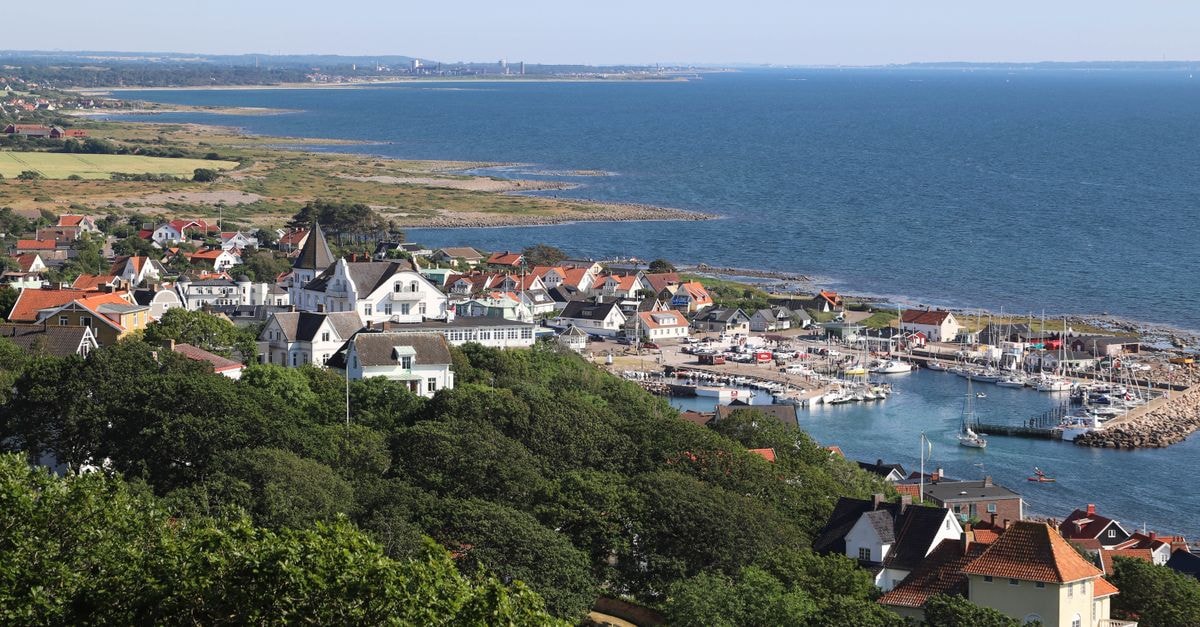
A coastal welcome to Southend-on-Sea

Southend-on-Sea sits on the estuary where the Thames meets the North Sea, and it carries that breezy, salty-air feeling that defines British seaside towns. The pier stretches out over the water in a way that makes the skyline feel lighter, and the front has that particular rhythm of arcades, ice cream, deckchairs, and families drifting along the prom. It's the kind of place where a short visit can feel spacious, and where walking is part of the appeal.
This guide keeps things simple. Rather than overload you with promises, it focuses on two practical areas that matter most on arrival: how the city's travel information is delivered to you online, and how the wider United Kingdom's food culture shapes what you might find on a plate while you are here. Everything below is grounded in the verified sources available, with no filler.
Getting around Southend-on-Sea
The most useful first step, before you even step onto a train or bus, is understanding how the city's own travel information is presented. The Southend-on-Sea hotels and city information page is published in English, which is reassuring for international visitors who might worry about parsing a regional site. That language choice means timetables, booking prompts, and accommodation listings will arrive in English by default, and you can plan without a translation tool in your pocket.
The same page will automatically end your session after a period of inactivity, so if you are comparing hotels or routes on a laptop in a café, expect the screen to reset if you wander off to order another coffee. The practical takeaway is straightforward: if you find a hotel you like, note the details somewhere outside the browser before stepping away. It is a small habit, but it stops the lost-search frustration that catches a lot of travellers who browse on a break.
Beyond the screen, the seaside layout of Southend-on-Sea is forgiving. The classic British resort pattern — seafront, high street, gardens, residential streets behind — means you can build an intuitive mental map within an hour of walking. That kind of compact geography tends to suit travellers who would rather wander than pin a checklist to a map.
Food and the wider UK table
Food is where expectations and reality most often collide for first-time visitors to the United Kingdom. The country has a much richer culinary story than the stereotypes suggest, and that wider context applies directly to Southend-on-Sea, because seaside towns draw on the same national pantry of dishes and dining habits as anywhere else in the UK. Treating British food as one fixed thing undersells what you will actually find on menus, from regional bakes to modern small-plate kitchens.
Dining customs in the UK are also worth understanding before your first meal out. Pubs are social hubs rather than only drinking spots, and many serve substantial food at lunch and dinner. Tipping is appreciated but not as rigidly demanded as in some other countries; rounding up or adding ten percent for good table service is a comfortable norm. Meals are unhurried by design, and it is normal to linger, which suits the holiday rhythm of a seaside visit.
On the plate, expect a conversation between traditional dishes and contemporary cooking. Classic British fare such as fish and chips, pies, roast dinners on Sundays, and savoury breakfasts still anchors many menus, but coastal towns like Southend-on-Sea also tend to draw on seafood traditions, with simple preparations that let the freshness speak. Vegetarian and vegan options have grown considerably across the UK in recent years, and most established restaurants in tourist areas will list at least one plant-based main.
What you should not do is treat any of this as a fixed ranking. Without verified, up-to-date information about specific restaurants, prices, or opening hours in Southend-on-Sea, the honest advice is to walk the high street and the seafront once you arrive, read the menus posted outside, and choose what looks and smells right to you. That approach respects both the city's character and the limits of what this guide can responsibly claim.
Planning your meals without a checklist
Because this is an evergreen guide built only on confirmed facts, it deliberately resists turning dining into a to-do list. Instead, a useful mindset is to plan around three moments: a proper sit-down meal early in your trip to recalibrate your sense of UK portions and pacing, a casual pub lunch on a day when you want to keep things easy, and at least one meal where you simply follow a local recommendation rather than a search result.
If you have dietary needs, it is worth learning a few useful phrases and ingredient names before you travel, since menu terminology in the UK can be idiosyncratic. Asking whether a dish contains specific allergens is well understood and not considered rude, and most kitchens will accommodate clearly stated requests. Travellers who observe religious dietary practices will generally find options, but again, verifying with the venue itself is the safest route.
For budget awareness without overcommitting to numbers, think of a UK seaside town meal in broad strokes. A pub lunch and a soft drink will generally feel like a mid-tier spend in sterling, while a full three-course dinner in a restaurant on the front will cost more. The exact figure varies with where you sit and what you order, so use your own conversion and check the live exchange rate on the day rather than relying on a number printed in any guide.
A simple rhythm for the visit
Southend-on-Sea rewards slow exploration rather than a packed agenda. A gentle plan that suits most visitors is to walk the seafront and pier area on the first day to get your bearings, then spend a quieter second day exploring the streets inland, finishing with a relaxed meal that lets you compare notes on what you have seen. That kind of structure leaves room for weather, conversation, and the small surprises that make a seaside town memorable.
Keep your phone charged, your hotel confirmation saved offline, and your plans loose. That, more than any single attraction, is how UK coastal visits tend to work best.
A note on accuracy
Travel information, prices, opening hours, and local services change frequently. The factual details in this guide are drawn from verified sources, but conditions on the ground can shift between writing and your visit. Before booking accommodation, ordering travel, or committing to a specific venue, please cross-check with official channels and the operator's own website. Live exchange rates for sterling should also be confirmed on the day of any currency exchange.
Share this article
TOOLS FOR THIS PLAN
Make the Southend-on-Sea plan measurable
Choose a tool only when it answers the next question in your trip. Your values stay in the browser, and each tool offers a route back to this planning context.