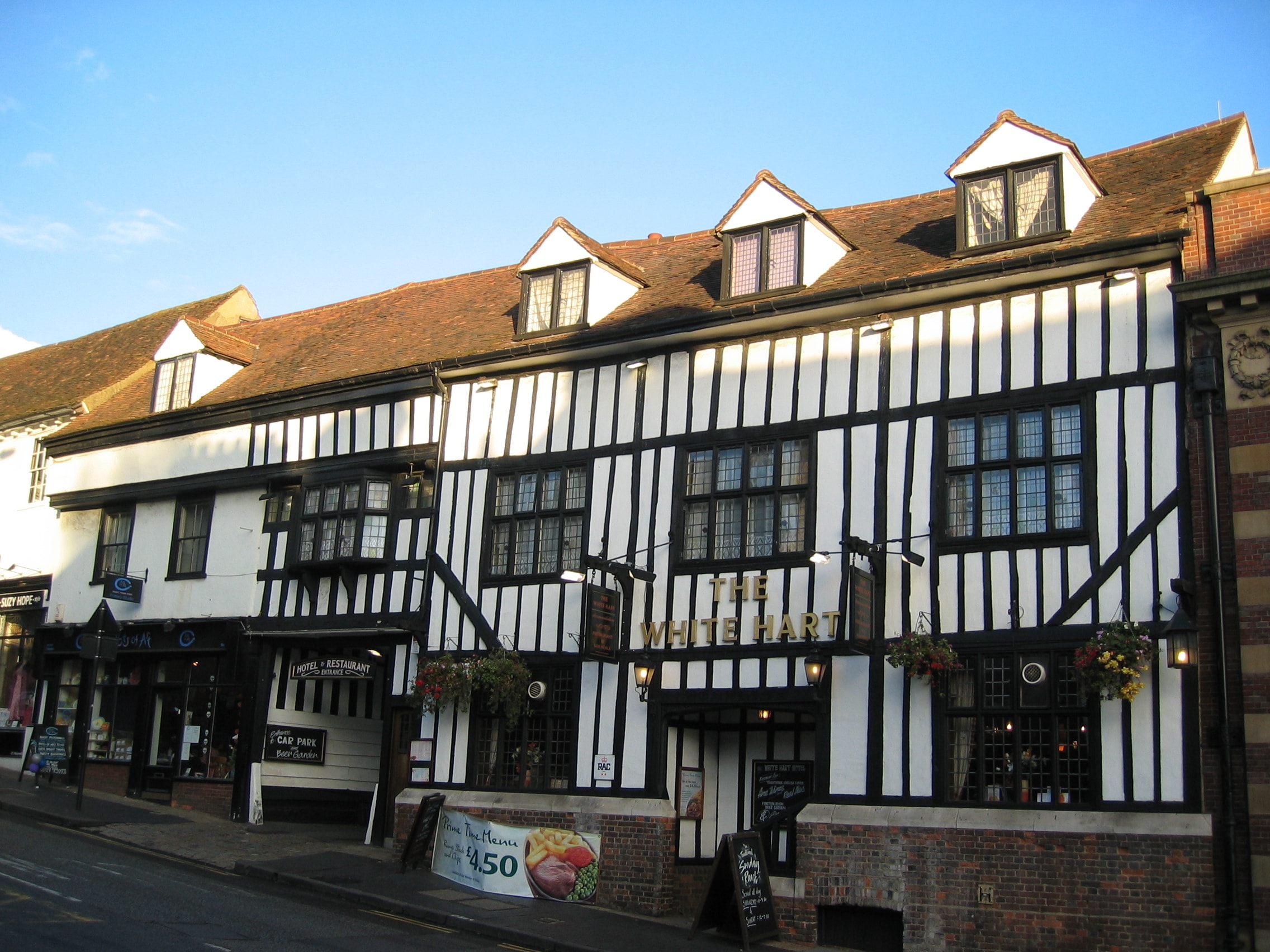
A graceful city break at Britain's doorstep

For independent travellers and couples looking for a cultured weekend break, St Albans reads almost like a story you can walk through: a Roman city underfoot, a Saxon saint at the centre of its identity, and a working cathedral still very much alive today. The city centre is compact and welcoming, the kind of place where you can wander between landmarks without ever feeling rushed, and where a sense of unhurried discovery seems to be part of the rhythm of the day.
Getting around and arriving from London
The simplest way to begin a St Albans trip is by rail. Direct services from central London reach the city in around 20 minutes, and the route is short enough that the journey itself feels like a soft transition rather than a commute. That proximity is one of the city's quiet superpowers: you can be having breakfast in London and standing among Roman ruins before lunchtime.
Once you are in St Albans, the city centre rewards walking. The main historic sites cluster close together, and the distances are short enough that you can move between them at a relaxed pace. There is also a calendar of excellent entertainment, engaging events and fantastic festivals running through the year, which means that beyond the headline landmarks, the city tends to feel lively without ever being overwhelming. If you are travelling during a festival week, it is worth checking the local listings in advance so you can fold a market, concert or seasonal celebration into your day rather than stumbling on it by accident.
For visitors arriving from further afield, the practical rhythm of a St Albans visit is straightforward: arrive by train, settle into a central base, and use your feet for almost everything. That simplicity leaves more time and energy for the part of the trip that actually matters, which is standing quietly in a building that has been quietly standing for a thousand years.
A weekend shaped by history and culture
St Albans is the kind of place where a single day can feel like a small cultural pilgrimage, and where two days lets you move from the grandeur of its cathedral to the quieter, earthier story of its Roman past. The city's reputation as a perfect location for a cultured weekend break rests on exactly that contrast: soaring Gothic arches one moment, mosaic floors and ancient streets the next.
A second day in the city is best spent exploring the layers beneath and around that cathedral story. St Albans grew out of the Roman town of Verulamium, and that older chapter of the city's past is still visible in fragments, mosaics and museum collections. Pairing the cathedral with the Roman sites turns a weekend into a proper historical arc, moving from the third century back into the first millennium and then up into the medieval period, all within walking distance.
Climb the oldest cathedral tower in Britain
If there is one experience that crystallises the St Albans cathedral visit, it is the tower tour. Visitors can climb 211 steps up to the top of the oldest Cathedral tower in Britain, emerging onto a viewing point with fantastic views across the city and the surrounding Hertfordshire countryside. The climb is steady rather than extreme, but it is real, and the sense of stepping out above the rooftops after ascending through medieval stonework is genuinely memorable.
Because the tower tour is a guided experience and spaces tend to be limited, it is the kind of activity worth building your day around. Most travellers who do it describe it as the unexpected highlight of their visit, partly because the reward at the top reframes everything you have already seen on the ground. From up there, the cathedral's scale becomes obvious, the green ring of Verulamium Park reads clearly on the map of the city, and the surrounding landscape opens up in a way that makes the short hop from London feel even more remarkable.
Verulamium Museum and the Roman story
No visit to St Albans is complete without spending time inside Verulamium Museum, which sits close to the cathedral and the Roman remains of Verulamium Park. The museum is filled with ancient treasures and some of the finest mosaics outside of the Mediterranean, and it gives context to the everyday ground you have been walking over. Seeing a Roman mosaic in situ in a Mediterranean ruin is one thing; seeing one preserved and presented in a small English city is quietly astonishing in a different way.
The museum works well as a pause in the middle of the day, particularly if the weather encourages you indoors. The collections span domestic life, industry and ritual, and they make the Roman presence in southern Britain feel tangible rather than abstract. Combined with a walk through the surrounding park, where sections of the Roman wall and hypocaust still sit in the grass, the visit becomes a small lesson in how a city keeps its past visible without turning it into a theme park.
For independent travellers who enjoy learning as they go, Verulamium Museum is the kind of stop that quietly anchors a trip. It gives shape to everything around it, from the cathedral to the street names, and it leaves you with a much sharper sense of why this particular stretch of Hertfordshire matters.
Planning your time in the city
A practical way to think about St Albans is in layers rather than schedules. Begin with the cathedral and its tower tour, because those define the city's identity and reward an unhurried approach. Move next to Verulamium Museum and the Roman parkland, where the older story of the place comes into focus. Leave space for wandering the city centre streets, browsing independent shops, and pausing in cafes between the heavier cultural moments.
Because St Albans is compact and walkable, you do not need a strict timetable. The point is to give each site enough breathing room that it can do its work, whether that means sitting in the cathedral nave for a few quiet minutes or taking a slow circuit of the museum galleries. The city is built for that pace, and it responds well to visitors who treat it less like a checklist and more like a small, deeply readable place.
It is also worth remembering that the city's events calendar, with its mix of entertainment, cultural moments and festivals, means your experience can shift depending on when you visit. Checking what is on before you travel lets you decide whether you want a quieter heritage-focused weekend or a livelier visit shaped by a particular event.
A short note before you go
St Albans rewards a little preparation but very little fuss. Trains from London are frequent and fast, the centre is walkable, and the headline attractions are concentrated enough that you can see the essentials without rushing. Factual travel conditions can change, so it is always wise to confirm train times, opening hours and any event details through official channels before you set off.
A final gentle reminder: rates, schedules and ticket arrangements should be checked close to your travel date, and any booking for the cathedral tower tour is best made in advance through the cathedral's own channels. With that small amount of planning, St Albans offers one of the most rewarding short breaks you can take from London, and a city that stays with you longer than the length of the train ride that brought you there.
Share this article
TOOLS FOR THIS PLAN
Make the St Albans plan measurable
Choose a tool only when it answers the next question in your trip. Your values stay in the browser, and each tool offers a route back to this planning context.