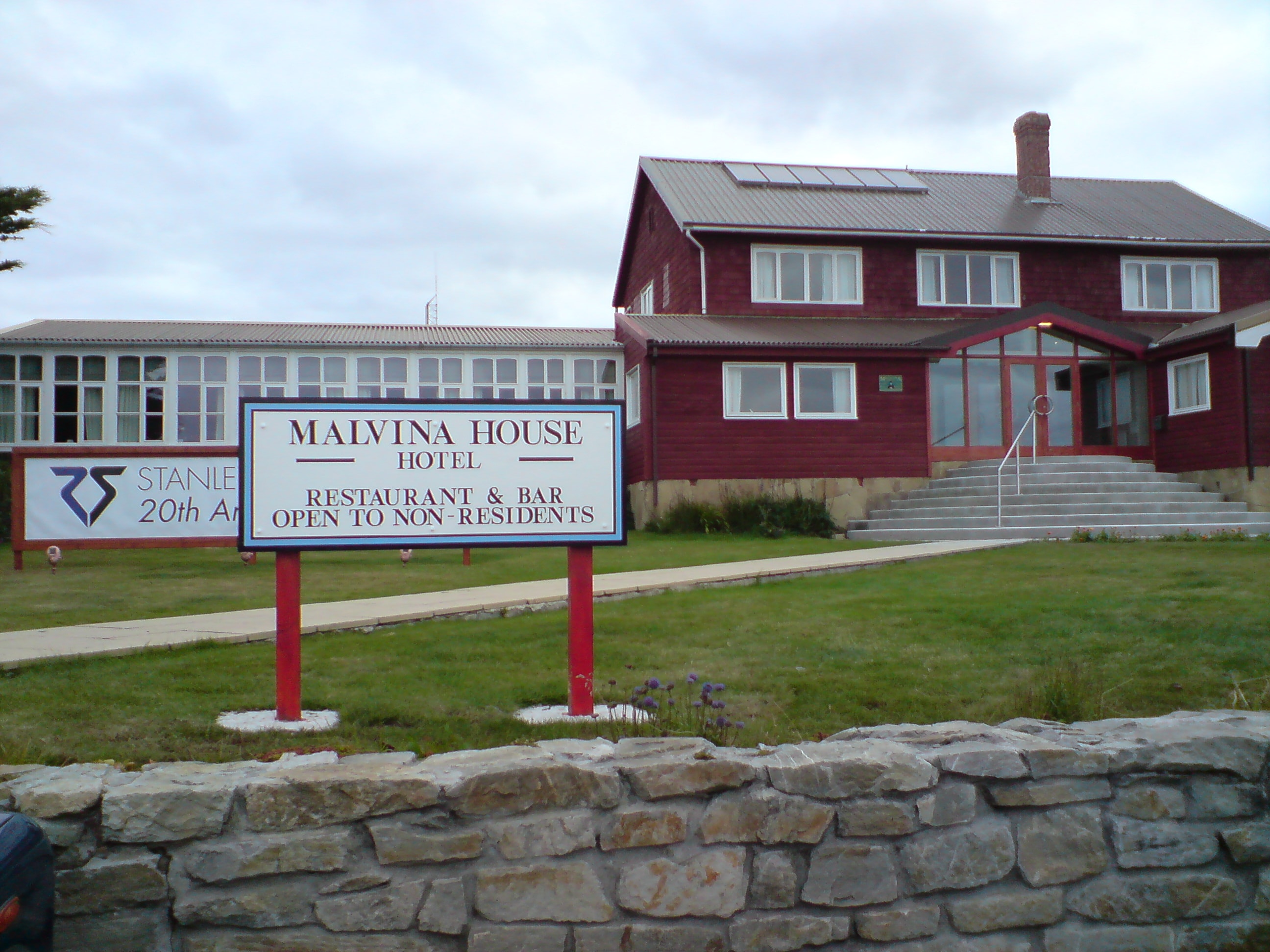
A quiet harbour welcome

There is something instantly disarming about Stanley, the capital of the Falkland Islands. The town stretches along a sheltered harbour, and the row of colourful buildings that follows the waterfront gives it the feel of a small British port dropped into a vast South Atlantic landscape. It is a place that rewards unhurried wandering, a flat pair of shoes, and a healthy curiosity about its layered history. Most visitors arrive already aware of the islands' wider story, but the capital itself is what makes that story tangible, from the dockside museums to the pubs and wine bars that warm up the evenings.
Because Stanley is compact and largely linear, settling in feels fast. Within a single afternoon you can read the harbour, the high street and the surrounding hills, and start to understand why residents often refer to the town simply as "town."
Getting around on foot
Stanley is easily explored on foot, which is the single most useful piece of practical advice for any visitor. The main sights sit close together in the central area, so there is little need for taxis, hired cars or shuttle services just to take in the essentials. The growing settlement now stretches a good distance along and above the shoreline, but the part of town that visitors come to see is genuinely walkable, with sea air and a clear horizon as constant companions.
A few small habits help. Layers are a good idea because the wind off the harbour can change quickly, and a light waterproof jacket earns its space in a daypack. Roads are quiet and the pace is gentle, so crossing between the waterfront and the streets just behind it rarely takes longer than a few minutes. For anyone with limited time on shore, walking is also the most efficient way to combine the harbour views with the inland historic sites without backtracking.
A town shaped by history and harbour views
Stanley offers a thoughtful mix of attractions, anchored by its working harbour and its public history. The Historic Dockyard Museum is one of the most visited sights in the capital city, and it makes a natural starting point because it explains the maritime and political story that frames everything else you will see around town. From churches to memorials and intriguing architecture, Stanley also layers in British pubs and wine bars so you can spend an evening unwinding after seeing what makes this small city tick.
The look of the town is part of the experience. Stretched along the sheltered harbour, the colourful buildings of Stanley bid a warm and friendly welcome to all visitors, and even a slow walk along the front lets you take in the scale of the place. Many of the smaller sights are clustered within a short radius of the museum, so it is easy to build a morning around history and then leave the afternoon open for wandering.
A relaxed way to read the town is to follow the waterfront first, taking in the harbour and the painted facades, and then loop inland to the historic buildings and memorials. This way you orient yourself geographically while the buildings themselves do most of the storytelling. Even visitors who arrive with little background knowledge tend to leave with a clear sense of how the town grew around the harbour and how that harbour still defines it.
Evenings and eating out
After a day of walking and museum stops, Stanley offers a pleasant contrast in the evening. The town boasts a variety of eating opportunities including cafes, pubs and restaurants, which means you can choose between a quick coffee and a slice of cake, a relaxed pub dinner, or a more sit-down restaurant meal depending on your energy level. Pubs and wine bars also double as social hubs, so the evening scene is as much about conversation as it is about food.
Because Stanley is small, walk-ins tend to be the norm rather than the exception, and many of the popular spots sit within an easy stroll of the harbour. A simple rhythm works well: a daytime circuit of attractions, a rest back at your accommodation, and then an evening out in town without needing to plan ahead.
Planning your time in the capital
Most of the sights that draw visitors to the Falklands' capital are concentrated in the centre, so two to three days is a comfortable span for seeing Stanley at a relaxed pace. The walkability of the town means you can spend your days outdoors without it feeling like a schedule, and your evenings can shift naturally between quiet pubs and busier restaurants as you choose.
A few practical habits make a Stanley stay smoother. Build in time to revisit a favourite corner, because the changing weather gives the harbour a different personality from hour to hour. Keep at least one fully unscheduled morning so you can react to whatever conditions the day offers. And treat the waterfront as the spine of your visit, returning to it between stops rather than treating it as a single sight to tick off.
For anyone visiting from further afield, Stanley rewards travellers who arrive curious rather than over-planned. The town is compact enough to feel intimate, but rich enough in history and atmosphere that a short stay leaves a clear impression.
A final note before you go
Factual travel conditions can change, and details such as opening hours, ferry connections, museum access and local services may shift over time. Before departure, check official Falkland Islands tourism channels and current government information for the latest guidance, and confirm anything that could affect your plans. Rates, prices and timetables mentioned in wider travel material should always be treated as a reference point only, and verified closer to your travel date.
Stanley has the rare quality of feeling both remote and welcoming. With comfortable shoes, a flexible attitude and a willingness to follow the harbour, you can experience the heart of the Falklands in just a few unhurried days.
Prices, opening hours, schedules, reservation rules, and local conditions can change; verify them through official channels before departure.
Share this article
TOOLS FOR THIS PLAN
Make the Stanley plan measurable
Choose a tool only when it answers the next question in your trip. Your values stay in the browser, and each tool offers a route back to this planning context.