A Quiet Coastal Discovery: Sumbe Travel Guide

On the Atlantic shoreline of Kwanza Sul Province, Sumbe is the kind of place that rewards unhurried travelers. The capital of its province carries a slower rhythm than Angola's larger hubs, with a seafront setting and a handful of landmarks that tell the story of its religious and civic past. This is not a city that competes for attention; it invites it. For visitors who prefer low-key coastal stops over capital-paced itineraries, Sumbe offers a refreshingly simple base, anchored by its historic churches, its coastal light, and the practical reality that reaching it means connecting through a bigger city first.
Weather and seasonal context
Sumbe's climate is shaped by its position on the Angolan coast, where Atlantic breezes keep conditions relatively moderate. The average temperature reads around 23°C, a figure that frames the city as comfortable for walking between sights rather than escaping extreme heat. Humidity tends to run high in coastal Angolan towns of this kind, and the air can feel heavier than the temperature suggests, especially inland from the immediate shoreline. Travelers sensitive to humidity may want to plan outdoor religious-site visits for the cooler parts of the day, when the breeze off the ocean is most likely to soften the air. Lightweight clothing, sun protection, and a layer for air-conditioned interiors are sensible year-round companions.
Getting around
Sumbe does not have its own commercial air gateway in the practical sense most independent travelers use. The most common arrival route begins with a flight into either Luanda, the national capital, or Lubango, followed by a road leg by bus or by hired private car. This two-step journey is worth factoring into any plan: the flight gets you to Angola, and the overland portion carries you along the coast to Sumbe itself. For travelers who dislike tight connections, building in a buffer between the flight and the road transfer can prevent the kind of stress that long transfer days often produce, particularly when luggage, fuel stops, or roadside conditions eat into the schedule. Once in the city, distances tend to be manageable on a local scale, and visitors usually pair a hired driver or short transfers with the main sights rather than relying on public transport for sightseeing.
Attractions and planning
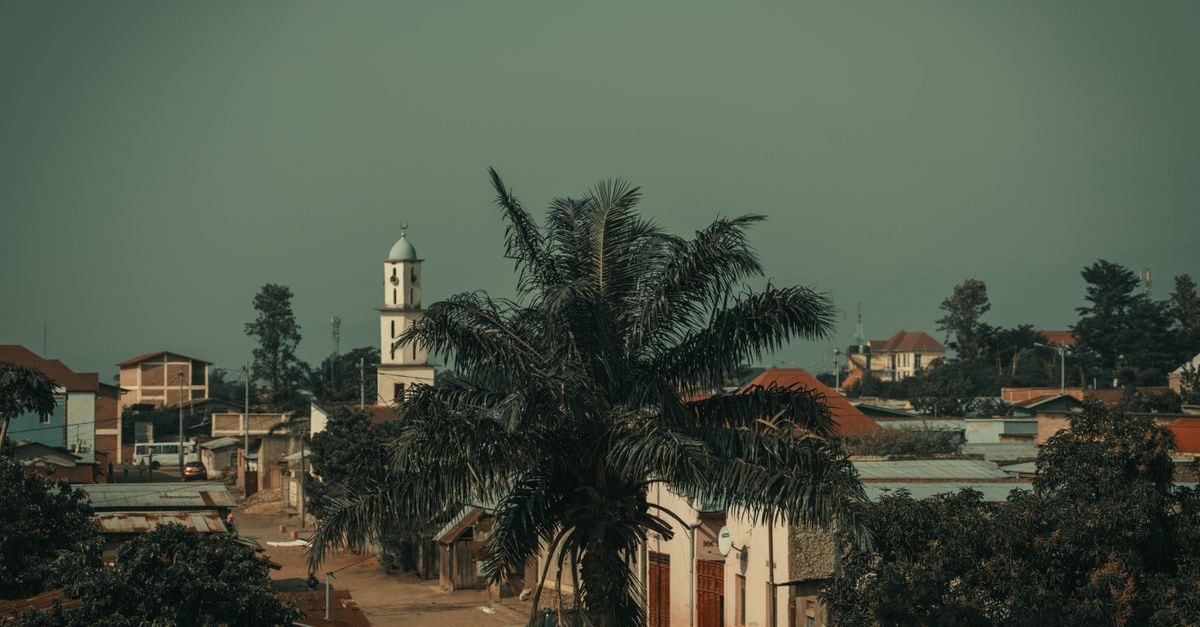
Sumbe's sightseeing palette is intimate rather than sprawling, and that is part of its charm. The Cathedral of Sumbe stands as the city's most cited religious landmark, and a visit here offers more than a quick photo stop. The architecture rewards a slower look, and the religious heritage of the region reads in the building itself. Travelers with an architectural or photography interest may want to spend extra time here, since the structure carries the kind of detail that rewards unhurried framing rather than a passing glance. Pairing the cathedral with any nearby historic churches and religious sites in the city creates a coherent half-day route through Sumbe's spiritual landmarks, and visitors who appreciate quieter cultural stops will find this thread one of the more rewarding ways to understand the city's identity.
Because Sumbe's attractions cluster rather than scatter, the city lends itself to walking between nearby sites, with a hired car reserved for longer legs or for the arrival transfer itself. Visitors who prefer minimizing stair climbing or who want to keep a day simple may find this concentration a genuine advantage, since the city's main draws can be approached without complicated logistics.
Choosing what fits your trip
Sumbe suits travelers who want a calm coastal base, an unhurried pace, and a clear sense of religious and civic heritage rather than a long list of attractions. Visitors who enjoy shorter walking days and slow architectural sightseeing may find the city rewarding, especially those who treat it as a coastal stop rather than a busy itinerary. Those who prefer dense urban sightseeing, large museums, or a wide menu of evening activities may want to reconsider how Sumbe is positioned in their wider Angola plan, because the city's strengths are in its quiet setting and its handful of landmarks rather than in scale. Travelers sensitive to humidity should also pace outdoor segments for the breezier parts of the day.
A note on what to confirm before you go
Factual conditions for travel in Sumbe can change, and details such as road transfer schedules, current entry requirements for Angola, and the operating status of religious sites should be confirmed through official Angolan tourism channels and your accommodation before departure. Local guidance once you arrive, particularly from your lodging, is often the most reliable source for current conditions.
Prices, opening hours, schedules, reservation rules, and local conditions can change; verify them through official channels before departure.
Share this article
TOOLS FOR THIS PLAN
Make the Sumbe plan measurable
Choose a tool only when it answers the next question in your trip. Your values stay in the browser, and each tool offers a route back to this planning context.