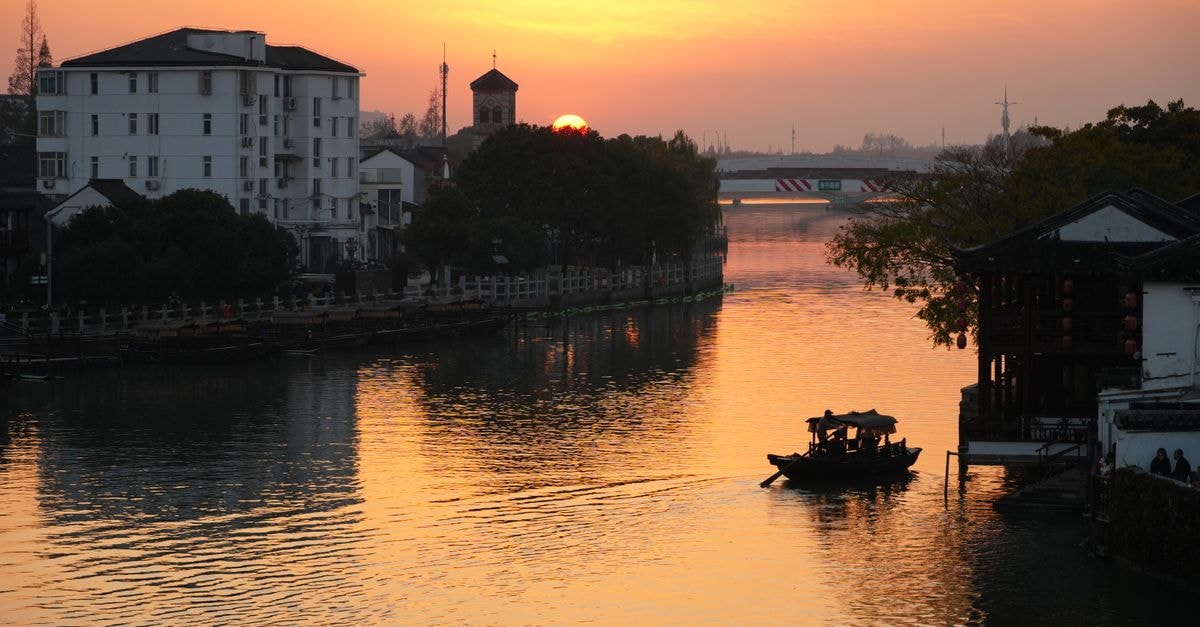
A gentle introduction to Suzhou

Suzhou has a way of slowing you down even before you notice. Canals curl through old neighborhoods, willows lean over stone bridges, and the city’s classical gardens feel like quiet rooms built outdoors. The garden tradition here is one of the oldest in China, with roots stretching back well over a thousand years, and it still shapes how the city thinks about beauty, leisure and pace.
Getting around
Metro Line 2 is a useful spine for many travelers. It runs from Qihe through to Sangtiandao, passing through Suzhou Railway Station and North Railway Station along the way, which means a single line can link you with both major rail hubs in the city. If you are arriving by train and want to drop your bags before exploring, this is the line that makes that easy.
Metro Line 3 stretches between Suzhou New District Railway Station and Weiting and serves 37 stations, giving you broad coverage of the western and eastern parts of the city. Together with Line 2, it forms a loose cross that reaches most of the urban core, so plotting a route between a garden in the morning and a food street in the evening rarely requires more than one transfer.
If you are flying into Shanghai first, long-distance buses run from PVG airport to Suzhou, with the pickup point at the parking lots on the 2nd floor of the PVG terminal building. That is a useful fallback for travelers whose flights do not match up neatly with train schedules, and it keeps the door open even if the rail option looks complicated on a given day.
Within the old town, a short rickshaw ride or a shared bicycle often feels more appropriate than a taxi. Streets are narrow, views are part of the experience, and a slow pace lets you notice the details — carved gateposts, a teahouse window, a single magnolia in bloom — that you would simply roll past in a car.
Attractions and planning
The classical gardens are the heart of any Suzhou itinerary. Two in particular tend to anchor a first visit, and understanding what makes each one distinct helps you decide where to spend your time.
The Humble Administrator’s Garden, known in Chinese as Zhuo Zheng Yuan, is the largest garden in Suzhou and one of the four most famous gardens in China. It is widely described as a masterpiece of classical garden design from the South Yangtze River region, which is the cultural and geographic zone Suzhou belongs to. Expect pavilions connected by covered walkways, water features that borrow views from beyond the walls, and a layout that rewards slow wandering rather than a checklist.
Canglang Pavilion, also called the Blue Wave Pavilion, is the oldest Suzhou garden, with a history that can be traced back more than a thousand years. Where the Humble Administrator’s Garden can feel grand and theatrical, Canglang often feels more contemplative, with old trees, rockeries and a quieter relationship to the surrounding landscape.
For practical planning, a few evergreen tips help. Both gardens require a ticket and have separate opening hours that change with the season, so checking the official site or your hotel front desk the morning of your visit is worth the small effort. Comfortable walking shoes matter more than a camera, because the stone paths and low archways are part of the charm but punish flimsy footwear. Give yourself at least half a day for one garden; rushing through a Suzhou garden is a little like speed-reading a poem.
Food and local context
Suzhou sits in Jiangsu province, and its food culture reflects both its inland waterways and the wider culinary identity of the region. Jiangsu province has a 620-mile coastline on the Yellow Sea and a supply of freshwater fish from Taihu Lake, and these broader geographic conditions help explain why Suzhou cuisine leans toward freshwater fish, delicate seasoning and a clear, slightly sweet finish that many visitors notice right away.
One dish that often becomes a talking point is the sweet and sour fried squirrel mandarin fish, a Suzhou classic that is also well known across Jiangsu province. The fish is scored, fried so the flesh fans out like a squirrel’s tail, and served in a bright sweet-and-sour sauce. It is as theatrical on the plate as it is on the menu, and it is a fair introduction to how Suzhou balances flavor and presentation.
If you have room for dessert, Eight Treasures Rice is another local favorite — a sweet sticky-rice dish studded with fruits, nuts and seeds that feels celebratory without being heavy. One long-standing option for trying it in the traditional style is Xu’s Restaurant, which is associated with the classic serving of this dish. As with any specific restaurant, hours and menus can shift over time, so it is worth confirming the current setup before you go.
Across wider Chinese dining culture that visitors often encounter while in Suzhou, a few habits are worth knowing. Tea is usually served with the meal and refilled often, and small dishes may arrive that are not what you ordered — they are shared accompaniments. Pointing your chopsticks upright in a bowl of rice is something to avoid, as the gesture is associated with funeral offerings in Chinese tradition. Tipping is generally not expected in everyday restaurants, though upscale venues and hotel dining rooms may handle it differently.
A final word before you go
Suzhou rewards travelers who plan lightly. Pick one garden to love rather than three to rush through, give the metro a chance to become your default, and let at least one meal be a long, tea-poured affair rather than a quick stop. The city has been welcoming visitors to its gardens, canals and kitchens for centuries, and it does not need a packed schedule to make its case.
Factual travel conditions can change at any time, and details such as metro extensions, garden opening hours, ticket prices and bus pickup points should be confirmed through official channels before departure. Treat this guide as a starting point rather than a final word, and let the city surprise you in the small moments between the listed highlights.
Share this article
TOOLS FOR THIS PLAN
Make the Suzhou plan measurable
Choose a tool only when it answers the next question in your trip. Your values stay in the browser, and each tool offers a route back to this planning context.