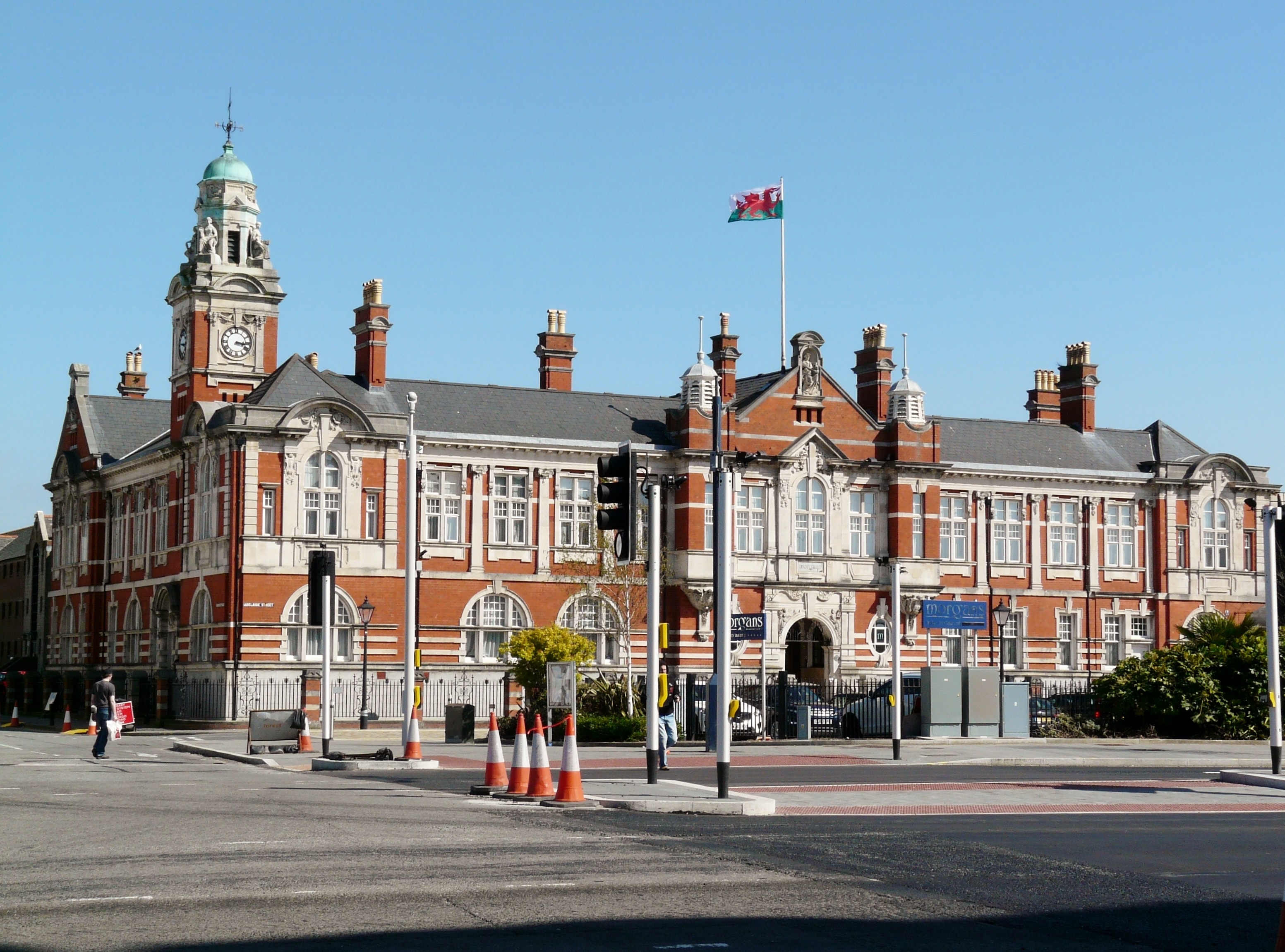
A coastal Welsh city that rewards a slower pace

Swansea sits on a wide sweep of South Wales coast, and it has a way of pulling travellers out of their usual rhythm. The city mixes working harbour energy with a long, walkable shoreline, and it feels distinctly Welsh without being a museum of itself. If you are the kind of visitor who likes a destination where you can stroll in the morning, eat well at lunch, and still have time for a quiet hour by the water, Swansea fits comfortably into that kind of trip.
What follows is grounded city guidance rather than a checklist of generic travel advice. The focus is on two things the evidence supports particularly well: how to think about the coastal attractions that frame the visit, and how to approach the food scene, from bakeries to market stalls and waterfront kitchens.
Attractions and planning: building your time around the bay
The single most useful framing decision for a Swansea trip is to let the bay shape your day. Swansea Bay is described as a long sweeping bay with a promenade perfect for walking, running, or cycling, which makes it less a single sight to tick off and more a spine that connects the rest of the city. When you plan around that curve, everything else — morning coffee, a midday pause, an evening stroll — falls into place more naturally.
Because the bay is so central to the experience, it helps to think of your time in layers rather than as a back-to-back schedule. A loose rhythm might be: a long waterside walk as the anchor of one day, a slower wander through streets and lanes the next, and a final half-day reserved for whatever you missed. The point is not to pack in attractions but to give yourself permission to pause along a seafront that genuinely invites it.
A few practicalities are worth keeping in mind without turning them into hard rules:
- Footwear matters more than itinerary. The promenade is flat and forgiving, but side streets climb and cobble in places. - The bay is long, which means choosing a smaller section per day is more enjoyable than trying to cover it end to end in one go. - Cycling is a real option, not just a nice idea — the promenade is built for it.
It also helps to remember that a destination's "top attractions" list is a starting point, not a verdict. What is consistently highlighted for Swansea is the combination of sandy beaches and music venues alongside the broader coastal setting, which suggests a city where outdoor time and live culture sit comfortably next to each other. Travellers who enjoy layering sea air with a soundtrack tend to feel especially at home here.
Food and local context: bakeries, markets and waterfront kitchens
Swansea's food identity is one of its quiet strengths, and it is worth approaching it in three layers: a beloved local bakery tradition, a working market, and a growing scene of waterfront and neighbourhood restaurants.
**Bakeries and the corned beef pasty.** A distinctive lunchtime habit in South Wales bakeries is the corned beef pasty, and at Swansea Market the bakeries make them in huge numbers to satisfy local demand. For visitors, this is less a curiosity to photograph and more a practical, inexpensive lunch option. If you want to eat the way locals do on a working day, joining the queue at a market bakery for a corned beef pasty is one of the most direct ways to do it.
**Swansea Market.** The market is a natural pivot point in any food-led visit. It is where the city's produce culture and street food tradition meet, and it works well as a place to graze rather than to commit to a single sit-down meal. Building a late-morning loop around the market — a coffee, a pasty, a look at the produce stalls — is a light and satisfying way to anchor a half-day.
**Waterfront and neighbourhood restaurants.** Beyond the market, the dining scene is described as one of Britain's quietly rewarding food cities, with local Welsh produce taking a leading role at many of the best bay-side eateries. Eating near the bay adds the sea view to the meal, which is part of the experience even if the food were identical elsewhere. There is also a broader Welsh dining geography at play, with popular eating neighbourhoods beyond the bay and city centre — visitors who like to mix a meal in with a walk or a short ride tend to appreciate having options in different directions rather than concentrating every meal in one spot.
**Wider UK dining context.** Within the United Kingdom more broadly, traditional dishes, dining customs and culinary experiences tend to surprise visitors who arrive with outdated expectations. British food culture has moved well past the clichés, and Swansea reflects that shift: regional Welsh produce is treated with care, markets remain everyday institutions, and the range of what you can eat in a single day is wider than many first-time visitors expect.
A few grounded habits help when eating your way around the city:
- Treat the market as a meal in itself rather than a placeholder between meals. - Walk to a waterfront restaurant at least once; the setting is part of what you are paying for. - Mix a familiar neighbourhood meal with a more focused, produce-driven one to feel the range.
How to think about time, pace and budget
Because this guide is intentionally evergreen, it focuses on patterns rather than precise daily prices. What the evidence supports clearly is the shape of a Swansea day: a bay, a market, a meal with a view. That trio can be as cheap or as generous as you want it to be, because the most distinctive experiences — walking the promenade, eating a pasty from a market bakery, browsing produce stalls — cost very little, while a sit-down waterfront meal lets you spend more if the mood takes you.
A reasonable mental model for many independent travellers is to budget for one proper restaurant meal per day, with the rest of the eating done at stalls, bakeries and cafes. That balance tends to keep costs sensible while still letting you experience the city's stronger dining rooms.
If you are visiting for the bay, plan on at least one full morning or evening devoted to the promenade without an agenda. If you are visiting for the food, give the market real time rather than a rushed loop. If you are visiting for both — which is the more rewarding way to do Swansea — let one activity set the pace and the other follow.
A short, honest checklist before you go
A few grounding reminders, all consistent with the supported facts rather than added on top of them:
- Treat Swansea Bay as your main outdoor thread and let other plans drape from it. - Plan to eat at least once at Swansea Market, and consider a corned beef pasty as your introduction. - Include at least one meal with a view of the bay if your schedule allows. - Allow for both walking and a slower seated moment in the same day; the city suits a mixed pace.
Factual travel conditions — opening hours, market stall line-ups, restaurant availability and seasonal programming — can change, so it is worth checking official channels and current listings before you travel. This guide is a framing for your visit rather than a substitute for up-to-date information on the ground.
Share this article
TOOLS FOR THIS PLAN
Make the Swansea plan measurable
Choose a tool only when it answers the next question in your trip. Your values stay in the browser, and each tool offers a route back to this planning context.