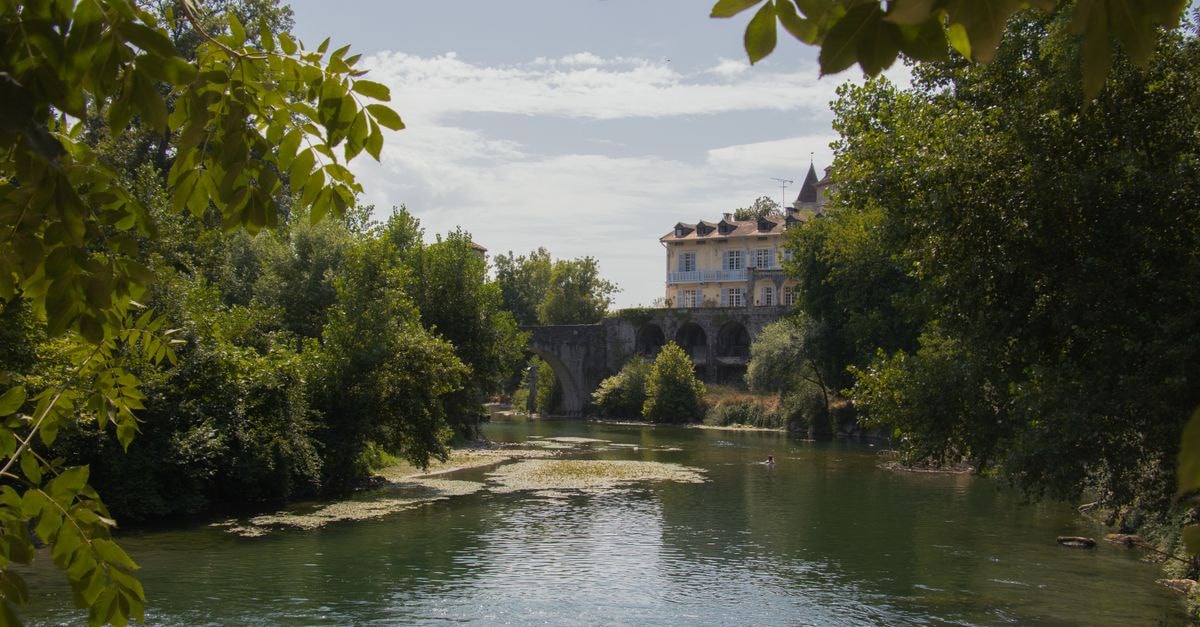
A first look at Szeged

There's a quiet confidence to Szeged, a southern Hungarian city that feels unhurried even when its main square hums with life. The river Tisza runs wide along its edge, the façades glow in warm ochre and cream, and the whole centre seems designed for slow wandering rather than frantic checklist tourism. For independent travelers who like a base city that rewards curiosity on foot, Szeged makes a generous, easygoing companion.
What gives the city its character is a particular combination of things: a compact layout, a couple of monumental landmarks, a richly layered architectural past and a food tradition that locals talk about with real pride. You don't need a packed itinerary to feel oriented here. A loose plan, a willingness to drift, and a healthy appetite for paprika-spiced cooking will get you a long way.
Weather and seasonal context
The city centre of Szeged is compact and almost entirely walkable, which shapes how every visitor experiences the weather here. When the day leans warm and bright, moving between landmarks under open skies is part of the pleasure. When conditions turn cooler or wetter, the same compactness means you're rarely more than a short stroll from a café, a covered arcade or a church doorway where you can pause and warm up.
Because the city spreads so little between its main sights, you can pace your day almost entirely to your own comfort. There's no need to rush from one distant district to another to see the highlights. A slower rhythm, with plenty of stops for coffee or a long lunch, tends to suit the tempo of the place.
The Tisza riverfront adds a different rhythm. Walking along the embankment, you'll notice how the light and breeze shift along the water, and how the long, flat horizon opens up the sky. In the cooler half of the year, this side of the city can feel brisk, so layering up makes sense before heading out for an evening walk.
No visit feels complete without pausing at a table for halászlé, the famous spicy fish soup made with freshwater river fish. It is a dish that locals treat as a point of pride, and warming up with a bowl is one of the most satisfying things to do in Szeged, especially after a long walk along the river.
Getting around
Once you arrive in Szeged, you'll find that orientation is refreshingly straightforward. Because the centre is compact, almost everything of interest lies within easy walking distance, and a sturdy pair of shoes is far more useful than any transit pass. Trams and local buses do serve the wider city, but the typical visitor's day is built around strolling between landmarks, lingering over meals and crossing the Tisza on foot.
If you're coming from Budapest, the train from Keleti station takes approximately 2 hours to reach Szeged. That ease of connection is one of the city's quiet advantages: you can base yourself in the Hungarian capital and still spend a relaxed day or two in the south without complicated logistics. Trains run regularly, and the station sits close enough to the centre that you'll be at your first landmark within minutes of stepping off the platform.
Within Szeged, the practical rhythm is simple. Walk to your first sight, stop often, eat well, and let the riverfront guide you toward the next neighbourhood. There's very little here that demands a car, a taxi or a complicated route.
Iconic sights to slow down for
Two landmarks tend to anchor any visit to Szeged, and both deserve unhurried time rather than a quick photo stop.
The Votive Church of Szeged is a stunning neo-Romanesque basilica that dominates the skyline. Its twin towers and richly patterned façade rise above Dóm Square, and the square itself is one of the most photogenic open spaces in Hungary. Even if you don't step inside, taking time to circle the square, watch the light move across the stonework and feel the scale of the building sets the tone for a thoughtful day.
Between these two anchors, the rest of the centre unfolds gently: Art Nouveau townhouses, tree-lined boulevards, pocket parks and the river. You don't need a fixed route. Walking, pausing, doubling back, and following whatever catches your eye is genuinely the best way to get to know the city.
What to eat, in Hungary's wider context
Hungary's paprika-rich cuisine runs through Szeged like a thread. Across the country, you'll encounter dishes built around sweet and hot ground paprika, river fish, slow-cooked meats, sour cream and fresh bread. Visitors to Szeged will recognise these flavours in menus throughout the city, even if the specific preparation and local pride around them is something this guide treats as part of the wider Hungarian table rather than a single restaurant recommendation.
The dish to look out for in Szeged specifically is halászlé, the spicy fish soup. Made with freshwater river fish and seasoned generously with paprika, it's traditionally served very hot and eaten as a hearty main course, often with fresh white bread on the side. Locals treat it as a benchmark of a good kitchen, and asking for a recommendation of where to try it is a perfectly natural thing to do once you've settled in.
Beyond the famous soup, expect to see goulash-style stews, stuffed cabbage, lángos and a generous pastry culture wherever you stop for a meal or a coffee break. Vegetarians will find options, particularly around the squares and riverside cafés, though Hungary's traditional cooking leans heavily toward meat and fish. Take your time at meals; the local rhythm is to linger, talk, and let the afternoon unfold.
A few practical notes before you go
Szeged rewards travelers who plan loosely rather than tightly. Two or three full days give you enough time to walk the centre at a comfortable pace, cross the river, eat well, and catch at least one open-air event or sunset along the embankment. Shorter visits work too, but you'll likely leave wanting more.
For travel from Budapest, trains from Keleti station to Szeged take approximately 2 hours, and the station is well connected to the city centre on foot. Within Szeged, walking is genuinely enough for most visitors, and the compact layout of the centre means you can adjust plans on the fly without losing time.
Before you travel, check the local event calendar so you know whether a festival, concert or market will colour your visit. Factual travel conditions, including opening hours, transport timetables and event schedules, can change, so confirm details through official channels before you set out. Currency, transport and admission information should always be verified close to your travel date.
This guide is built on durable city context rather than a specific travel window, so the advice here should hold true across seasons. Where exact prices, schedules or seasonal events are involved, treat them as prompts to double-check rather than firm facts, and let local sources guide your final plans.
Share this article
TOOLS FOR THIS PLAN
Make the Szeged plan measurable
Choose a tool only when it answers the next question in your trip. Your values stay in the browser, and each tool offers a route back to this planning context.