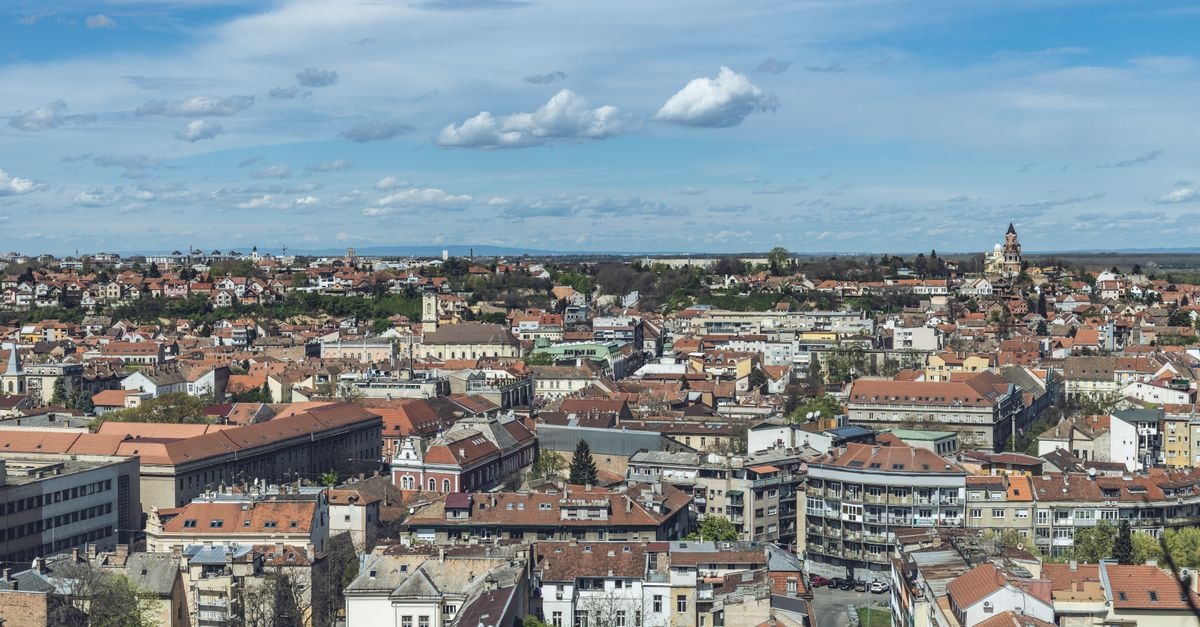
The first impression

There is something quietly stirring about arriving in a Hungarian town that once crowned kings. Székesfehérvár carries that resonance in its streets and squares without ever feeling like an open-air museum. It is the kind of place where a traveller arriving from Budapest, or pausing on the way toward Lake Balaton, can slow the pace and feel the weight of medieval Hungary underfoot.
The centre rewards unhurried wandering, the sort of afternoon that drifts between frescoed churches, small museums and tree-lined squares. Even with limited time, the layout is intuitive, and the experience feels more like a cultural pause than a checklist.
Weather and seasonal context
There is no single weather truth for Székesfehérvár; conditions shift with the season. What stays consistent is the city's open, walkable feel, with leafy parks and shaded streets that make casual exploration comfortable in warmer periods. When the days stretch longer and the air softens, the town invites outdoor walking, lingering in courtyards and gentle pauses on café terraces.
The dress code reflects the rhythm of the place. Casual attire is the everyday norm, but the city still asks for a touch of respectability when stepping inside churches or historical buildings. Carrying a light layer is useful for indoor sites, where older stone interiors can feel noticeably cooler than the streets outside. Visitors from regions with more humid summers tend to find the pace relaxed and the atmosphere easygoing, with no specific heat adaptation required beyond standard hydration.
Getting around
Székesfehérvár is best explored on foot. The historical centre is compact enough that most of the key sights sit within a comfortable walking radius, and the streets are calm and orderly.
For travellers arriving from Budapest, the city sits naturally between the capital and Lake Balaton, making it a logical pause or overnight stop rather than a rushed pass-through. The town's medieval layout can come as a pleasant surprise, with a subtle decorative touch: a scroll motive built into the pavement that lights up, adding a small but memorable modern detail to the historic streetscape. It is the kind of urban feature that rewards looking down as well as up.
The centre is generally safe for visitors, including during daytime exploration. As with any city, standard urban caution at night is sensible, particularly around quieter streets after dark, but the overall atmosphere is relaxed.
A short way outside the centre lies the village of Tác, where visitors can step into the ancient Roman world. It offers a striking contrast to the medieval Hungarian atmosphere of the main town and rewards a longer visit if time allows.
Attractions and planning
The cultural core of Székesfehérvár is its medieval story. As a former coronation city, it holds a distinctive place in Hungarian history, and the royal basilica ruins anchor that identity. Around them, city museums and frescoed baroque churches form a layered trail through different centuries of architecture and craft.
For travellers interested in heritage, the most natural approach is a slow loop through the centre, allowing time to absorb the coronation-era history before drifting toward the baroque churches. The pace suits those who enjoy context as much as spectacle.
Given the compact layout, a single unhurried day is usually enough to sense the city's character, though those drawn to history or travelling with curious children may want to stretch the visit to allow for slower exploration.
Planning notes for travellers
Because currency exchange rates fluctuate, any conversion used during planning should be treated as a reference only and confirmed against the live rate before spending. Factual travel conditions can change, so it is always worth checking official channels for current opening information, museum hours and any local notices before departure.
A few practical considerations help shape a smoother visit:
- Plan around the Tourinform office early in the day for orientation, maps and any available activity booklets. - Allow comfortable walking shoes; cobbled streets and historic surfaces reward sturdy footwear. - Keep modest clothing accessible for churches and historical interiors where respectful dress is appreciated. - Build in unhurried pauses, since the medieval and baroque atmosphere is best absorbed at a gentle pace.
Closing thoughts
Székesfehérvár does not try to dazzle. It invites. The coronation city layers medieval ruins, baroque frescoes and a thoughtful urban design into a walkable whole that feels distinctly its own. Whether approached as a pause between Budapest and Lake Balaton or as a destination in its own right, it rewards travellers who prefer depth over checklist tourism, and atmosphere over spectacle.
Factual travel conditions can change; always verify details through official channels before departure.
Share this article
TOOLS FOR THIS PLAN
Make the Székesfehérvár plan measurable
Choose a tool only when it answers the next question in your trip. Your values stay in the browser, and each tool offers a route back to this planning context.