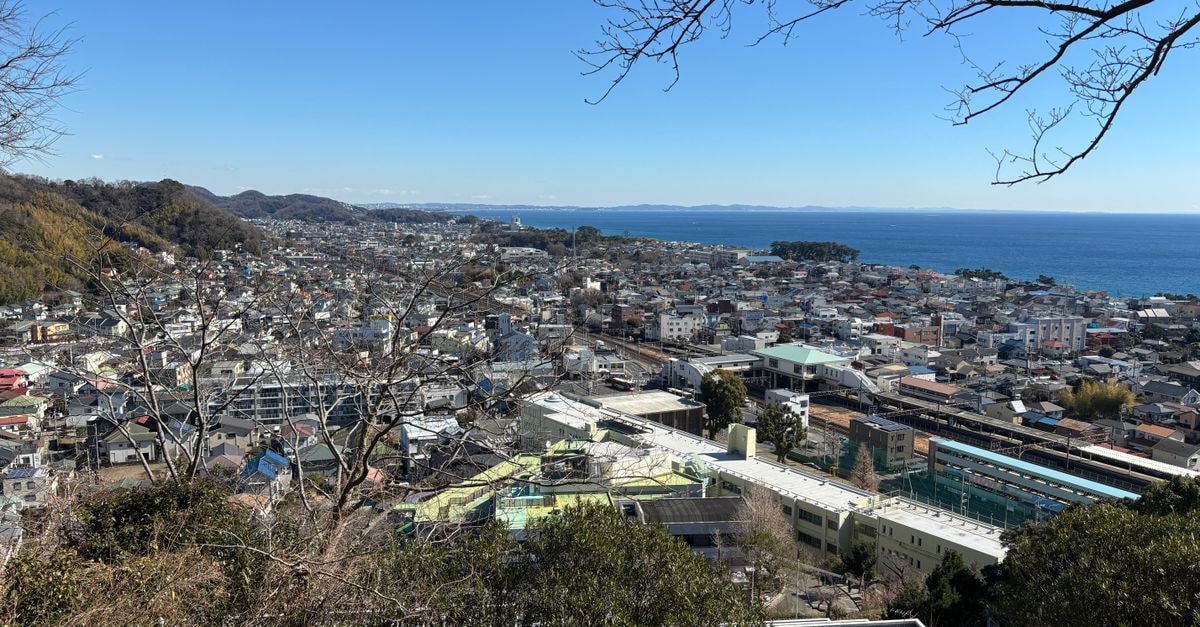
Takasaki works well as a base for travelers who want to understand Gunma through its transport hub, local food culture, and close connection to nearby heritage. It is especially useful for visitors who prefer arriving by train but still want the option of exploring farther by car. The city also has a distinctive culinary thread: Japanese Western-style pasta and a long history of wheat-based “konamono” foods.
Weather and seasonal context
Takasaki sits in the flatter, more urban part of Gunma, alongside Maebashi. Average winter temperatures are around 5°C, while summer temperatures average approximately 26°C. These figures are useful for calibrating clothing and the pace of an outing, but they are long-term averages rather than a forecast for any particular day.
If you prefer a cooler travel rhythm, cooler conditions may encourage a mix of indoor food stops and outdoor time. If heat is not your preference, a summer visit may call for a slower pace and more attention to the weather forecast. Because conditions can change, check a reliable forecast shortly before departure.
Autumn also has a strong visual association with Japan, when landscapes can turn gold, yellow, and orange from September onward. That is broader Japanese seasonal context rather than a guarantee of a specific foliage condition in Takasaki, so treat it as inspiration for timing rather than a promised local spectacle.
Getting around by train or car
Takasaki is Gunma’s main train hub, with comprehensive train coverage across the southern, more urban part of the prefecture. Most routes from Tokyo lead directly to Takasaki, and local trains and buses can carry you onward from the city. If you prefer to avoid navigating a rental car for the first part of your trip, arriving by train may suit you.
For travelers who want more freedom beyond the rail-connected city, several car rental outlets are clustered in Takasaki. One possible arrangement is to take the shinkansen to Gunma and complete the final leg by car. This may suit you if you value flexibility for side explorations; consider whether a local train or bus better matches your planned route if your sightseeing stays centered on Takasaki itself.
The key point is not that one mode always wins, but that Takasaki connects rail access with regional road travel. The choice becomes most useful when it reflects your interests: use the train network for a city-centered visit, or pick up a car when reaching places beyond the central route is important.
Attractions and cultural context
Takasaki is closely connected with the wider story of Daruma and silk heritage. Most visitors to Gunma arriving by shinkansen pass through Takasaki, the prefecture’s main transportation hub, making the city a natural place to begin orienting yourself to the region.
That heritage context gives the visit a more interesting shape than treating the city only as a stop between arrival and departure. Daruma and silk are presented as part of the identity of the Takasaki and Gunma area, offering a lens for understanding the destination beyond its transport role. Plan around the heritage themes that most interest you, while keeping the city’s role as a regional crossroads firmly in view.
Food built around wheat and Japanese-Western flavors
Takasaki’s food story begins with Gunma’s position as one of Japan’s leading wheat-producing areas. Local wheat has long been turned into flour for “konamono” foods that people in Takasaki have incorporated into everyday life. These wheat-based foods are part of a long local tradition, while Japanese Western-style pasta is a separate Takasaki food tradition.
The clearest expression of that tradition is Takasaki-style pasta: Japanese Western-style pasta dishes served at restaurants throughout Takasaki City. If you prefer eating experiences that reveal something specific about a place, a pasta-focused meal may suit you by offering a direct introduction to one of the city’s defining culinary identities. More broadly, the wheat connection makes Takasaki especially interesting for travelers curious about how a regional crop becomes woven into local food culture.
Choosing the shape of your visit
Takasaki naturally supports different travel priorities. If your main goal is a straightforward arrival and onward movement within southern Gunma, the city’s train network may suit you as the center of operations. Direct services from Tokyo and local connections can reduce the need to plan every journey from the outset. For heritage-focused travelers, Daruma and silk provide a distinctive regional theme to organize the visit. If food is the priority, wheat-based “konamono” and Japanese Western-style pasta make the city unusually coherent.
A car becomes most relevant when your plans extend beyond the train-centered part of the journey. Since rental outlets are clustered in Takasaki, taking the shinkansen first and collecting a car for the final leg can combine long-distance convenience with regional flexibility. That option may suit you if you want to shape the route spontaneously, while a train-and-bus approach may be more appealing if you prefer to keep the visit centered and avoid a road-based itinerary.
Before departure, check the latest transport information and weather through official channels. Travel conditions, services, and availability can change, so current local information should guide your final plans.
Share this article
TOOLS FOR THIS PLAN
Make the Takasaki plan measurable
Choose a tool only when it answers the next question in your trip. Your values stay in the browser, and each tool offers a route back to this planning context.