There's a quieter rhythm to Takeo province that rewards visitors who arrive with patience rather than a packed schedule. Often described as a cradle of Cambodian civilisation, the area holds several important pre-Angkorian sites built between the 5th and the 8th century, and the provincial capital feels like an unhurried base from which to explore them. The town itself has a fair amount of natural and manmade beauty, and its pace tends to settle travellers into a softer groove than the busier temple circuits further north.

The goal of this guide is simple: to help you plan a thoughtful visit to Takeo using only what is firmly established, with just enough context to feel prepared without overpromising. If you prefer ancient ruins, reflective stops, and a touch of countryside calm, Takeo may suit you well.
Weather and seasonal context
Takeo sits in southern Cambodia, where the climate carries the warm, humid character typical of the region. Rather than pinning advice to a specific month, it helps to think in terms of general seasonal rhythms and pace your day accordingly.
The province is often referred to as the cradle of Cambodian civilisation, with several important pre-Angkorian sites built between the 5th and the 8th century. That deep historical layer shapes what you see outdoors: hilltop ruins, cave temples, and sites reached by short climbs. In southern Cambodia, midday heat can feel intense, so early starts and shaded rest breaks tend to make temple visits more comfortable, and a slower afternoon pace often suits the climate.
Beyond the ruins, the surrounding countryside adds to the province's appeal. Tram Kak is an agricultural district and former Khmer Rouge base, now a centre for rice and poultry production, which gives Takeo its working, lived-in feel. Travellers who enjoy seeing the everyday rhythms of rural Cambodia, rice fields, small farms, and the slow movement of agricultural life, may find this side of the province just as memorable as the temples themselves.
Planning a visit around the wet season can affect certain activities, especially those that rely on waterways. The provincial capital, Takeo town, remains an easygoing place that possesses a fair amount of natural and manmade beauty in any season, and it works well as a calm base between excursions.
Getting around and exploring the sites
Takeo's appeal lies in its layered history, and getting around means balancing short drives with reflective stops at places that reward a slower pace.
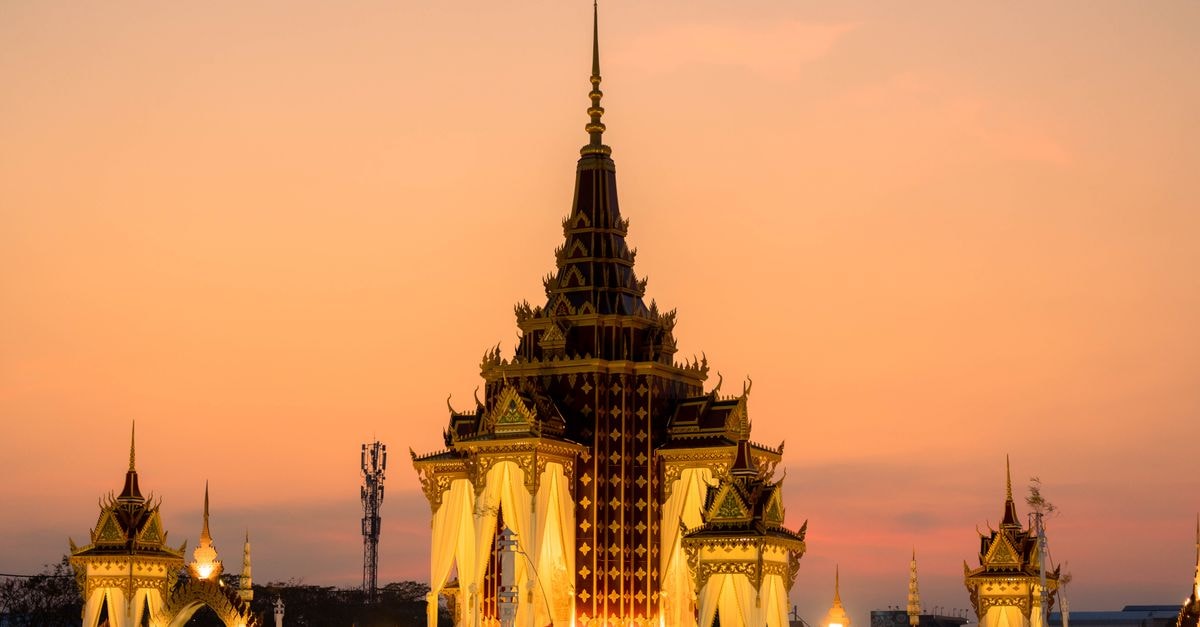
A hill site containing 6th-century temples and caves anchors much of the historical sightseeing in the province. These cave temples combine cultural significance with a contemplative atmosphere. One of the province's known sites is also described as a popular place for taking oaths and praying, which gives it a quietly devotional feel. Visitors with an interest in living spiritual practice may appreciate timing their stop to observe respectfully, while those who prefer purely archaeological sightseeing can focus on the stonework and setting.
The same site carries a heavier layer of history. During the Khmer Rouge regime it was used as a hospital, and that more recent past sits alongside the older religious use. Travellers interested in 20th-century Cambodian history may find this dual identity meaningful; others may prefer to take it in lightly as part of the site's broader story.
Reaching the hilltop temples is straightforward by road. To reach the site, take National Road 2 to Bati district, which gives a clear driving route from the capital region into the province. Road conditions in this part of Cambodia can vary, so allowing extra time for the journey is a sensible habit.
Water-based travel also features in the province. Angkor Borei's boat trip is season-dependent, and is easiest in the wet season when waterways are full. Travellers drawn to river scenery and floating-village atmosphere may want to plan around this window if a boat excursion matters to them, while those visiting outside that period can still enjoy the town and the hilltop sites without it.
Choosing what fits your trip
Because Takeo rewards different interests in different ways, a little self-framing goes a long way before you set out.
If your priority is pre-Angkorian architecture, the 5th-to-8th-century sites and the 6th-century hilltop temples will anchor your days. If you prefer a broader mix, pairing the ruins with time in the provincial capital and a look at Tram Kak's rice-and-poultry landscape gives a fuller picture of the province. If river travel is a highlight, aligning your visit with the wet season makes Angkor Borei's boat trip more viable; if not, the overland sites and the easygoing town can carry the trip on their own.
A note before you go
Factual travel conditions in Cambodia can change, and details such as road access, site access, local transport options, and seasonal water levels may shift over time. Before travelling, it is worth checking official or up-to-date local sources to confirm the current state of routes, sites, and any practical arrangements for your visit.
Prices, opening hours, schedules, reservation rules, and local conditions can change; verify them through official channels before departure.
Share this article
TOOLS FOR THIS PLAN
Make the Takeo plan measurable
Choose a tool only when it answers the next question in your trip. Your values stay in the browser, and each tool offers a route back to this planning context.