A first look at Talas
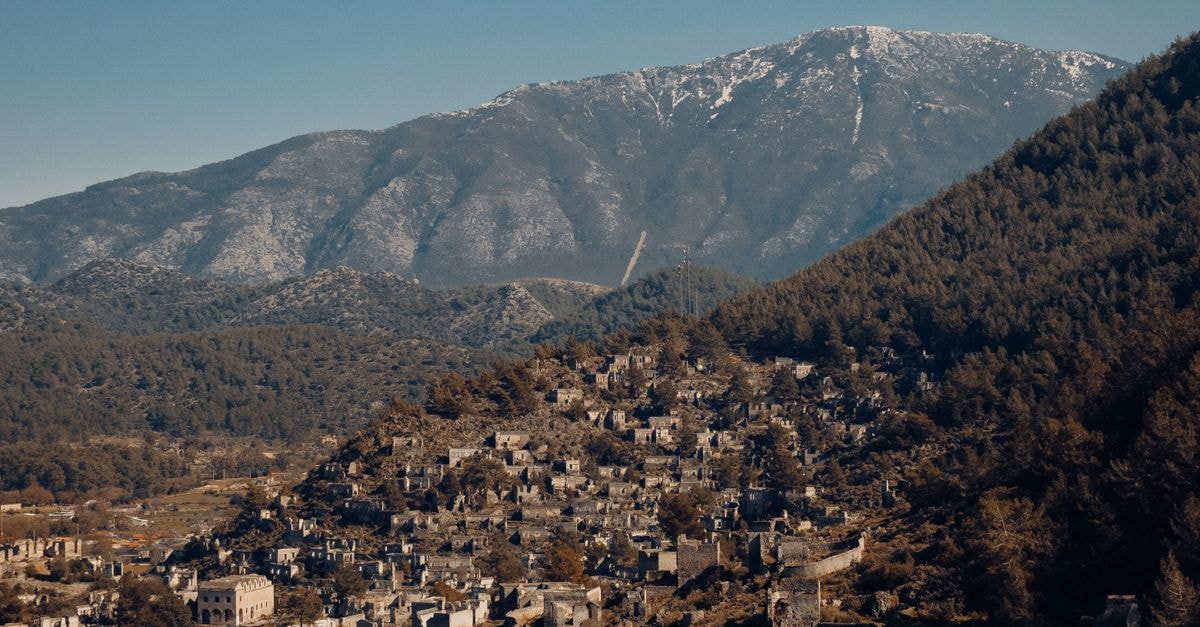
Talas is a journey shaped by its valley setting, local history, and the practical realities of reaching a city beyond Kyrgyzstan’s main transport corridor. For travelers planning around history, outdoor landscapes, and a slower regional stop, the essentials are clear: prepare for a cool semi-arid climate, allow extra thought to transportation, and make room for the Talas Valley’s museum, central park, riverside setting, and important Manas Ordo site.
The city is also useful as a base for understanding more than a single monument. Its regional museum presents the history, artifacts, and traditional crafts of the Talas Valley, while the town’s riverside park and brick church offer a more relaxed way to explore its center. Food preferences also have a regional character, with fewer cow-meat-based dishes than in other parts of Kyrgyzstan.
Weather and seasonal context
Talas has a cool semi-arid climate under the Köppen classification, bordering on a humid continental climate. Winters are freezing, while summers are very warm. That contrast makes flexible clothing and a close eye on conditions important for anyone moving between the city and exposed parts of the valley.
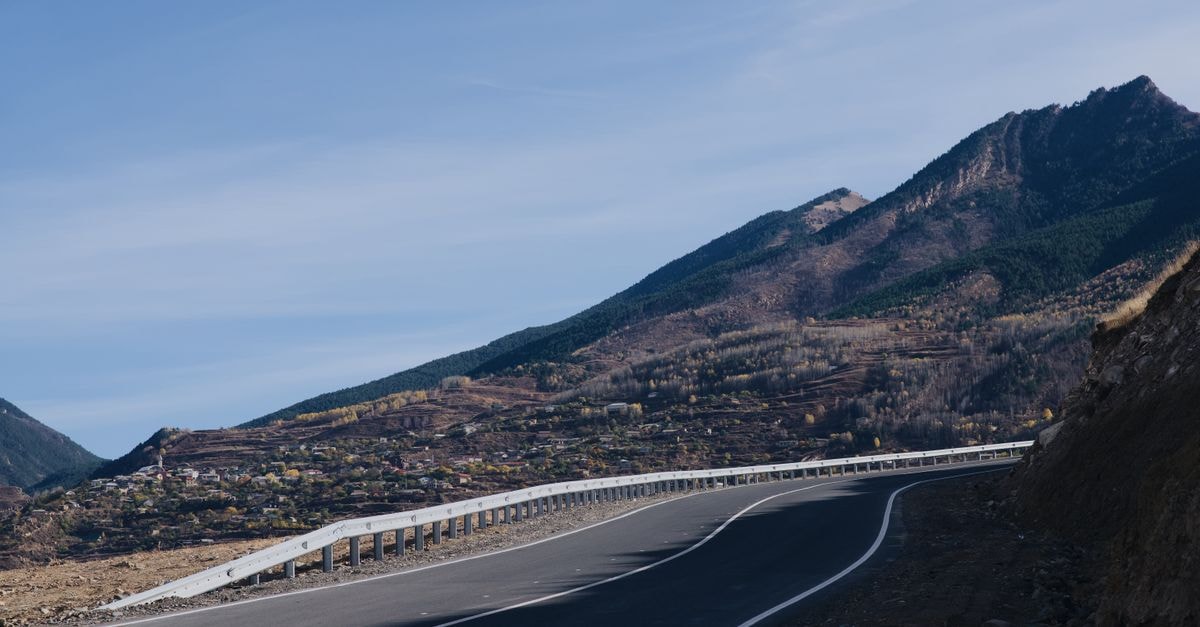
The mountains separating the Talas Valley from the Chüy Valley and Bishkek are not merely scenic context: they also constrain transport and trade links to the rest of Kyrgyzstan. Weather-conscious travelers may therefore find it useful to treat Talas as a destination where the journey can demand more planning than the distance on a map might suggest.
The climate pattern should be treated as general seasonal context rather than a forecast. Actual conditions can change, so check reliable local information before departure and before setting out for a longer valley excursion.
Getting to Talas and moving around
Talas has no railway connection. After the Soviet Union ended, the city was cut off from Kyrgyzstan’s main transport route, and much transport still continues through Kazakhstan before returning to Kyrgyzstan for journeys coming from Bishkek. If you are approaching from Bishkek, this route reality deserves attention before you commit to a travel day.
Bus travel is one part of the journey, but travelers who are not happy with the bus may prefer a taxi from the Western Bus Station. This can make the final transfer more flexible and comfortable, particularly for someone carrying luggage or hoping to avoid a longer bus stage.
The key transport consideration is not simply whether a journey is possible, but how many changes it requires. If you prefer fewer transfer points and a smoother connection, consider confirming the current routing in advance. The approved information establishes the unusual detour through Kazakhstan but does not specify a dependable timetable, so any detailed departure or arrival time should be confirmed with the operator or an official transport source.
History, Manas and the city center
Talas Regional Museum is a practical starting point for visitors interested in the valley’s history. Its displays cover local artifacts and traditional crafts, giving useful context before or after visiting sites associated with the wider Talas Valley.
Manas Ordo, presented as the supposed burial place of the legendary Manas, is one of the most important attractions around Talas. It has particular significance within the valley and is the strongest reason in the approved guide to set aside time for more than a brief town stop. Visitors who prefer cultural and historical places over a collection of general city sights may find it especially worthwhile.
Back in town, the landscape becomes gentler. A brick church was built in the 1920s, and a picturesque park was established in the center of Talas and along the riverside. These places make a simple outing from the center, allowing time to wander without turning the visit into a tightly scheduled checklist. Whether a particular path, entrance, or facility is currently accessible should be checked locally, as the source information does not establish current access conditions.
Food and regional context
Talas has fewer cow-meat-based dishes than other regions, possibly reflecting regional preferences or agricultural practices. That distinction is useful for travelers with an interest in how food changes across Kyrgyzstan rather than expecting every regional table to follow the same pattern.
The available food listing identifies a “must-try” top-ten collection for Talas, but the approved material does not provide the names or descriptions of the individual dishes. As a result, it would be misleading to recommend specific plates as verified Talas specialties. If you prefer a meal shaped by regional ingredients, ask locally about what is being served and confirm the dish before ordering.
For travelers managing dietary needs, the regional difference makes a short confirmation worthwhile: ask whether a dish contains beef or other cow-meat products when that matters. This is especially sensible because the evidence supports a broad difference between Talas and other regions, but it does not establish every individual recipe or restaurant menu.
Choosing what fits your trip
Talas may suit travelers who prioritize regional history, legendary cultural sites, and a relaxed look at the town center over a rail-centered or tightly packaged city itinerary. The museum and Manas Ordo provide the clearest cultural anchors, while the central and riverside parks offer a gentler way to experience the city. Because the transport network is constrained by the mountains and can involve routing through Kazakhstan, travelers who prefer direct, predictable connections should reconsider the journey before booking a tight onward schedule.
Food offers another subtle reason to slow down rather than assume a standard nationwide menu. Fewer cow-meat-based dishes are reported in Talas than elsewhere in Kyrgyzstan, which may appeal to someone seeking regionally varied food. However, confirmed details for individual dishes, current transport schedules, and site access are not included in the available guidance. Check those points directly before relying on them.
Travel conditions, routes, and site arrangements can change, so confirm details through official or current operator channels before departure.
Prices, opening hours, schedules, reservation rules, and local conditions can change; verify them through official channels before departure.
Share this article
TOOLS FOR THIS PLAN
Make the Talas plan measurable
Choose a tool only when it answers the next question in your trip. Your values stay in the browser, and each tool offers a route back to this planning context.