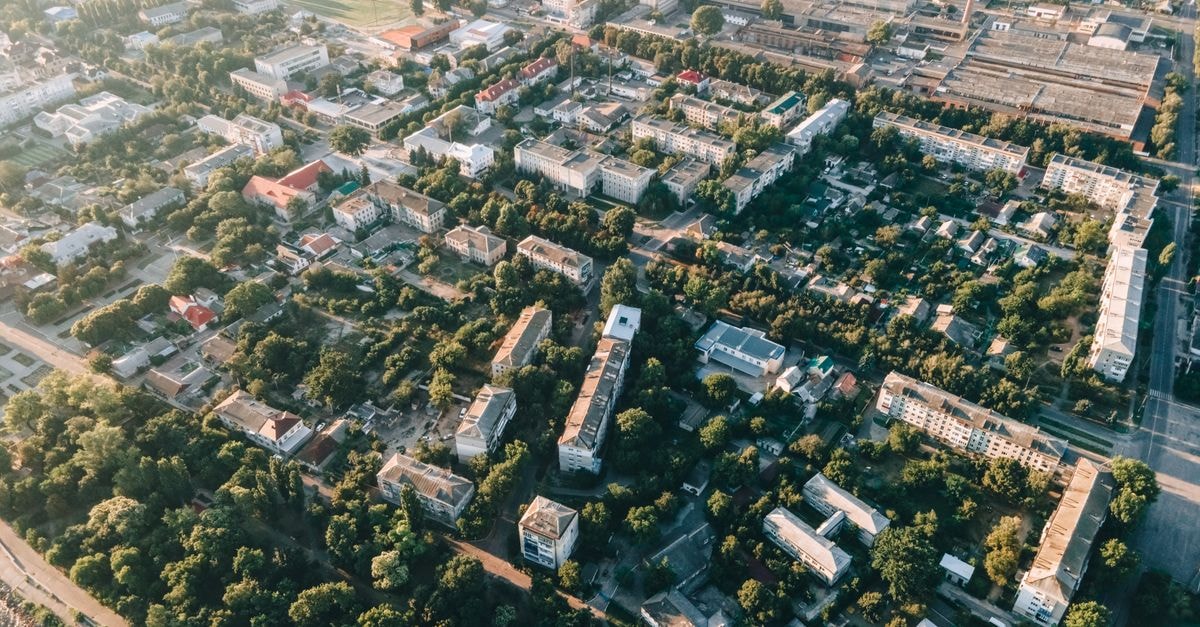
There's a particular pleasure in arriving at a city that doesn't try to perform for visitors, and Talca fits that mood nicely. Tucked into Chile's Central Valley, it reads as a lived-in regional capital rather than a polished postcard, with a pace that rewards unhurried wandering and conversations over coffee. This guide keeps things simple and grounded: a sense of what the weather generally feels like, what draws travelers to the wider valley, and the historical thread that gives the city its depth.

Weather and seasonal context
Talca sits in Chile's Central Valley, where the climate has a temperate, seasonal rhythm that visitors from the Northern Hemisphere sometimes find refreshingly crisp. Based on long-term figures, the average temperature is around 9°C (49°F), which translates to cool days and noticeably cooler evenings. That kind of reading suggests layering is wise: a light jacket for daytime wandering, and a warmer layer once the sun drops behind the surrounding hills.
Because the Central Valley can shift between bright afternoon sun and overcast mornings, the practical advice is to pace the day gently. Mornings are often the most comfortable window for being out and about, while evenings invite slower, indoor experiences. Visitors who prefer a quieter rhythm tend to appreciate that this is not a city defined by an intense sightseeing checklist, so the cooler air becomes part of the experience rather than an obstacle to it.
History and regional identity
Talca carries a longer memory than many travelers expect. It was founded in 1692 by Tomás Marín de Poveda, which makes it one of Chile's oldest inland cities. Its position along the colonial route between Santiago and Concepción gave it an early role as a key stopover in central Chile, and that historical function as a waypoint between the capital and the south continues to shape how the city sees itself today.
That colonial-era role also explains why Talca developed as more than a small agricultural town: it was a transit point, a supply hub, and a meeting place for travelers and traders moving through the Central Valley. The historical depth is still visible in the rhythm of the streets, where older buildings sit alongside the everyday commerce of a regional capital.
Attractions and planning
Talca functions as an important urban center within the Maule Valley, a stretch of Chile that holds its own quiet appeal for travelers interested in regional character rather than headline landmarks. As a base, the city works well for getting a feel for how central Chile lives between Santiago and the southern regions, with everyday plazas, local commerce, and the unhurried cadence that defines many of the country's interior cities.
One attraction that often surfaces in the broader Maule Valley conversation is the old train that once ran between Talca and Constitución. The route is a piece of living memory in the region, tied to the way the Central Valley developed and connected to the coast. For visitors, it offers a meaningful point of cultural interest, and a reminder that Talca's role has always stretched beyond the city itself.
When planning, it's worth treating Talca as a city to absorb rather than race through. A morning spent walking the central streets, an afternoon exploring the local rhythm, and an evening settling into a neighborhood café tend to yield more than a packed schedule would. The Maule Valley rewards that kind of attention.
A practical mindset for visiting
Talca rewards travelers who treat it as a destination for context rather than spectacle. The historical depth, the regional importance within the Maule Valley, and the cooler Central Valley climate all point toward a kind of travel that values observation over checklist completion. Bring layers, keep plans flexible, and allow the city's older, quieter character to set the tone.
For anyone mapping a longer trip through central or southern Chile, Talca also works as a meaningful waypoint. Its position between Santiago and Concepción gave it historical importance, and that same geography still makes it a natural pause along the route. A stop here, even a short one, adds a layer of understanding to any journey through the Central Valley.
A note before you go
Factual travel details can change over time, including weather patterns, opening hours, transport connections, and local services. Before traveling, it's a good idea to check current conditions through official channels and trusted local sources, so that what you read here lines up with what's actually happening on the ground when you arrive.
Share this article
TOOLS FOR THIS PLAN
Make the Talca plan measurable
Choose a tool only when it answers the next question in your trip. Your values stay in the browser, and each tool offers a route back to this planning context.