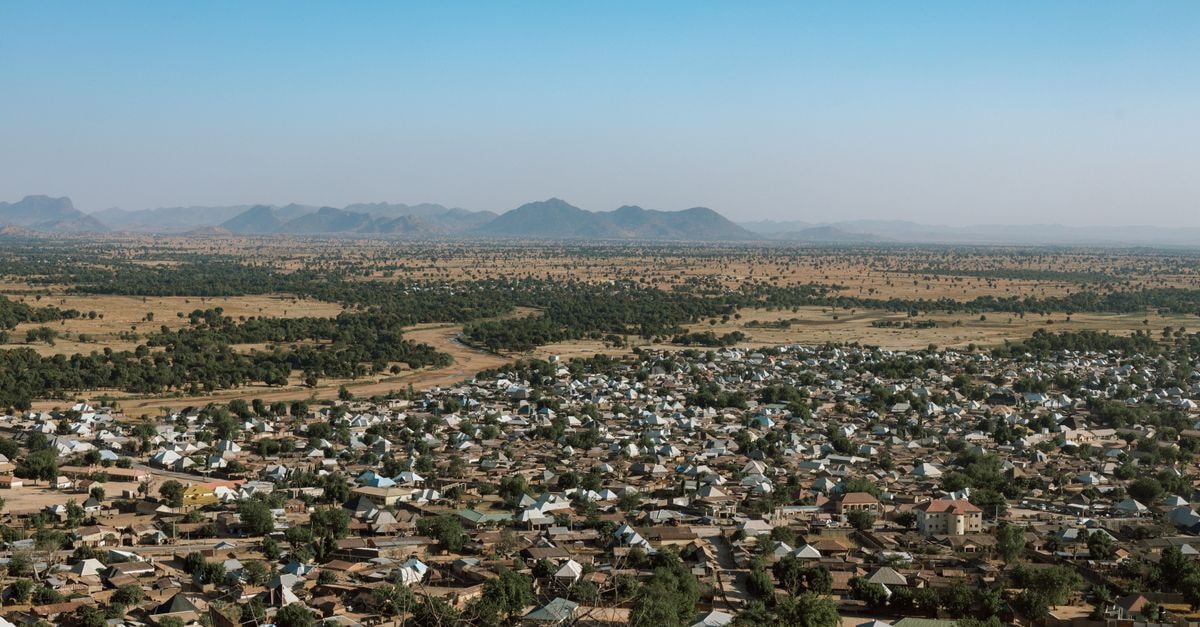
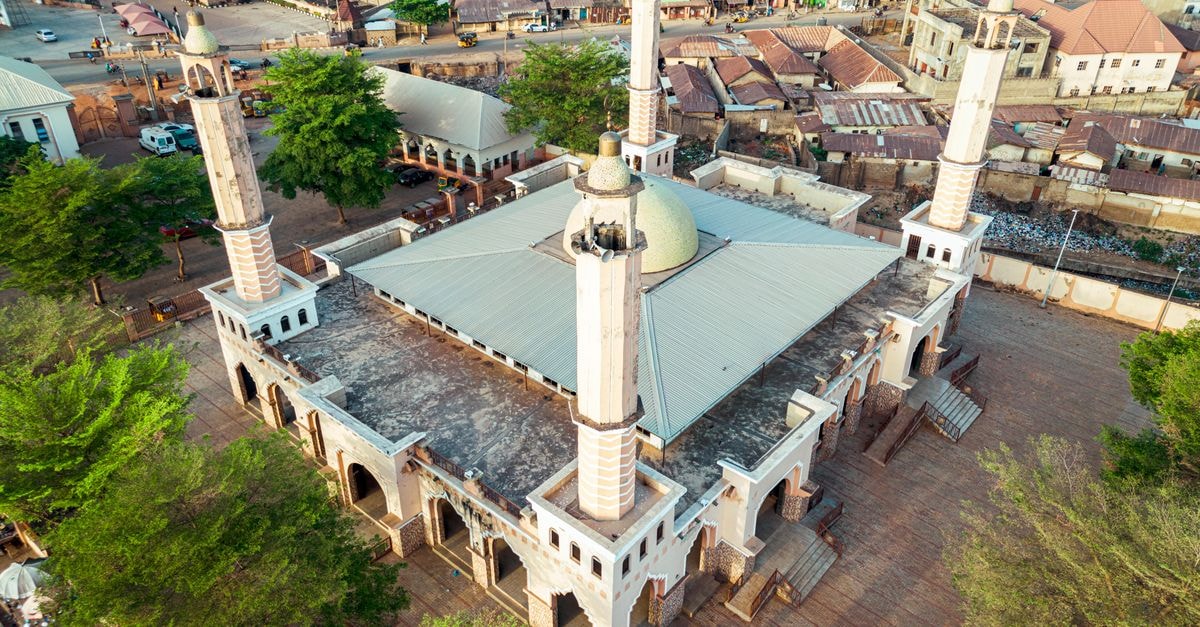
A first look at Tamale

Set in the heart of Northern Ghana, Tamale has the easy, unhurried feel of a regional capital that doesn't try too hard to impress. Wide streets stretch out beneath wide skies, the air carries the rustle of market fabric and the low hum of motorcycle engines, and visitors quickly sense that the city rewards people who arrive curious rather than rushed. Tamale serves as a natural base for exploring the wider north, but the city itself has plenty to offer: a thriving Central Market, a distinct culinary identity rooted in Northern Ghanaian staples, and a transport culture that leans on shared minibuses and nimble motorbikes rather than gridlocked traffic.
This guide focuses on what actually makes a Tamale visit feel rewarding: how to move through the city comfortably, where the food culture lives, and how the rhythms of the day shape what you see and do.
Weather and seasonal context
Tamale sits within a tropical climate, so the weather generally swings between dry stretches and wetter periods rather than the four neat seasons travelers sometimes expect. Rain can arrive as sharp tropical showers, and heat tends to peak during the middle of the day, which means pacing an itinerary around indoor refuges is a sensible habit. Tamale's indoor spaces offer an ideal air-conditioned refuge during tropical showers or heat peaks, giving visitors a comfortable place to pause, cool down, and reset before stepping back into the streets. Building a loose rhythm of morning exploration, an air-conditioned midday break, and a late-afternoon return to outdoor sights tends to suit most travelers.
Getting around
Transport in Tamale has its own personality, and leaning into the local ways of moving is part of the experience. The city offers limited specialized transportation beyond general motor vehicles, with certain unique local variations that visitors tend to discover quickly. The most visible options are the bustling tro-tros, shared minibuses that knit neighborhoods together with frequent departures, and motorcycle taxis, which slip through traffic and reach corners of the city that larger vehicles cannot.
For travelers flying in, the city's airport is worth knowing about as more than just an arrival point. The airport is particularly important for the yearly Hajj since it makes it easier for pilgrims to travel from northern Ghana to Mecca, which reduces traffic at Kotoka International Airport in Accra. Understanding that regional role helps explain the airport's steady schedule and its importance as a connector for the wider north.
A few practical habits make getting around easier: keep small notes ready for motorcycle taxis, ask locally about the tro-tro routes that match your destination, and accept that journey times are approximate rather than fixed. The transport culture here is human-scaled and conversational rather than app-driven, which is part of the charm.
Attractions and planning
Tamale rewards visitors who treat the city as a place to explore on foot between set landmarks rather than tick off a checklist. Travel resources frequently point toward the top 10 attractions to visit in Tamale and around, and these typically include the Central Market, cultural and craft points of interest, and a handful of sites that anchor the city's identity as the capital of the Northern Region. Here are the top attractions that make Tamale a must-visit destination, though the best way to experience them is often to wander, pause, and let the city reveal its texture rather than rush between stops.
Planning tends to work best when kept loose: choose one or two anchors for the day, leave room for a market stroll, and let conversations with locals shape the rest. Tamale is a city where recommendations arrive through people as much as through guidebooks, and being open to that flow usually uncovers more than a rigid plan would.
Food and local context
Beyond sit-down meals, the markets are where the food story is most vivid. The Central Market in Tamale is more than just a shopping venue; it's an immersive experience that showcases the local flavor and culture. Walking through it gives visitors a feel for the ingredients, snacks, and daily rhythms that shape Tamale's table. Travelers with an appetite for culinary adventure should embark on a culinary adventure by sampling Tamale's signature dishes and local treats, particularly anything anchored in the Northern Ghanaian tradition.
The markets also serve as a craft destination. Tamale markets offer handcrafted jewelry, batik fabrics, and traditional wood carvings that make perfect mementos of your visit. These items are part of the same ecosystem that defines the city: locally made, often handmade, and tied to the people who produce them. Travelers who enjoy supporting local makers will find this a natural place to browse.
A final note for travelers
Tamale feels best when approached with patience and curiosity rather than a tight schedule. Lean into the tro-tros, share a meal of Tuo Zaafi with new friends, wander the Central Market slowly, and use the city's indoor spaces to rest when the heat or rain picks up. Factual conditions such as transport availability, market activity, and local opening patterns can change, so it's worth confirming current details through official channels or trusted local contacts before relying on them. With those small checks in place, Tamale offers a warm, grounded introduction to Northern Ghana.
A note on facts: this guide reflects conditions that can shift over time. Travelers should verify transport schedules, market hours, and any local advisories through official sources before departure.
Share this article
TOOLS FOR THIS PLAN
Make the Tamale plan measurable
Choose a tool only when it answers the next question in your trip. Your values stay in the browser, and each tool offers a route back to this planning context.