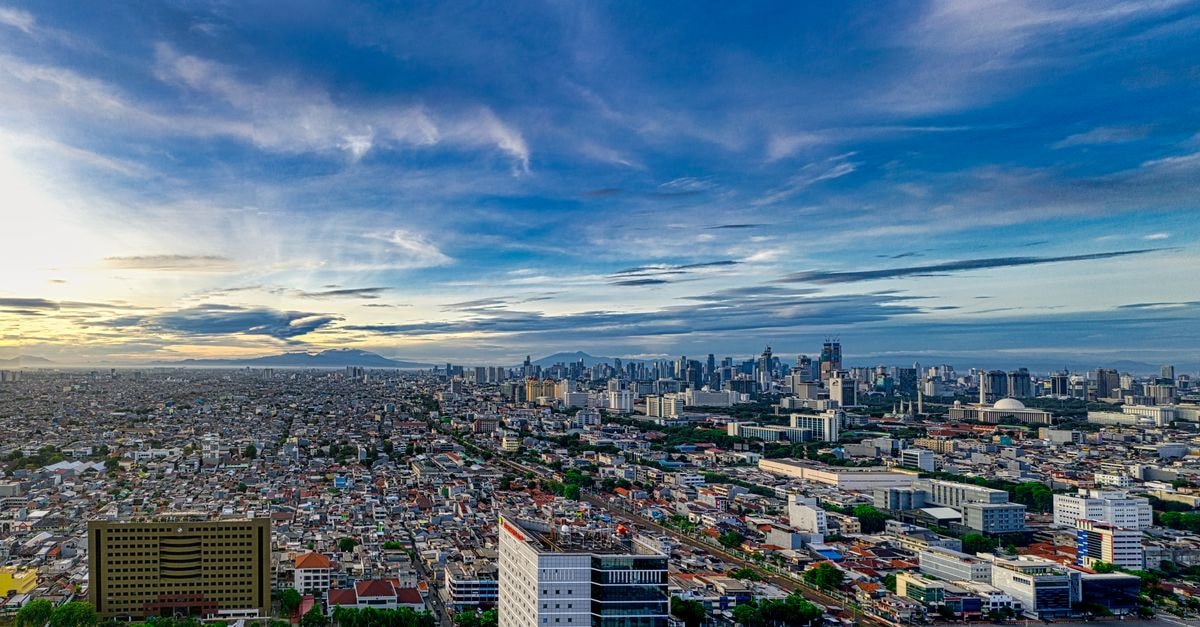
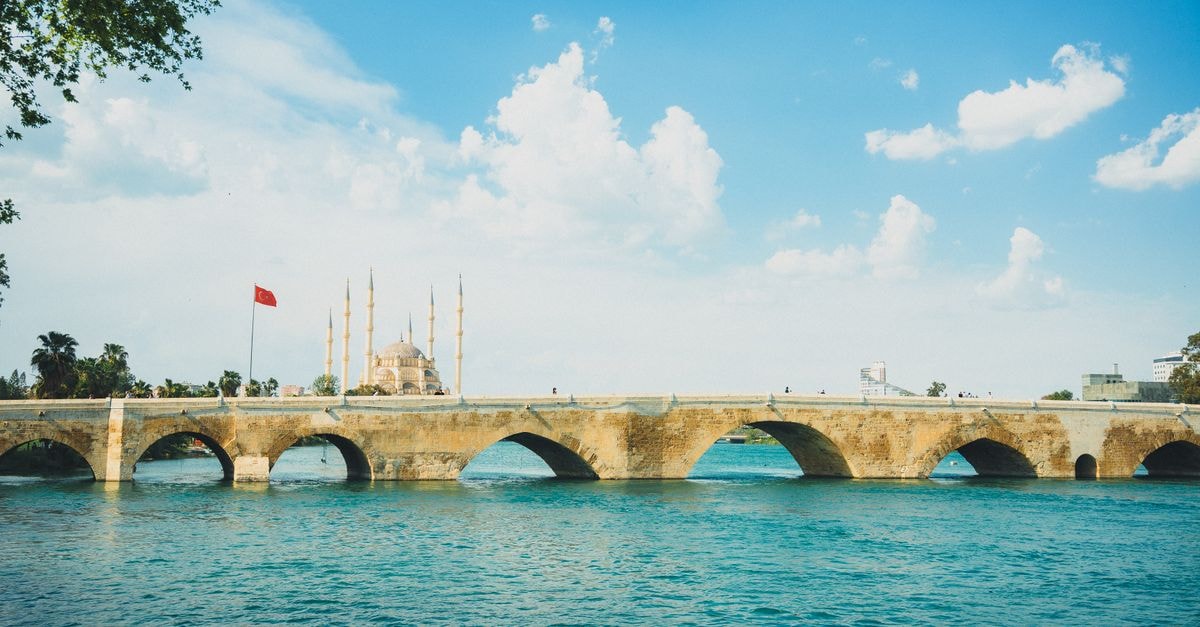
A Softer Jakarta, Right Next Door

This guide leans on what is genuinely useful to know before you arrive: how the climate shapes your pace, how the airport and the train network connect you to the city, the kind of attractions Tangerang is known for, and the wider Indonesian food culture you are likely to bump into while you are here.
Weather and Seasonal Context
Tangerang sits firmly in the tropics, so the rhythm of the year is less about four seasons and more about wet and dry stretches. Monthly average water temperatures, used here as a useful proxy for how the air feels, hover around 83 to 85°F all year, which means heat and humidity are constant companions (F1-2). The pleasant window for hot-weather, beach, or pool-style activities generally runs from early June to early October, when conditions are a touch more comfortable for staying outdoors (F1-1). Within that window, the same monthly averages still show temperatures in the low to mid-80s°F, so the difference is subtle rather than dramatic (F1-2).
If you are planning a visit that includes pool time, walking neighborhoods, or eating at open-air warungs, that June to October stretch tends to be the friendliest. Outside of it, Tangerang can feel noticeably wetter and muggier, which simply means pacing your day a little differently, building in breaks, and keeping rain protection close at hand. Climate summaries for the city describe average temperatures, rainfall, and sunshine by month, and they consistently point travelers toward the same general best-time framing rather than a single perfect date (F2-1, F2-2). In practice, the city is workable year-round; you just trade outdoor lounging for slower café mornings when the rains arrive.
Getting Around and Reaching the City
For a balanced option that avoids some of that road congestion, the airport rail link is worth understanding. Travelers coming in from Soekarno-Hatta International Airport can take the Airport Train toward Sudirman Baru Station and then transfer onto the commuter train to reach the city (F4-1). On that commuter leg, the train runs bound for Tangerang Station as the final stop (F4-2). That two-step route is a calm, predictable way to arrive, especially if you would rather not negotiate a taxi tariff after a long flight.
Within Tangerang itself, ride-hailing apps, local taxis, and short-hop motorbike rides cover most needs, and the residential layout means journeys tend to be short once you are settled. If you are staying near one of the larger malls or central neighborhoods, many everyday errands can be done on foot or by short ride.
Attractions and Planning
Tangerang is not a city of headline monuments. Its appeal is more about everyday life, residential neighborhoods, shopping malls, and food streets, which is part of the charm for travelers who like a less curated experience. General travel pages covering the city tend to frame it as a place of hidden, often locally driven attractions rather than blockbuster sights (F5-1), and that is a fair way to set expectations.
Food and Local Context
The food is arguably Tangerang's strongest pull, and the city leans into a wider Indonesian love of variety and street-side dining. Tangerang is known for its own local specialties, and casual travel coverage often reassures visitors who assume the city is just a satellite of Jakarta that there is a genuine local food culture to explore (F7-2).
A Final Note Before You Go
Tangerang rewards a relaxed pace. Keep the airport-to-city train route in mind, give yourself buffer time for traffic, lean into the food streets, and plan your pool or outdoor-heavy days for the more pleasant stretch of the year. Climate, opening hours, transport schedules, and venue availability can all change, so it is always worth confirming key details through official channels before you set off. Treat this guide as a starting framework, then let the city fill in the rest once you arrive.
Share this article
TOOLS FOR THIS PLAN
Make the Tangerang plan measurable
Choose a tool only when it answers the next question in your trip. Your values stay in the browser, and each tool offers a route back to this planning context.