Introduction

Taraz sits in the southern reaches of Kazakhstan, in the Zhambyl region, and carries the layered identity of a place that has watched Silk Road caravans pass for centuries. Today it has the feel of a quieter, regional Kazakh center — a city where old mausoleums and ruined minarets share the skyline with leafy avenues, low-slung markets, and the slow hum of daily life. For travelers who like their destinations a little under the radar, where the sightseeing can be paced rather than rushed and the food scene still feels rooted in local homes rather than international chains, Taraz offers a refreshingly gentle stop.
This guide leans into the things that actually matter for planning: how to get there and out, what is worth lingering over, and what you might eat when you sit down at the end of a long day of walking. It is written as evergreen city guidance, so the practical details below are meant to hold up regardless of when you travel.
Getting there and moving on
Taraz does not have a major international airport of its own, so most visitors arrive by air through Shymkent International Airport (CIT), which is approximately 150 kilometers (93 miles) from the city. That distance is enough to require a little planning: you will usually transfer from Shymkent onward by road, whether through a shared shuttle, a private car, or a connecting service arranged at the airport. If you are flying in from elsewhere in Kazakhstan, this connection tends to be the smoothest path to Taraz.
Rail is another dependable way in and out of the city. Taraz has a railway station that connects it to various cities in Kazakhstan, which makes overland travel both practical and pleasantly scenic if you have the time to spare. Trains in this part of the country can be slow compared with flights, but they let you watch the landscape change from your seat and arrive in the city center without an additional transfer.
Because Taraz is a regional rather than a transit hub, it can suit travelers who prefer to settle into a place for a few days rather than dash through. If a longer rail journey appeals to you and you want to ease into the southern Kazakhstan steppe gradually, the train station is a reasonable starting point; if you would rather minimize travel time after landing, plan the Shymkent onward transfer before you arrive.
Attractions and planning
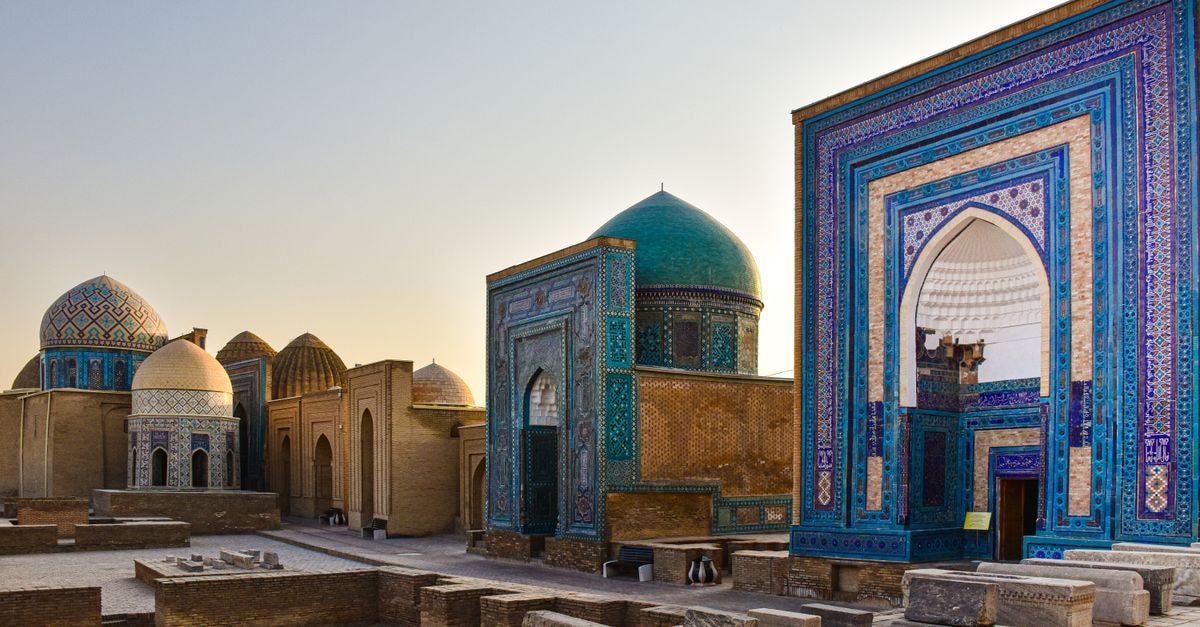
The most iconic sight in and around Taraz is the Aisha Bibi Mausoleum, a historical and architectural landmark near the city that commemorates a young woman named Aisha and the legend of love and devotion attached to her story. The mausoleum has the small, jewel-box quality typical of the region's medieval funerary architecture — decorated brickwork, an intimate scale, and a sense of stepping into something centuries old. It is the kind of place that rewards a slow approach: take your time around the exterior details before stepping inside, and read or ask about the legend afterward so the visual experience has a narrative frame.
Because it sits just outside the city, the mausoleum pairs naturally with a half-day out of Taraz, leaving the rest of your visit open for wandering the central streets, sitting in a café, or simply observing how the city moves at its own pace. Plan for cooler parts of the day if you are walking between sites — southern Kazakhstan can feel warm in the middle hours — and give yourself a buffer for returning into the city, since attractions on the edges of town can feel more spread out than the map suggests.
If you are the kind of traveler who prefers contemplative sightseeing over ticking off long lists, Taraz's historical layer is a good fit. The mausoleum visit is meaningful without being strenuous, and the surrounding area is generally calm. Travelers who need a faster pace or a dense cluster of monuments within a single neighborhood may want to combine Taraz with a broader southern Kazakhstan loop rather than expecting everything within the city itself.
Food and local context
Taraz has its own developing food culture, and one useful way in is to treat the meal experience as part of the sightseeing rather than an afterthought. The city is often highlighted in regional lists of must-try dishes, and diners who arrive curious tend to be rewarded.
Within Kazakhstan more widely, you will encounter a shared table culture shaped by Central Asian hospitality: bread is treated as a centerpiece rather than a side, tea is poured and served with care, and meat dishes — often built around lamb or beef — are commonly shared across the table. Visitors to Taraz can expect to see these wider Kazakhstani food customs reflected in everyday meals, from family-run cafés to larger dining rooms. That nationwide context can help set expectations even before your first plate arrives, especially if you have not traveled extensively in Central Asia before.
Within Taraz itself, approach the food scene the way you might in any evolving regional city: ask locally for current recommendations, be open to trying something new in a simple setting rather than only judging by the menu outside the door, and expect some variety in style and price from one neighborhood to the next. The same patterns hold true across much of Kazakhstan, and travelers who travel with a little patience tend to find the most memorable meals that way.
If you are interested in food as part of cultural understanding, treating meals as a slow practice rather than a quick refuel will serve you well. If your priority is simply staying energized between visits to places like the Aisha Bibi Mausoleum, plan your bigger meal for the middle of the day when energy dips, and keep evenings lighter.
Choosing what fits your trip
Taraz suits travelers who enjoy layering a single historical visit — the Aisha Bibi Mausoleum — with unhurried time in the city itself, rather than rushing between many monuments. It works well for visitors arriving via Shymkent International Airport (CIT), roughly 150 kilometers (93 miles) away, who plan their onward transfer in advance, and for those who enjoy the slower rhythm of rail travel between Kazakhstani cities. If you prefer a city where the food scene is still locally rooted and where the cultural texture comes from everyday Kazakhstani customs around bread, tea, and shared meat dishes, Taraz tends to reward that curiosity. Travelers who want a fast-paced, densely packed urban itinerary may want to pair Taraz with other southern Kazakhstan stops rather than expecting that intensity within the city itself.
A note before you go
Practical travel conditions can change, so it is worth checking current schedules for trains, road transfers from Shymkent, and any site-specific details for the Aisha Bibi Mausoleum through official channels before you travel. Local tourism offices and transport operators can confirm opening arrangements and any updates that may affect your plans on the day.
Share this article
TOOLS FOR THIS PLAN
Make the Taraz plan measurable
Choose a tool only when it answers the next question in your trip. Your values stay in the browser, and each tool offers a route back to this planning context.