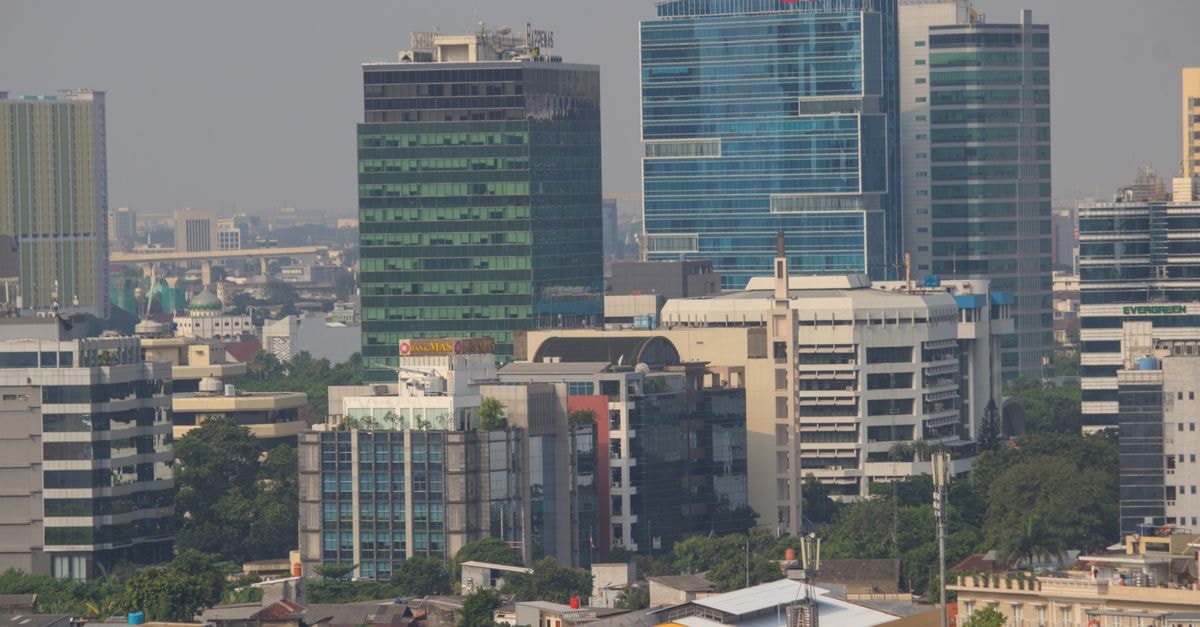
A slower look at Tasikmalaya
Tasikmalaya is a West Java city associated with three distinctive landscapes: Cipatujah Beach, Situ Gede lake and volcanic hikes around Mount Galunggung. It also offers a more contemplative side through Sundanese culture, bamboo craft and batik workshops. For travelers who prefer to explore a place through hands-on traditions and scenic day-to-day outings, the city makes an inviting base for an unhurried visit.
The surrounding regency has its own geographic character. Coastal areas around Pamijahan are warmer than the highland north, while the wider Tasikmalaya area is linked with rice terraces, mountain trails and village craft traditions. This guide stays focused on the city and its established surroundings rather than turning nearby places into fixed day trips.
Weather and seasonal context
Tasikmalaya has a tropical climate, but conditions differ by area. The coastal section around Pamijahan is warmer than the highland northern part of the regency, and Indian Ocean swells affect the southern coast throughout the year. If you prefer swimming and other beach activities, ocean conditions are the practical point to check before setting out.
A pronounced wet season typically runs from October through April, while the drier period from April through October is described as favorable for outdoor activities and festivals that highlight local cultural heritage. The overlap at April is worth keeping in mind: the precise character of a visit can vary around transitions between wet and dry conditions. For outdoor plans, allow flexibility and verify local conditions shortly before each activity rather than assuming every day will be dry.
The weather evidence also has a cultural dimension. A visitor choosing a workshop-led trip may prefer to build in some margin around outdoor visits, especially when rain affects travel between city attractions and coastal or mountain areas. This is not a reason to avoid the landscape; it is simply a way to make a mixed itinerary feel less compressed.
Sundanese culture and thoughtful encounters
One appealing route through Tasikmalaya is an unhurried encounter with Sundanese culture centered on a master artisan’s bamboo-craft workshop. For travelers interested in making, design and local craft knowledge, this kind of focused visit may suit better than a checklist of major sights. It offers a more personal way to understand the relationship between the city and its cultural landscape.
Batik workshops add another way into the region’s handicraft tradition. Sundanese craft stalls and batik workshops are among the features that draw visitors to Tasikmalaya, while mountain trails and nearby rice terraces provide a rural counterpoint to the city. Whether you prefer a tactile workshop, a landscape walk or a slower look at local stalls, allowing time for one experience at a time will suit the unhurried character of this kind of visit.
Local language and dress also shape the experience. Sundanese is the dominant local language alongside Indonesian, and Islam is the overwhelming majority religion. Dress modestly, particularly around mosques and pesantren. This is a respectful approach to public spaces and religious settings, especially for visitors who would otherwise arrive without a clear sense of local expectations.
Cipatujah Beach, Situ Gede and Mount Galunggung
Cipatujah Beach gives Tasikmalaya a coastal side that feels quite different from its inland image. The beach is one of the city’s best-known natural places, and the southern coastline is characterized by Indian Ocean swells throughout the year. If you prefer ocean scenery and beach time, this is the place to prioritize; if your ideal day is centered on a lake or a mountain trail, consider your preferred setting before combining too many environments in one outing.
Situ Gede is one of Tasikmalaya’s signature places. Its lake scenery provides a defined scenic stop for travelers whose visit includes the city’s inland attractions.
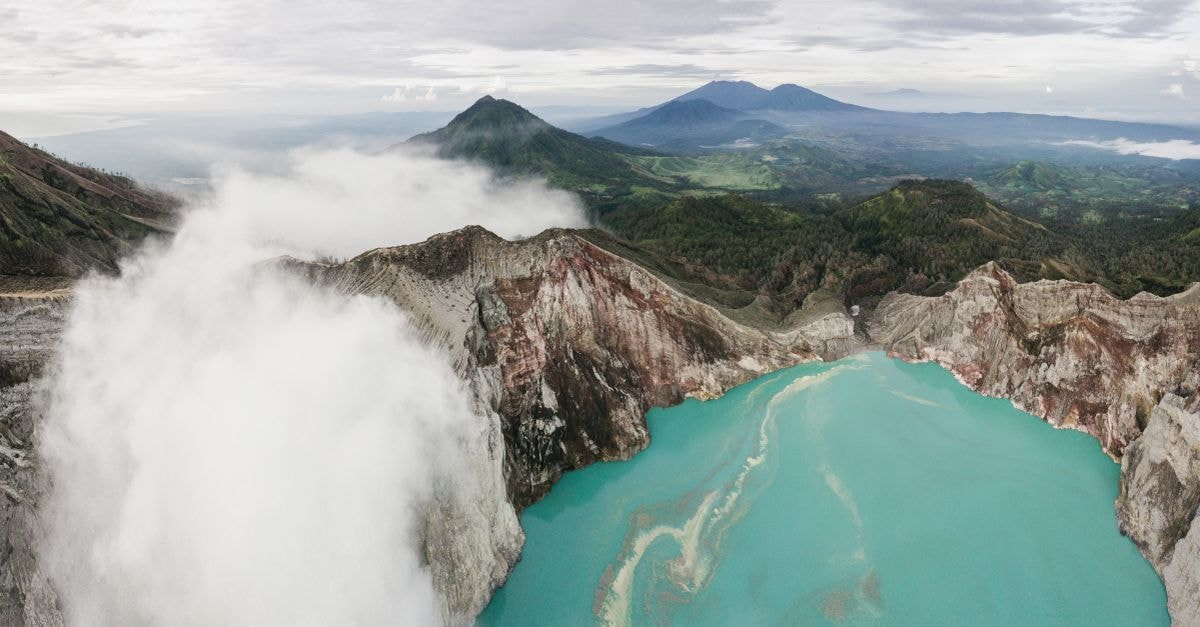
Mount Galunggung is another defining feature, associated with volcanic hikes in and around Tasikmalaya. If you prefer outdoor scenery and are comfortable with a hiking focus, you may want to consider a volcanic hike. If you plan to attempt a hike, ask locally about the specific route and access arrangements because the available information does not establish current details.
Getting around and choosing a base
Accommodation information also highlights seasonal travel patterns, linking the April-to-October dry period with outdoor activities and cultural-heritage festivals. If your plans center on outdoor activities or cultural events, consider checking local schedules and availability before travel; the evidence does not establish particular services, events or booking arrangements.
For food along the way, the travel literature associated with Tasikmalaya includes simple warung serving slow-brewed coffee and grilled fish. A warung meal may suit travelers who prefer this documented local food context. If you need a specific menu, dietary provision or confirmed opening arrangement, check those details directly because the available information does not establish them.
What fits your Tasikmalaya visit
The most useful choice depends on the kind of rhythm you want. Beach-focused travelers may prioritize Cipatujah and check ocean swells before visiting. Those drawn to craft may give a bamboo workshop or batik visit the centerpiece of their time. If you prefer lake scenery, consider Situ Gede; if you prefer a volcanic hike, Mount Galunggung may suit that interest. A mixed-interest visitor can create variety, but should confirm transport and weather separately so that the day remains enjoyable rather than rushed.
Local food offers another way to shape the experience: a simple warung meal and slow-brewed coffee may complement an unhurried route more naturally than treating dining as a major attraction. For travelers who need firmer logistics, accommodation, current access, weather or meal details should be confirmed directly before departure, since the information here is general rather than live guidance.
Prices, opening hours, schedules, reservation rules, and local conditions can change; verify them through official channels before departure.
Share this article
TOOLS FOR THIS PLAN
Make the Tasikmalaya plan measurable
Choose a tool only when it answers the next question in your trip. Your values stay in the browser, and each tool offers a route back to this planning context.