Why Tenkodogo lingers in the imagination

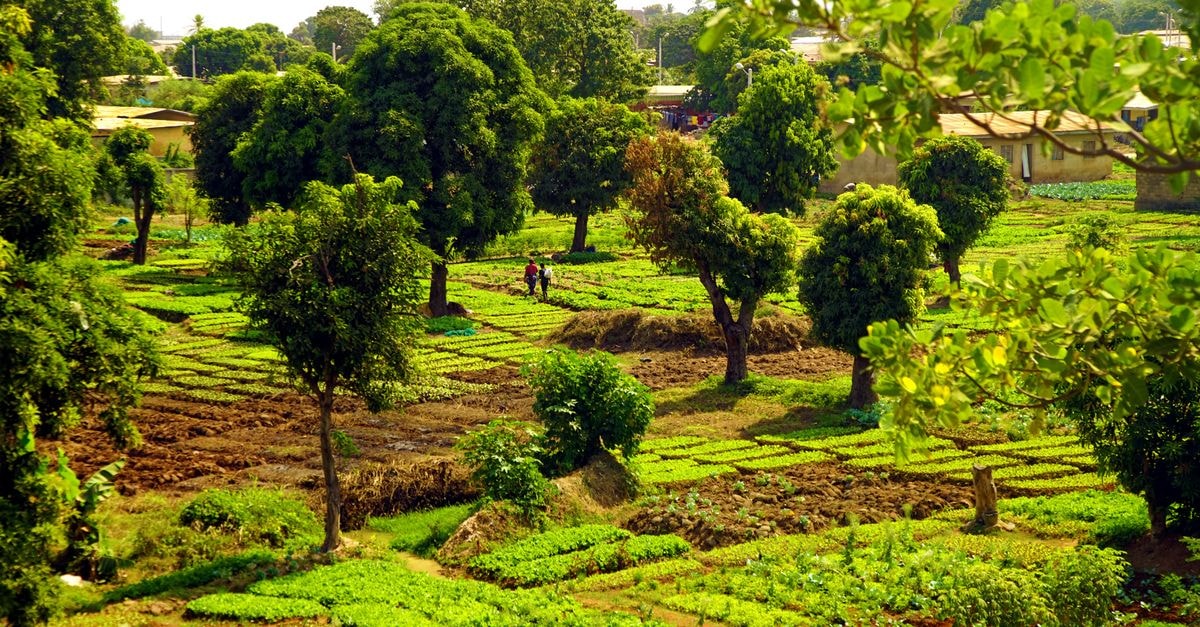
Tucked into the southeastern shoulder of Burkina Faso, Tenkodogo carries the quiet dignity of a place that was once far more than a provincial capital. It serves today as the administrative seat of both Boulgou Province and the wider Centre-Est Region, but the town reads older than any modern map suggests. Travelers who arrive with a taste for origins rather than spectacle tend to feel most at home here, because the appeal is layered into the landscape and the stories rather than spelled out in tourist infrastructure. Tenkodogo is also remembered as the historical center of the Tenkodogo Bissa-Mossi origin, a heritage point considered the root from which the other Mossi kingdoms later branched, with foundations reaching back to around the year 1100. Standing at that crossroads of history gives even a short visit a contemplative weight.
What follows is an evergreen, practical orientation built around the facts that can be stated with confidence. The goal is to help a thoughtful traveler settle into Tenkodogo with the right expectations and the right pace, rather than to overpromise a checklist of attractions.
Weather and seasonal context
The climate framing for Tenkodogo is a steady rhythm of warm conditions rather than dramatic seasonal swings, and visitors tend to plan their outdoor time around the cooler parts of the day. Local advice consistently points to making use of the cooler morning hours for longer explorations of historical sites, which is a useful rhythm to keep in mind when mapping out any cultural wandering. Mornings give a softer light for walking, easier breathing on foot, and a more reflective atmosphere around places tied to the town's long Mossi heritage.
Because Tenkodogo sits in the southeastern part of the country, the broader climate context of Burkina Faso applies. Warmth is the rule for most of the year, and any visit benefits from a slower midday pace, light clothing, and water close at hand. Travelers who prefer gentler conditions can lean into early starts and reserve afternoons for shaded stops, conversation, or rest. Anyone sensitive to heat should consider building the day around two outdoor windows rather than a single long stretch outside.
It is worth treating climate as a planning tool here, not a worry. The town's appeal is rooted in history and regional identity, so the smart approach is to let the cooler hours carry the cultural exploration and let the warmer hours carry everything else.
Getting around
Practical transport information for Tenkodogo is light, and that itself is useful context for visitors. The Routard.com reference page for the town is explicitly framed as documentary and historical information rather than a current invitation to travel, which means any traveler planning a real visit should treat general transport details as a starting point rather than a confirmed timetable or service list. Independent travelers tend to do best when they confirm current local transport options, including road connections and any intercity links, directly with reliable local contacts or official channels before setting out.
Within the town itself, distances are generally walkable, especially when visitors stay near the central areas tied to the administrative and historical core. Anyone planning to explore the wider Boulgou Province or the Centre-Est Region beyond the town should think in terms of road-based travel and arrange the practicalities in advance rather than improvising on arrival. A patient, low-key approach to movement tends to match the pace of the place.
Planning the visit around historical interest
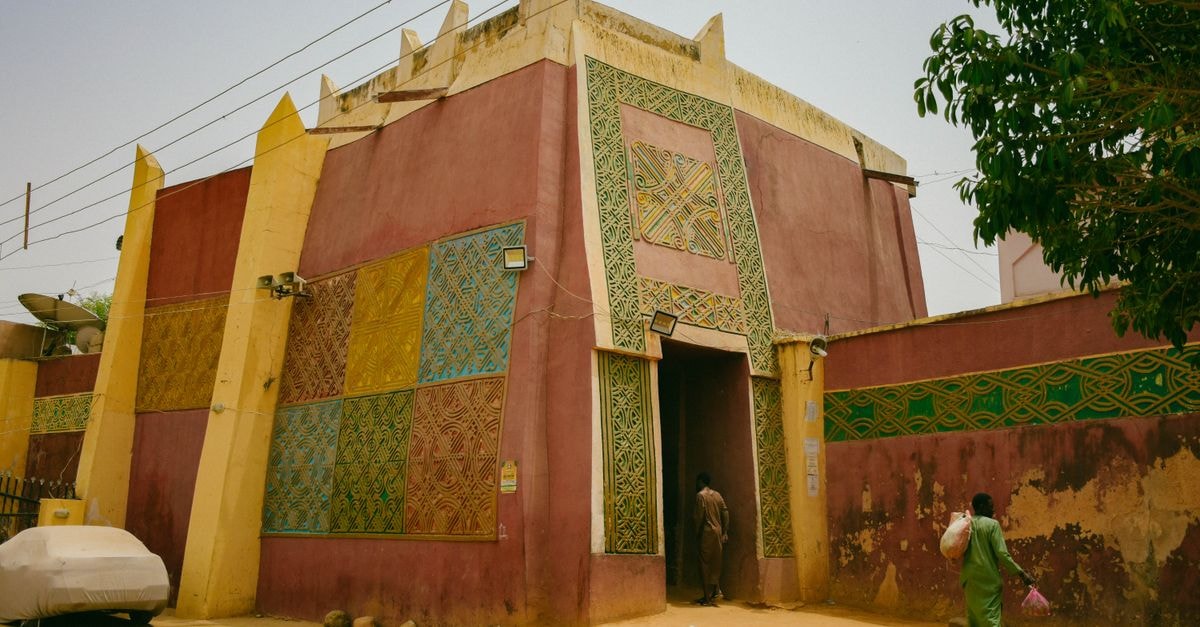
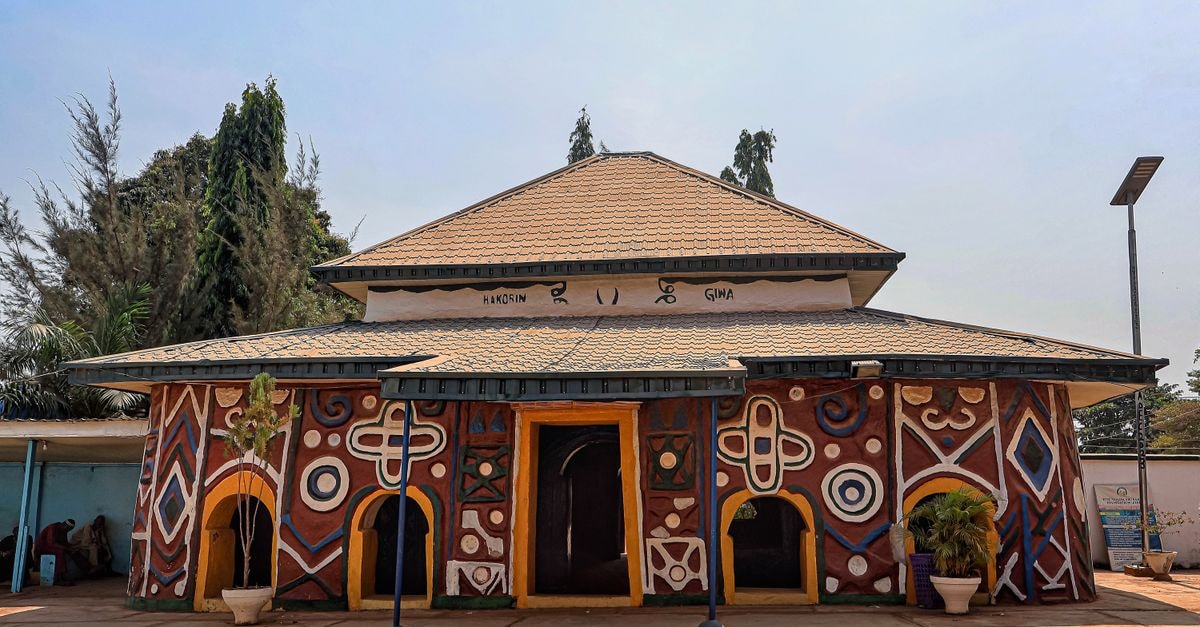
Tenkodogo rewards travelers who arrive curious about origins rather than expecting a polished museum experience. The town's place in regional history as the center of the Tenkodogo Bissa-Mossi origin, and as a root of the other Mossi kingdoms founded around 1100, gives even the simplest walk a sense of walking through layered time. Visitors with a deep interest in West African political history, dynastic heritage, and the spread of the Mossi cultural world tend to find the strongest payoff here. Travelers who prefer grand monuments or highly curated visitor centers may want to adjust expectations and treat the town as a place for slow observation, conversation, and reading the landscape.
A few practical habits tend to suit this setting. Give yourself margin in the morning for the historical areas when the air is cooler and the light is forgiving. Move gently through residential and civic spaces, since the town functions as a working administrative center as well as a historical anchor. Stay open to the possibility that the most memorable moments come from a market encounter, a shared drink, or a conversation about the Mossi story rather than from a single landmark.
Choosing what fits your trip
The shape of a good Tenkodogo visit depends on the kind of traveler you are. Those drawn to genealogy of nations and precolonial West African states will find the town's claim as the root of the Mossi kingdoms unusually compelling, and they will likely be content to spend their time reading, asking questions, and walking the historical footprint. Travelers more focused on contemporary regional life may prefer to anchor themselves in the everyday rhythm of the town, treating the heritage story as background color rather than the main event. Anyone planning to venture further into the Centre-Est Region should keep days open-ended, since confirmed transport links and services are best verified locally before relying on them.
A short visit framed around cooler morning hours, slow afternoons, and a genuine interest in Mossi heritage tends to be the most satisfying fit. Visitors expecting resort-level infrastructure, dense sightseeing lists, or a fast-paced urban break may want to look elsewhere, because Tenkodogo's value is in its rootedness rather than its convenience.
A verification note before you go
Conditions on the ground can shift, and the most reliable guidance is always the freshest local one. Before traveling, check current travel advisories, confirm road access and transport availability, and verify any practical details such as accommodation options and connectivity directly with official or trusted local sources. The historical and cultural framing here is durable, but the day-to-day logistics of reaching and moving around Tenkodogo deserve a fresh look at the time of your trip.
Factual travel conditions can change, and official channels should always be checked before departure.
Share this article
TOOLS FOR THIS PLAN
Make the Tenkodogo plan measurable
Choose a tool only when it answers the next question in your trip. Your values stay in the browser, and each tool offers a route back to this planning context.