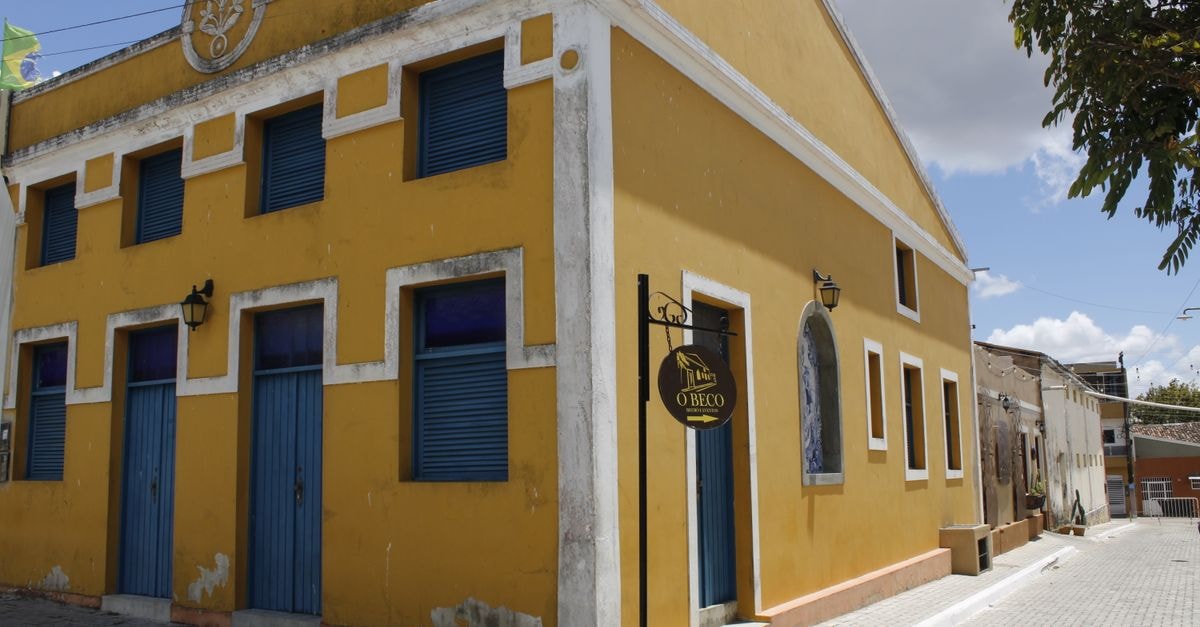
A city shaped by two rivers

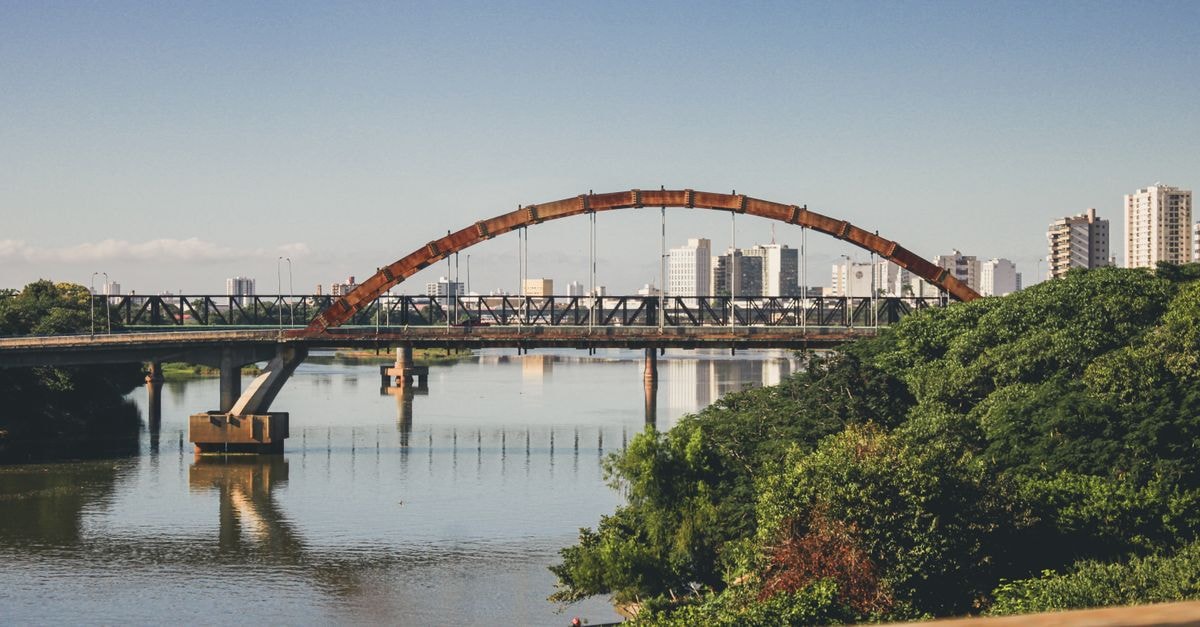
Teresina sits inland in Piauí, the only capital in the Brazilian Northeast without a coastline, and that fact quietly shapes everything about visiting it. The Parnaíba and Poti rivers meet at the heart of the city, and the rhythm of the place leans into those waterways rather than away from them. Mornings here tend to begin with warm light on long avenues, while late afternoons drift toward shaded parks and slow riverside walks. For travelers who enjoy cities where greenery, riverfront views and unhurried civic life take precedence over ticking off monuments, Teresina offers a different texture than the more famous coastal capitals of the region.
Because the city is landlocked, there is no beach to cool off in, but the rivers running through it have always been part of how locals beat the heat. The character of Teresina feels intimate and civic rather than sprawling: it is the kind of place where you read the city by sitting on a bench under trees and watching the light move across the water.
Weather and seasonal context
Teresina’s climate is consistently warm year-round, sitting firmly in Brazil’s tropical interior zone, and the heat is the single biggest factor in how a day here unfolds. Because the city is inland rather than coastal, there are no sea breezes to soften the temperature, and the air can feel heavy during the hottest hours of the day. One practical habit, supported by long-running local knowledge, is to look to the river itself for relief when the day peaks. Despite the absence of sea temperatures, as Teresina is inland, the city's river can offer some respite during the hottest times of the year. That single detail can quietly reshape an itinerary: it suggests planning indoor time, lunches and slower activities between late morning and mid-afternoon, then shifting to riverfront walks, shaded plazas and open-air evenings when the light softens.
Visitors who do not enjoy intense equatorial warmth may want to consider whether an inland Northeast Brazilian capital suits their travel style. Travelers who prefer cooler climates, constant breezes or coastal conditions may find Teresina’s heat a more constant companion than they expect. Anyone comfortable with warmth and who enjoys a slower daily rhythm typically settles in quickly.
Parks and riverfronts
If there is one defining way to experience Teresina as a visitor, it is through its parks and the long bands of green that line the two rivers. Parques e margens — urban parks, riparian woodlands, bike paths and shaded late afternoons — reveal a Teresina that lives between its rivers. The city’s network of green spaces is not just decorative: it is where residents go to exercise, meet friends and cool down, and visitors who follow that same pattern tend to see the city at its most relaxed.
Bike paths along the riverfronts are particularly worth considering for travelers who like to explore a place on two wheels rather than from inside a tour bus. The combination of cycling lanes, woodland shade and river views makes the parks a natural anchor for a day of slow sightseeing. Late afternoon is a popular time locally for good reason: the temperature eases slightly, the light becomes warmer, and the riverfronts fill with people rather than emptying out. For travelers interested in photography, soft golden light on the rivers and the silhouettes of trees along the ciliary forests tend to be the most memorable visual moments.
Food and context
A useful approach for visitors who enjoy exploring local food scenes is to treat the meal as part of the cultural context rather than a checklist. Asking servers what is regional, what is seasonal, and what is cooked in a more traditional style often opens up more interesting conversations than ordering from a translated English menu. Travelers who prefer familiar flavors may want to consider sticking to well-known Brazilian dishes they recognize, while more curious eaters will find that the country’s regional diversity rewards a bit of openness at the table.
It is worth noting that food here, as across Brazil, tends to be social and unhurried. Lunch is often the main meal, dinners start later than many visitors expect, and portion sizes in traditional restaurants can be generous.
How to shape your days
A few practical rhythms can help visitors get the most out of Teresina without rushing. The city is best read at a slower pace: long mornings with shade and riverfront views, a quiet middle of the day when the heat peaks, and evening time when the parks come back to life. Travelers who like to walk will find the parks and riverside paths a generous backdrop, while cyclists can cover more ground along the dedicated lanes. Anyone sensitive to intense heat should consider shifting outdoor activities to early morning and late afternoon, leaving midday for meals, museums or simply resting.
If your travel style leans toward cities where nature, civic life and easy conversation take priority over dense sightseeing lists, Teresina is likely to feel rewarding. If you prefer cooler climates, fast-paced urban itineraries or coastal scenery, you may want to consider whether an inland Northeast capital fits the kind of trip you have in mind.
A note before you go
Travel conditions, including river access points, park facilities and restaurant availability, can change over time, and details that feel reliable today may shift before your visit. Treat this guide as durable context rather than a live status update, and check official local sources before making final plans. Currency, transport and opening details are best confirmed close to your travel dates through current channels, since they can vary and are not covered in depth here.
Prices, opening hours, schedules, reservation rules, and local conditions can change; verify them through official channels before departure.
Share this article
TOOLS FOR THIS PLAN
Make the Teresina plan measurable
Choose a tool only when it answers the next question in your trip. Your values stay in the browser, and each tool offers a route back to this planning context.