Slow days and high skies in the Lesotho highlands

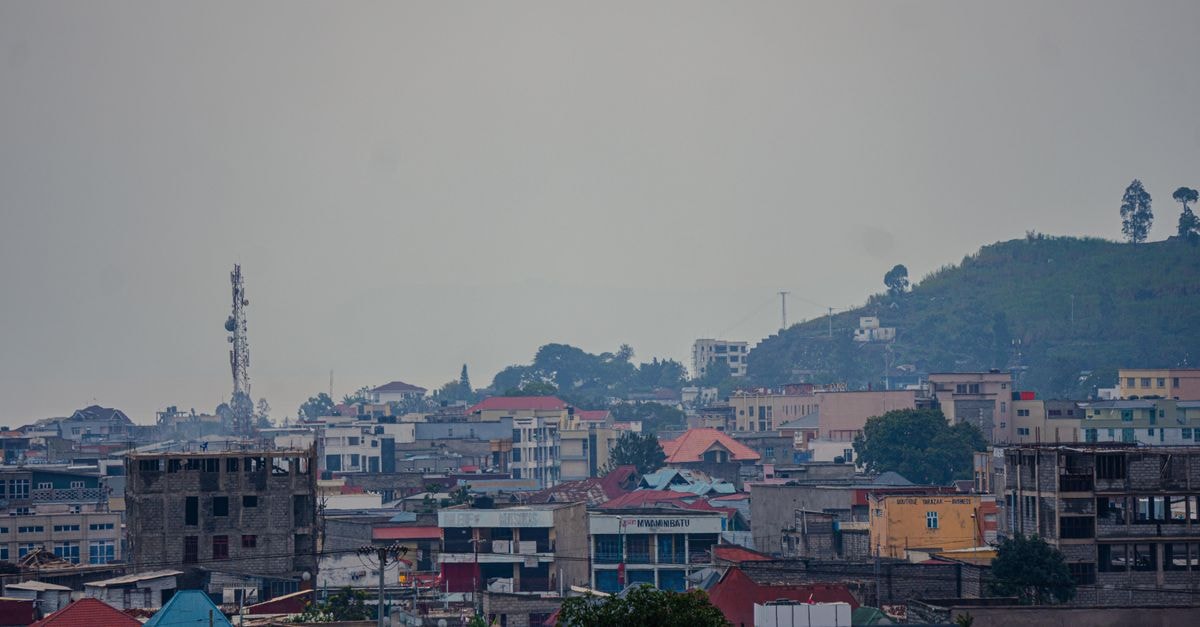
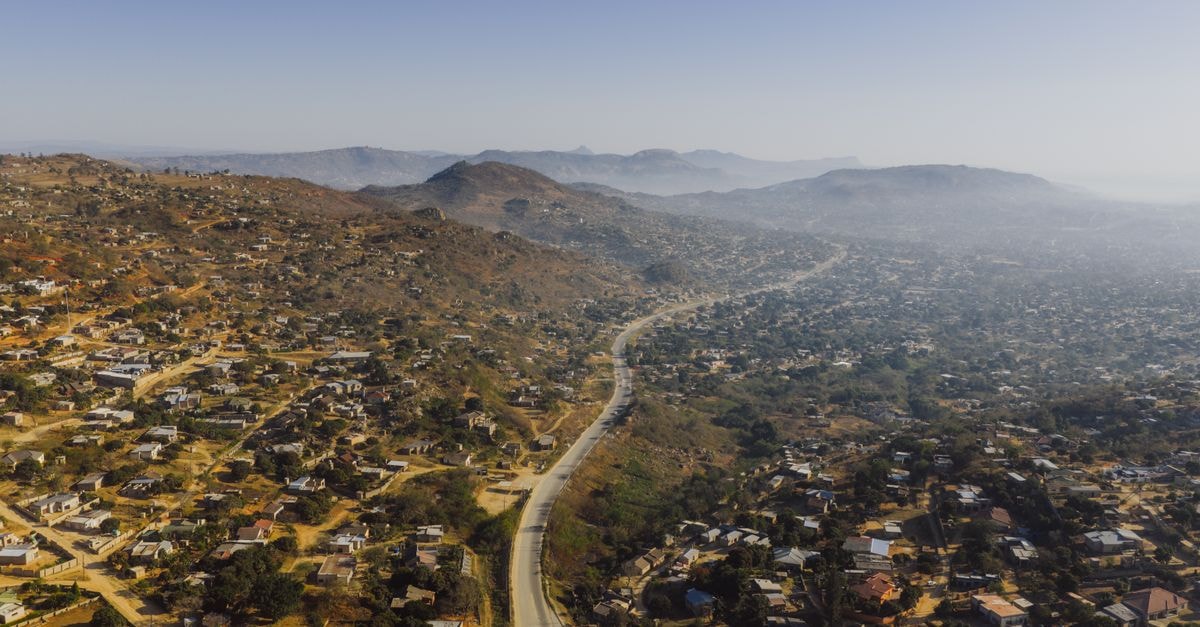
Thaba-Tseka is one of those places that asks you to slow down. Tucked into the mountains of central Lesotho, the town has a quiet, working feel, more everyday Basotho village life than polished tourism hub. If your idea of a good trip is trading queues and big-city pace for wide skies, open plateaux, and a warm plate of papa at the end of the day, this part of Lesotho can be genuinely rewarding.
One honest caveat worth stating upfront: Thaba-Tseka is best suited to travellers who want to avoid crowds and experience real rural life, and not to those seeking busy or fast-paced environments. That single fact shapes almost every decision you'll make here, from how you spend your days to how you plan your transport.
Weather and seasonal context
The local climate rewards travellers who come prepared for cool mountain conditions. The best time to visit Thaba-Tseka is broadly April to October, when the weather is cool. Outside of that window the high-altitude plateaux can feel warmer, but this stretch of the year is widely considered the comfortable window for being out on the land.
The two classic ways to spend a free afternoon here both reward that cooler-season timing. Guided pony treks on Basotho ponies cross the high plateaux to remote villages, the traditional way to travel here. It's not a museum-piece activity; it is genuinely how people still move through these mountains. If you have a free afternoon, it's worth asking locally about a guided ride rather than treating it as a tourist checkbox.
Evenings tend to be simple and rooted in place. A local papa kitchen serves papa with greens and stewed meat, the everyday staple of the highlands. It isn't fancy dining, and that's precisely the point: in a town built on rural rhythm, sitting down to the same dish locals eat every day is its own kind of welcome. Consider budgeting around papa-and-stew suppers if you want a steady, affordable base for the day.
Getting around
Roads are the practical backbone of any Thaba-Tseka plan. Just remember that some roads may be unpaved, so opting for a vehicle with good clearance is recommended. That single piece of advice quietly solves a lot of the logistical headaches before they start: a standard city sedan can struggle on rougher tracks, especially after rain, and ground clearance gives you flexibility to reach nearby villages and viewpoints without committing to a dedicated 4x4 tour.
Within Lesotho, ski resorts are sometimes bundled into broader Thaba-Tseka travel listings, and Afriski Mountain Resort appears as a recognisable reference point in regional ski-resort content, but it is not positioned as a city attraction. If winter sports are part of your wider Lesotho plan, treat it as a separate consideration rather than a Thaba-Tseka stop.
Top-attraction listings for Thaba-Tseka tend to be lean, and that is itself a useful piece of information. Rather than chasing a packed itinerary, build in space for the unplanned: a long walk through a nearby village, a chat with a guide about local trails, or a slow afternoon on a pony trek. The road network is the enabler, and a high-clearance vehicle is the simple upgrade that makes the rest of the trip feel calmer.
Attractions and planning
When it comes to things to do, the honest framing is that Thaba-Tseka's attractions are more about setting than ticketed venues. The high-plateau landscapes, the traditional Basotho pony culture, and the everyday rhythm of a working highland town are the main draws, rather than a long list of named sights.
If you want to bring something home that feels connected to the country rather than airport-generic, it's worth knowing that Lesotho Co-operative Handicrafts appears in regional shopping listings and is associated with speciality and gift shops in the broader Lesotho context, including references tied to Maseru. Treat it as one nationwide option visitors to Lesotho often encounter, useful context if you'll also pass through the capital, rather than a confirmed Thaba-Tseka shop.
A practical planning note: attractions here tend to be light on signage and fixed schedules, and that is consistent with the town's character. Build a loose plan with one anchor activity per day, such as a pony trek or a long plateau walk, and leave room to adapt based on weather, road conditions, and local advice on the day.
Choosing what fits your trip
If your travel style is shaped by curiosity about rural life and a tolerance for slow days, Thaba-Tseka can be a strong fit. The cool April to October window suits outdoor plans like guided pony treks, and the papa-and-stew food culture keeps meals simple and grounded. Travellers who prioritise comfort, fixed sightseeing schedules, or polished tourist infrastructure may want to reconsider; this is a town where unpaved roads and quiet evenings are part of the experience, not flaws to work around. Pacing matters more than packing in stops.
A quick note before you go
A few practical points are worth verifying directly before you travel: the current state of access roads around Thaba-Tseka, the availability of guided pony treks on the days you plan to be there, and the operating situation of any local papa kitchen or eatery you intend to rely on. Rural highland services can change with season and weather, so a quick check with your accommodation or a local contact on arrival is often the most reliable way to confirm what's running.
Travel conditions, road status, and local services in Thaba-Tseka can change without notice, and this guide is based on general destination context rather than live conditions. Always cross-check current travel advice, transport options, and any bookings through official channels before you depart.
Share this article
TOOLS FOR THIS PLAN
Make the Thaba-Tseka plan measurable
Choose a tool only when it answers the next question in your trip. Your values stay in the browser, and each tool offers a route back to this planning context.