An understated Caribbean capital

The Valley sits quietly at the heart of Anguilla, a small island known for its slow pace, soft light, and old-style architecture that hints at a layered past. Even though it is the capital, the town wears that role lightly: pastel cottages line quiet lanes, and the rhythm feels more like a fishing village than an administrative hub. Travelers who choose The Valley as their base tend to do so because it offers a calm, lived-in contrast to the busier beachfront stretches elsewhere on the island, without losing easy access to the coast.
It also helps that the area has long carried an elegant, residential feel. The historic district in particular is full of old-style wood houses, including the Wallblake House, one of the only surviving plantation houses in the Caribbean. For a visitor, that single detail signals the spirit of the place: history is not behind glass here, it sits quietly beside the everyday streets.
Finding your place to stay
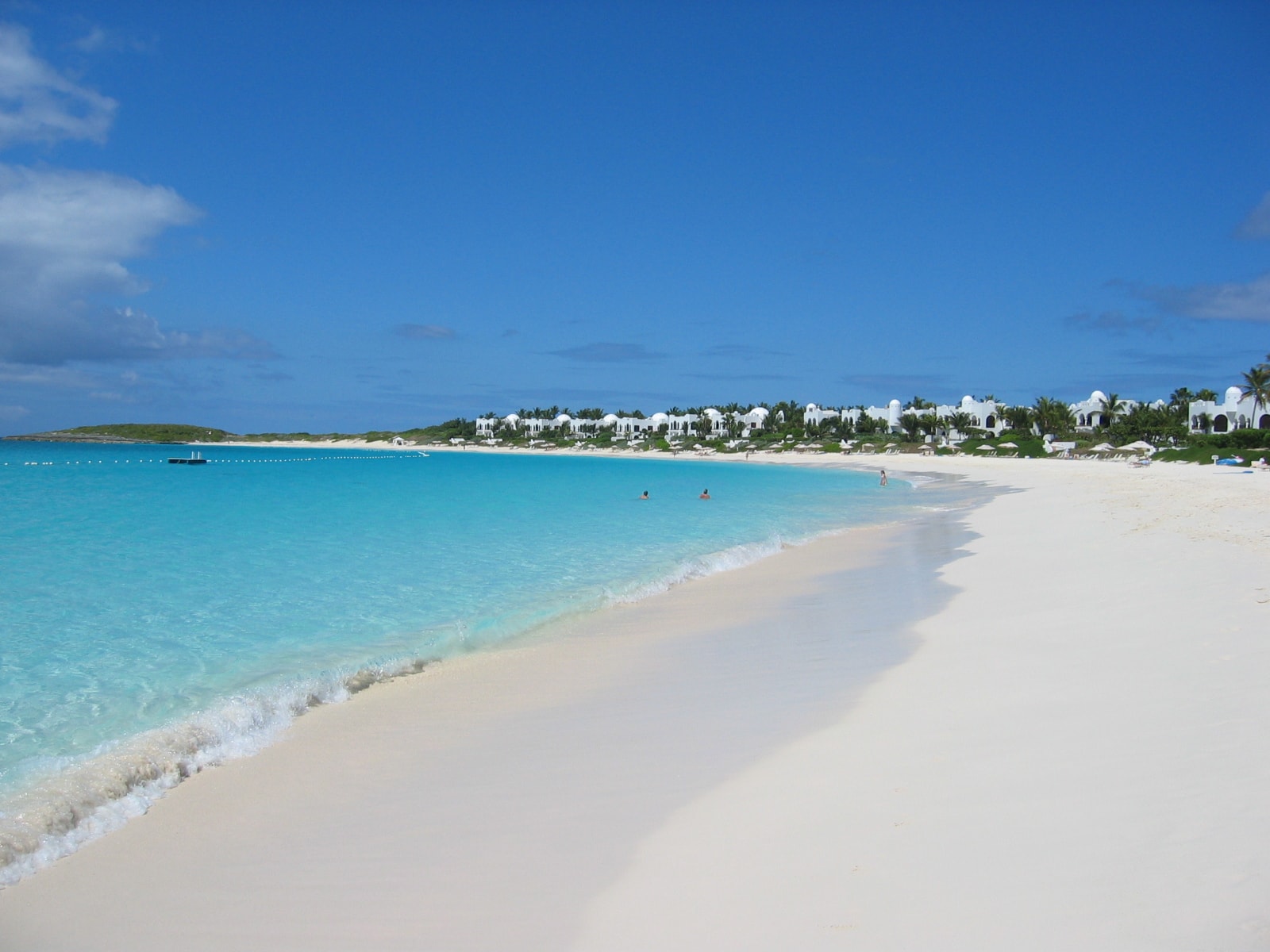
The Valley sits within reach of some of Anguilla's most appealing coastal areas, and one of the most talked-about is the Rendezvous Bay stretch, which is considered part of the wider Valley area. This part of the island is generally known for its picturesque beach and an upscale, relaxed ambiance, a setting that draws travelers seeking a high-end Caribbean experience without the bustle of a large resort zone.
That said, accommodation choice in The Valley tends to reward travelers who think about what kind of vacation they want first. A quiet cottage near the historic district delivers a different sense of place than a luxury stay closer to the bay. There is no single best neighborhood for everyone, and the right base is the one that matches the pace you are hoping to keep.
Weather and seasonal context
The Valley sits in the eastern Caribbean, so its climate reads familiar to anyone who has spent time in the wider region: warm temperatures year-round, a brightness that can feel intense in the middle of the day, and the kind of sky that calls for a hat, sunscreen, and a slower afternoon. Rather than planning around dramatic shifts in temperature, travelers tend to plan around the rhythm of the sun itself.
Daytime heat can encourage a midday pause: a long lunch, a return to your room, or simply shaded rest before heading back out. Evenings typically bring a softer breeze, especially near the water, which is also when island life tends to move outdoors again. Pacing the day around the heat, rather than fighting it, tends to feel more natural once you arrive.
Hurricane season in the broader Atlantic runs through the late summer and autumn months, and conditions can shift during that window. Travelers planning a longer stay sometimes keep an eye on forecasts and build a little flexibility into later days on the island. It is also worth remembering that Anguilla's infrastructure is small, so weather that shuts down one service can ripple outward quickly. A backup plan, patience, and a willingness to adjust on the fly go a long way.
Getting around The Valley and beyond
The Valley is small enough that many travelers end up walking more than they expect, especially within the historic core. Sidewalks are not always continuous, and traffic is light rather than absent, so a little care goes a long way. Daylight hours feel easier for exploring on foot, particularly when moving between the historic district and the bays beyond the center.
Local taxis within the Valley area are typically inexpensive for short hops. As a useful reference point, local taxis within The Valley and the nearby Shoal Bay area run roughly $8 to $15 per ride, which makes them a sensible option for a quick transfer to a beach or a dinner spot without the commitment of a rental. For travelers planning multiple days of exploration, considering a multi-day car rental is often more practical than relying on taxis alone, especially once you want to reach quieter stretches of coastline.
A relaxed routine tends to work best here. Start the morning close by, take a slow afternoon break, and use taxis or a rental for the bigger moves later in the day. The island's narrow roads, occasional goats, and unhurried drivers reward patience more than speed.
A note on practicalities
Treat the numbers in any guide, including the $8 to $15 taxi range, as a reference point rather than a fixed rule. Small-island pricing can shift, and rates are best reconfirmed on the ground or with the local provider before you commit. Bringing a light bag for beach days, keeping your phone charged for taxi bookings, and giving yourself buffer time between activities all tend to make a stay here smoother.
A thoughtful way to experience the town
What makes The Valley memorable is not a checklist of attractions but a feeling of ease. Walking past the Wallblake House, lingering at a shaded café, watching doors painted in soft greens and corals, and stepping out to a beachfront evening all add up to a trip shaped more by atmosphere than by itinerary.
The town encourages a slower approach. Read under a tree, ask a local where they would spend a Sunday afternoon, and let the island's natural pace set the tempo. Done that way, a stay in The Valley becomes less about what you covered and more about how rested and unhurried you feel when it is time to head home.
Travel conditions can change, and details such as taxi pricing, local services, and the operating status of small venues should be confirmed through official or up-to-date local channels before departure or while on the ground.
Prices, opening hours, schedules, reservation rules, and local conditions can change; verify them through official channels before departure.
Share this article
TOOLS FOR THIS PLAN
Make the The Valley plan measurable
Choose a tool only when it answers the next question in your trip. Your values stay in the browser, and each tool offers a route back to this planning context.