A first impression of Thimphu

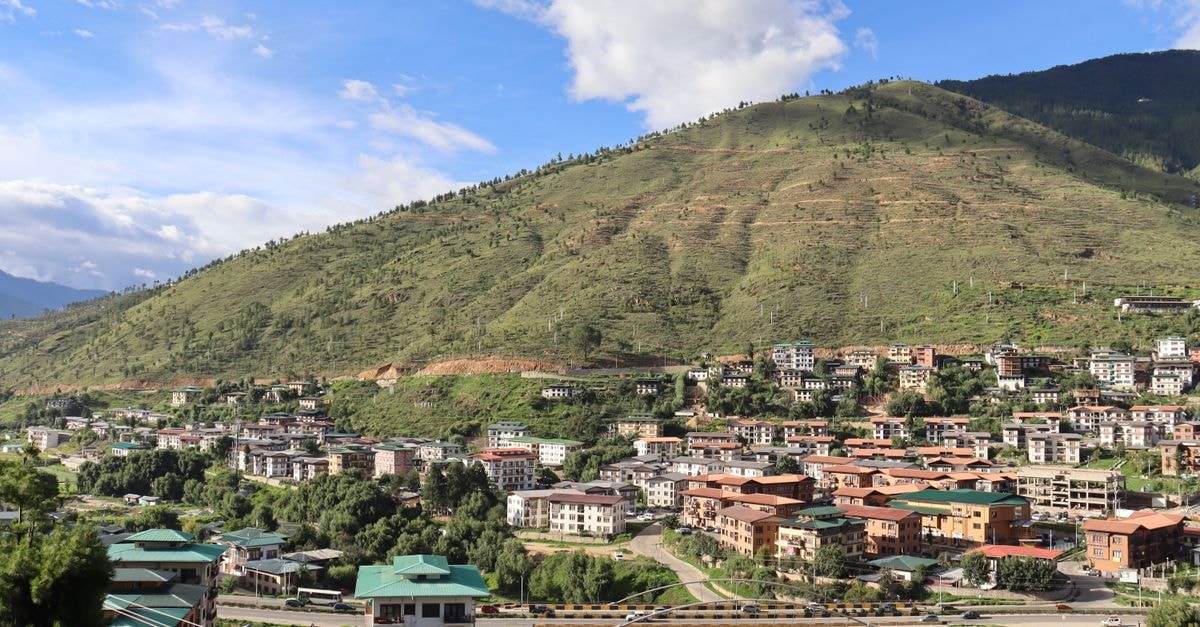
Thimphu sits in a river valley as the capital of Bhutan, and it reads at first glance like a small city that is still in conversation with its surroundings. The skyline stays low, the air carries a hint of pine, and most days the rhythm feels unhurried. That relaxed surface is part of the appeal for travelers who arrive tired from long overland journeys and want a base where they can simply absorb a place.
What makes Thimphu rewarding is the way national life shows up casually on the street. Government ministries share blocks with craft shops, schoolchildren in traditional dress walk past cafés, and the city's institutions often double as visitor experiences. Rather than rushing between landmarks, a gentle approach tends to suit the city best: walk, stop, watch, and let the day unfold.
Getting around
Understanding how Bhutanese roads work is essential before any move through Thimphu. The country relies heavily on road travel, and the Thimphu–Phuentsholing highway is recognized as the busiest road corridor and the primary trade link with India.
That single fact quietly shapes a lot of travel logistics. Most overland visitors enter Bhutan through the southern border near Phuentsholing and then climb the highway north toward Thimphu, which means the corridor carries both goods traffic and passenger movement. Long-distance travelers tend to use public buses for the journey, and private operators supplement the state-run Post Bus on the more profitable routes along this corridor.
For travelers based in Thimphu, the practical takeaway is simple. Plan intercity bus segments with the highway in mind, build generous buffers for delays, and treat the road itself as part of the experience rather than a neutral backdrop. Once in the city, walking remains the most rewarding way to absorb Thimphu's scale and character, with short taxi hops filling the gaps on steeper stretches.
Attractions and planning
Zorig Chusum is essentially the national academy for Bhutan's traditional arts and crafts. Watching students practice woodcarving, painting, embroidery, and sculpture in a working school setting gives visitors a window into how intangible heritage is being passed down. The school is less a museum and more an active studio, which means visits feel less staged and more like an introduction to the people behind the craft.
Beyond this anchor, the city rewards visitors who plan loosely. Because Thimphu's institutions tend to open on their own calendars rather than standard tourist timetables, leaving room for serendipity usually pays off. A relaxed morning, a cultural stop, a quiet café, and an evening stroll tend to add up to a more satisfying day than a tightly packed list.
Food and local context
Bhutanese cuisine is one of the most distinctive in the region, and a few signature dishes anchor any culinary introduction. Ema Datshi, a chili and cheese stew, is widely considered the national dish of Bhutan. It is famously pungent and often described in vivid terms, frequently captured by the idea that the mountains decided to burn your mouth.
This is country-level context that visitors are very likely to encounter while in Thimphu. Ema Datshi shows up on menus across the city and serves as a useful entry point into Bhutanese flavor profiles. For travelers trying it for the first time, it is wise to ask about the heat level, order a side of red rice, and approach the first bite as a cultural ritual rather than a casual snack.
A second dish worth knowing is Kewa Datshi, a potato and cheese variation that tends to feel slightly milder while still carrying the cheese-and-chili character of the wider cuisine. Travelers interested in tasting Kewa Datshi in a traditional setting have the option of visiting the Folk Heritage Museum Restaurant in Thimphu, which serves the dish with fresh local ingredients.
Taken together, Thimphu's food scene is small but expressive. Rather than chasing restaurant rankings, visitors do well to seek out places that lean into traditional menus, ask what is fresh that day, and treat each meal as a chance to learn how geography, faith, and farming shape the plate.
A practical mindset for the visit
A few habits tend to make a Thimphu trip smoother. Carry small amounts of cash, since card acceptance is not always guaranteed. Wear layers, because mountain weather can shift quickly within a single day. Respect photography norms around monasteries and government buildings, and always ask before pointing a camera at people or ceremonies.
Most importantly, slow the pace. Thimphu is a city that reveals itself to travelers who linger rather than to those racing through. A morning walk, a school visit, a shared meal, and an unhurried evening often turn into the most memorable part of a Bhutanese journey.
Final verification note
The guidance above reflects what is generally true about Thimphu and Bhutan. Factual travel conditions can change, and readers should check official channels and current advisories before departure to confirm transport schedules, opening hours, and entry requirements.
Share this article
TOOLS FOR THIS PLAN
Make the Thimphu plan measurable
Choose a tool only when it answers the next question in your trip. Your values stay in the browser, and each tool offers a route back to this planning context.